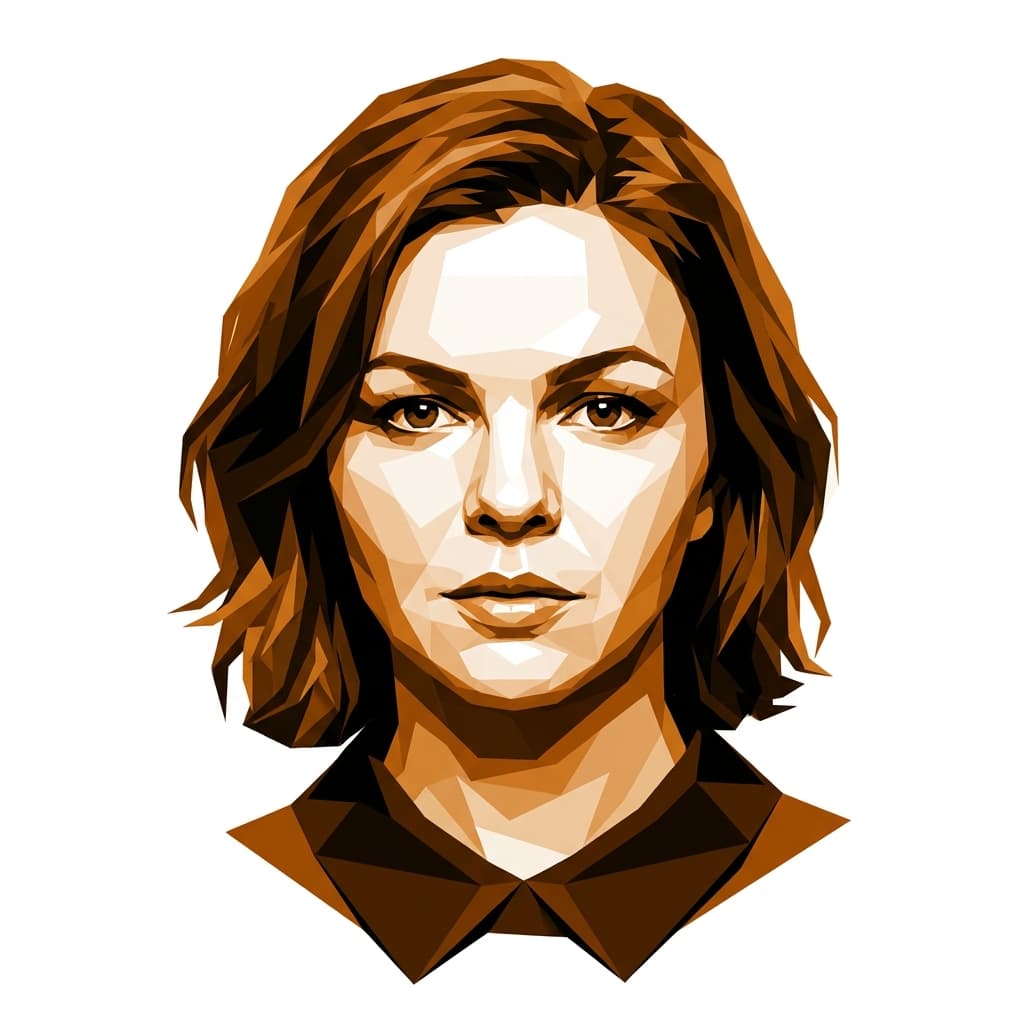
Amber Tamblyn
American actress, poet, and activist known for Joan of Arcadia, Sisterhood of the Traveling Pants, and Time's Up.
Design
- Q30.1
- h29.1
- R37.5
- g15.6
- i10.6
- S60.4
- T22.3
- U22.6
- V9.3
- W28.3
- X9.4
- Y10.1
- Z50.4
Personality
- Q23.5
- h43.5
- R35.4
- g12.3
- i11.3
- S23.2
- T52.2
- U8.5
- V9.3
- W50.4
- X9.3
- Y10.1
- Z50.2
Amber Tamblyn is a Manifesting Generator — built to chase several callings at once and refuse the pressure to pick just one. Actress, poet, novelist, director, essayist, activist: she has carried all of these simultaneously since her teens, and the through-line isn't any single craft but the speed and conviction with which she moves between them. The daughter of actor Russ Tamblyn, she grew up around Dennis Hopper and Neil Young, started auditioning at ten, and by eleven was playing Emily Quartermaine on General Hospital — a role she'd hold for six years while also publishing poetry in literary journals.
Her breakthrough as the title character in Joan of Arcadia in 2003 gave her exactly the kind of part a 5/1 profile tends to magnetize: a young woman positioned as a vessel for answers, expected to solve everyone's problems on screen and increasingly off it. She earned a Golden Globe nomination at twenty, then quietly used the platform to publish her first major poetry collection, Free Stallions. The pattern of disappearing to investigate, then returning with something fully formed became her signature — film roles in The Sisterhood of the Traveling Pants and 127 Hours alternating with years of literary work most of Hollywood didn't know she was doing.
Tamblyn writes about her decisions with unusual candor about timing — when to speak, when to wait, when to let an emotional charge pass before committing words to paper. Her 2017 New York Times op-ed responding to James Woods, and her Times essay "I'm Done With Not Being Believed," landed with the unmistakable force of words held back until the exact right moment. She co-founded Time's Up alongside Reese Witherspoon and America Ferrera, channeling years of accumulated observation into the kind of clarity that only arrives after sitting with something.
Her creative range refuses tidy categorization. Dark Sparkler, her 2015 collection of poems about dead actresses, took her years of research into the lives and ends of women like Brittany Murphy and Marilyn Monroe — taking complex material and distilling it into something readers could actually feel. She directed her first feature, Paint It Black, in 2016, then wrote the novel Any Man (2018) from multiple narrator voices about male sexual assault survivors — drawn to the hard questions and the experiences that test what a person is willing to fight for. She doesn't soften the material.
What threads her work together is a refusal to wait for permission to pivot. She moved from soap acting to prestige television to poetry to essay collection (Era of Ignition) to motherhood writing without apologizing for the turns. Friends describe her as fiercely loyal — the person who holds her people and her chosen communities together — and her marriage to David Cross, her organizing with women writers, and her mentorship of younger poets all bear that out. She follows what genuinely lights her up rather than what the industry expects next, and the result is a career that looks less like a ladder and more like a deliberate embrace of variety and extremes — exactly the shape a life takes when someone stops pretending to be only one thing.