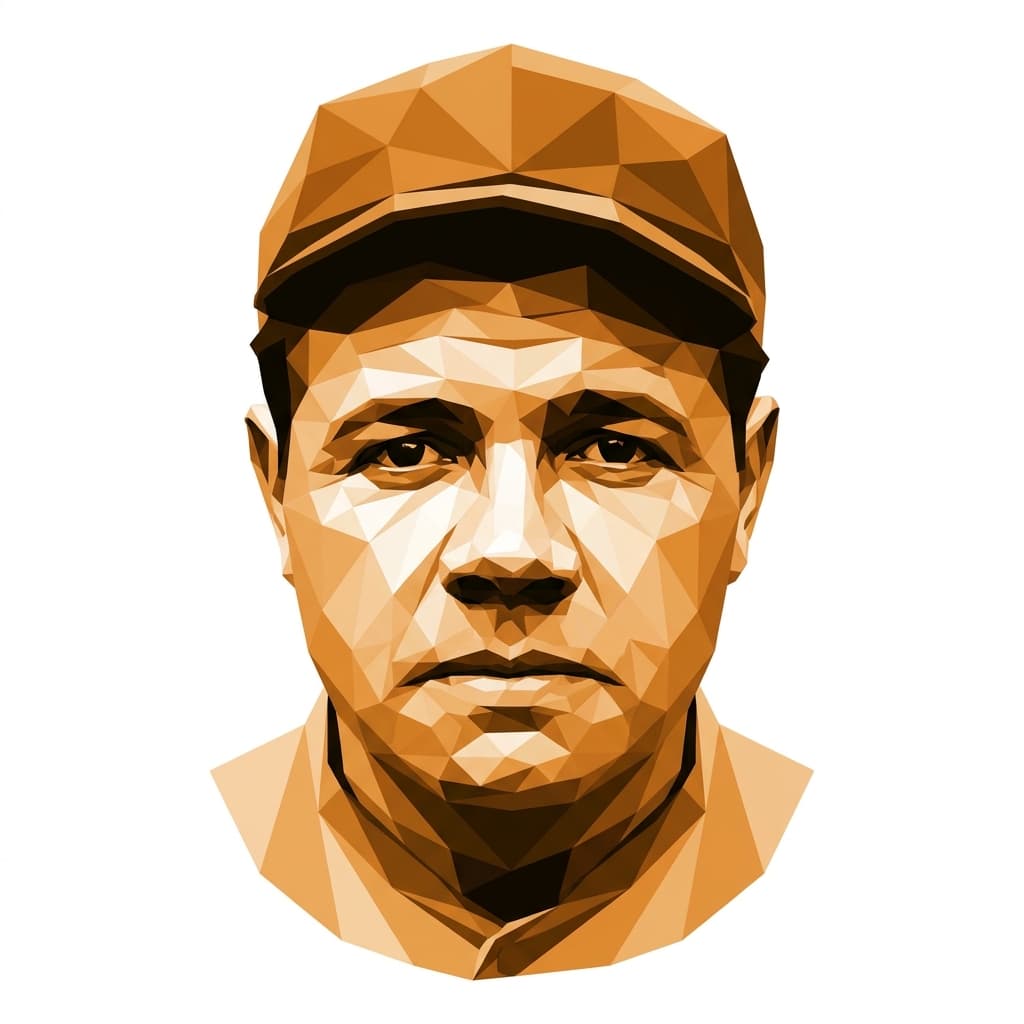
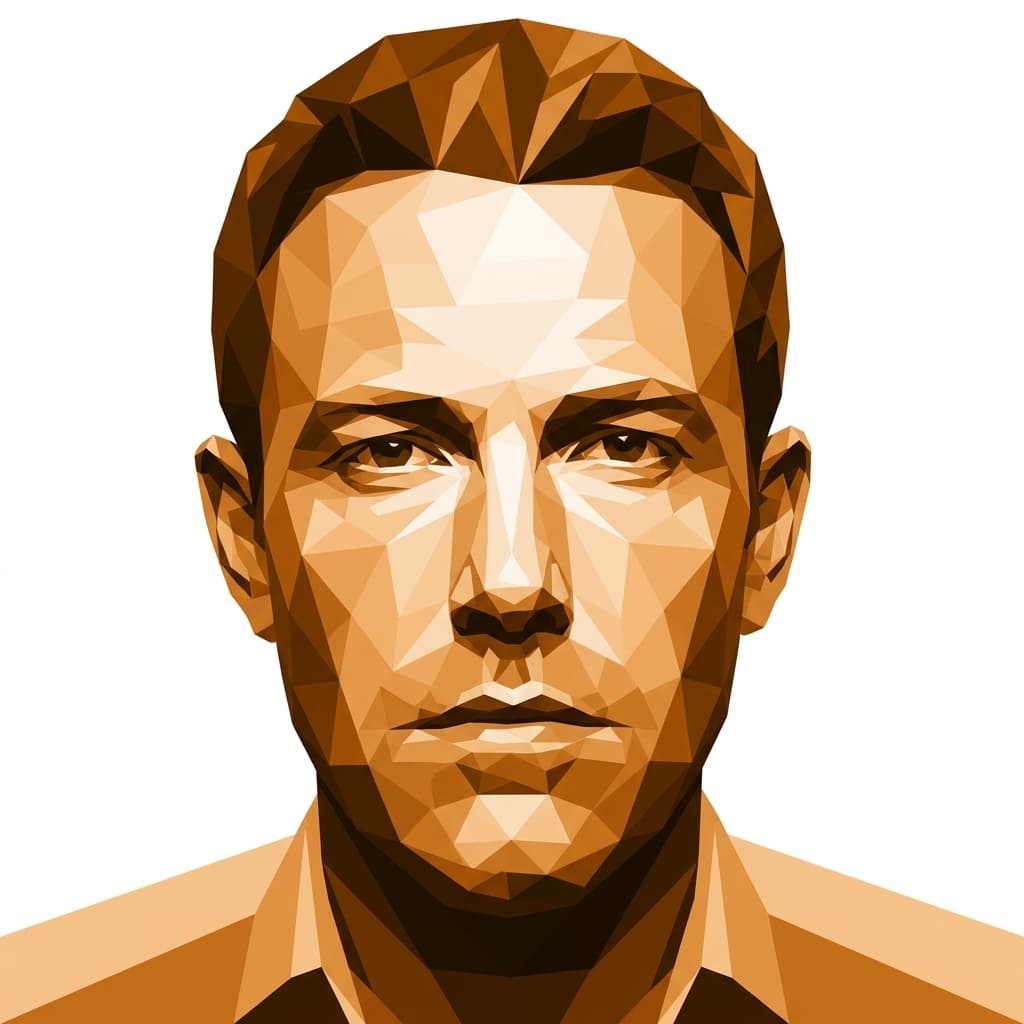
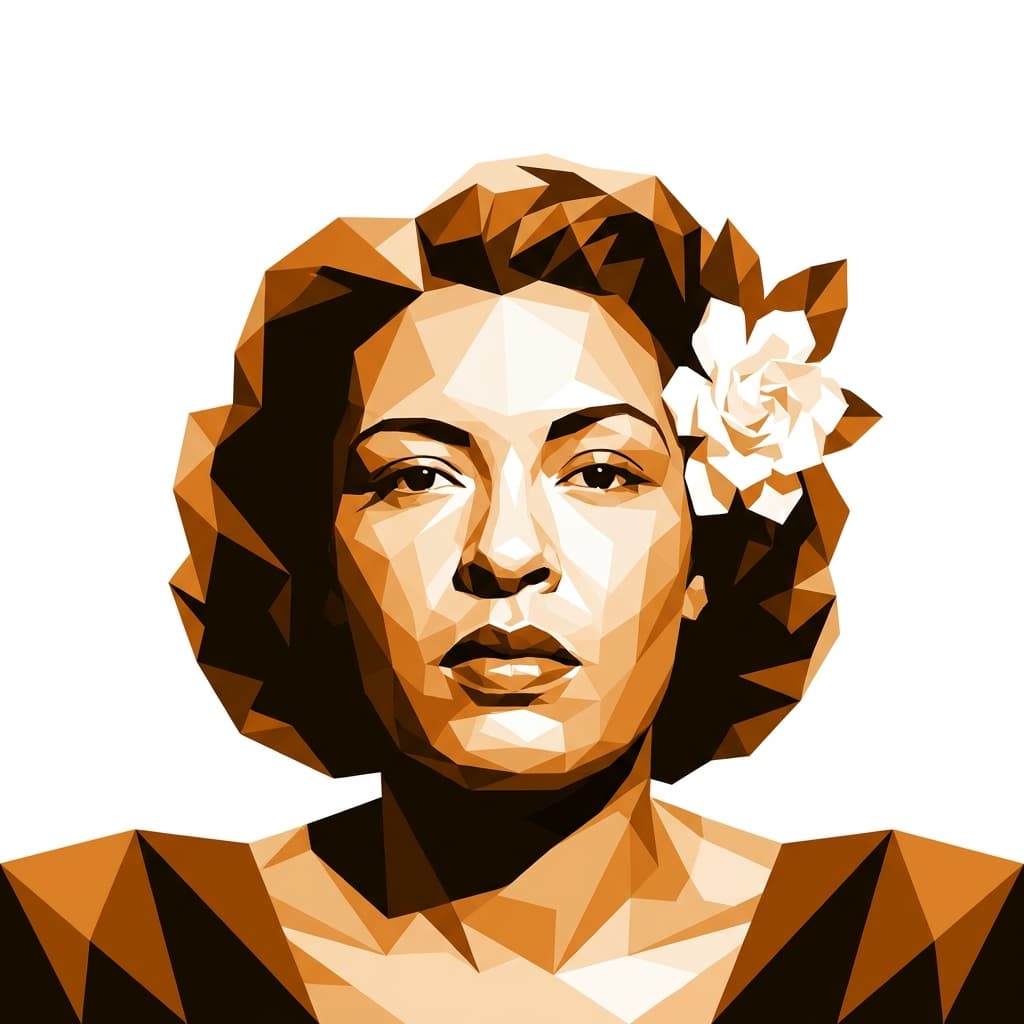
Actress, producer, and talk show host who turned a chaotic Hollywood childhood into reinvention.
Design
- Q34.6
- h20.6
- R2.5
- g9.5
- i16.5
- S43.6
- T9.6
- U43.3
- V37.4
- W53.4
- X50.5
- Y9.4
- Z18.6
Personality
- Q55.4
- h59.4
- R53.4
- g9.1
- i16.1
- S19.3
- T25.2
- U61.4
- V36.2
- W39.3
- X28.1
- Y5.1
- Z18.6
Drew Barrymore is a Manifesting Generator — built for multiple passions and non-linear pivots, which is basically the structural diagram of her career. She was on screen at eleven months old, a household name by seven after E.T., in rehab by thirteen, legally emancipated at fifteen, and running her own production company by her mid-twenties. Most people would call that chaos. For her, it reads more like a person following the gut yes wherever it pulled, even when the next thing looked nothing like the last.
Her 4/6 profile — the community-rooted role model whose first act is messy experimentation — fits the Barrymore arc almost too neatly. The tabloid years, the Saturday Night Live hosting at seven, the autobiography at fourteen, the bottoming out and climbing back: she has openly described that period as her training ground rather than a thing to be ashamed of, the shocks that built whatever steadiness she now carries. By her thirties she'd quietly become the warm, slightly goofy figure other women in the industry trusted, the friend everyone seemed to actually have.
Flower Films, the production company she started with Nancy Juvonen in 1995, is where her Manifesting Generator instinct to start things and get them moving is most visible. Never Been Kissed, Charlie's Angels, 50 First Dates, Donnie Darko — she developed, produced, and often starred, building a slate around projects that genuinely lit her up rather than chasing prestige. She has talked about reading scripts and waiting to feel the pull in her body, the kind of decision that needs to sit overnight before she trusts it. The ones she forced rarely worked. The ones she waited on tended to.
The Drew Barrymore Show, launched in 2020, is where her chart's social wiring lives in public. The hugging, the crying, the leaning across the desk, the unguarded reactions — it's a daytime format built around her instinct for what guests and audiences actually need in the moment and a warmth that treats the crew and the viewer as the same community. Critics initially called it too much; the audience, which is the only metric that matters in daytime, made it a hit. She speaks whatever is true right now, often before her own filter catches up, which is a liability in some rooms and the whole product in hers.
What's striking, watching her over four decades, is how openly she carries the emotional weather. She cries on her own show. She has written two memoirs about depression, addiction, motherhood, and divorce, processing in public what most celebrities scrub from their press. That's the wave she rides instead of pretending isn't there, paired with a creative life that runs on feeling rather than strategy. She has spent stretches off-screen — beauty company, wine label, magazine, books, garden — and come back with a new direction that seemed obvious only after she made it. Niching down was never going to be the move.
Sources: biography · birth data
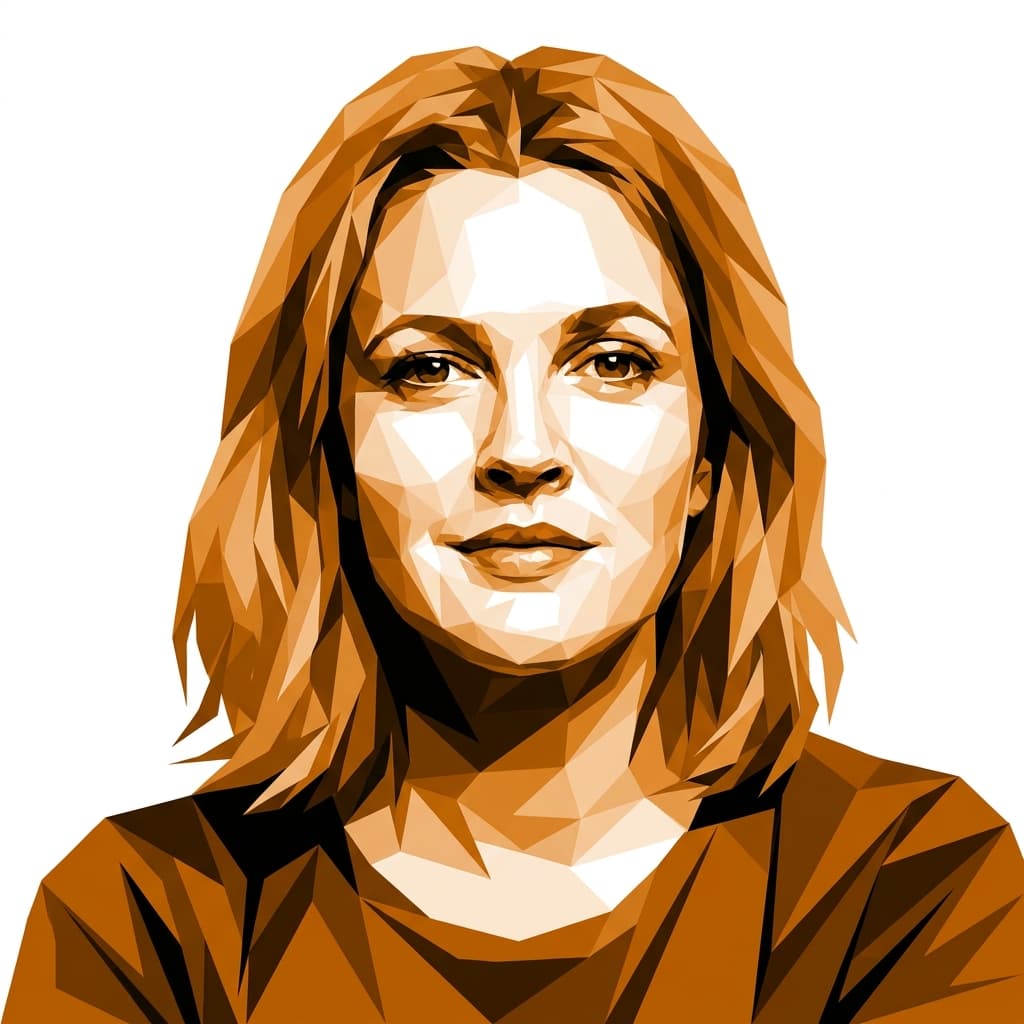
What do you and Drew Barrymore have in common?
Enter your birth details to find out