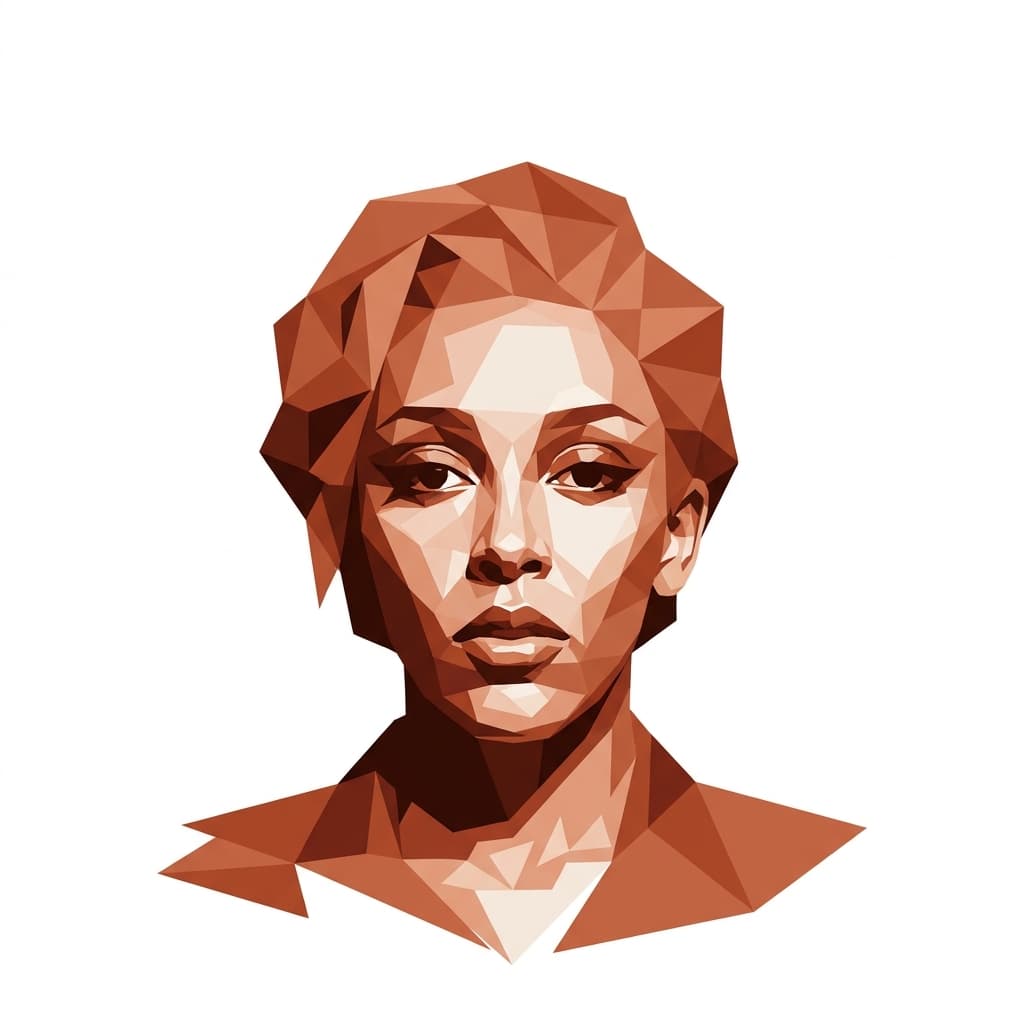
Television icon, media mogul, and cultural force who built an empire on intimate conversation.
Design
- Q44.4
- h24.4
- R18.4
- g60.2
- i56.2
- S34.1
- T57.6
- U46.4
- V12.4
- W50.6
- X62.3
- Y32.4
- Z29.1
Personality
- Q19.2
- h33.2
- R34.5
- g61.4
- i62.4
- S49.1
- T19.2
- U43.6
- V35.6
- W44.2
- X53.6
- Y32.6
- Z4.6
Oprah Winfrey is a Generator — built for sustained, masterful work in a field she could grow into for decades, with the stamina to host nearly 4,600 episodes of a single television show without losing the thread of why she started. Born into rural poverty in Mississippi and raised between her grandmother's farm, her mother's Milwaukee apartment, and her father's Nashville home, she learned early to read a room, recite scripture, and survive what she shouldn't have had to. By nineteen she was co-anchoring the evening news in Nashville. By thirty-two her daytime talk show had gone national. The arc looks like ambition, but watch closely and it looks more like responding to what kept showing up — a local morning show in Baltimore, a failing Chicago program nobody else wanted, a small role in The Color Purple she didn't audition for so much as ache toward.
Her 2/4 profile is everywhere in the way she works: famously private, retreating to her Montecito property to read and walk and think, and then re-emerging to a network of relationships — Gayle, Maya Angelou, Stedman, the producers and book club authors and spiritual teachers — through which essentially every opportunity of her career has flowed. She doesn't cold-call the culture. The culture is already her community. When she endorsed Barack Obama in 2007, when she handed the Golden Globes audience a speech about Recy Taylor in 2018, the reach was already built into the room.
On air she did something nobody else was doing in daytime: she cried, she waited, she let silence sit. That's an instinct for when to speak and when to hold back paired with a voice that carries the weight of what it's witnessed. Her interviewing gift wasn't research-driven precision — it was emotional timing, the ability to ask one slow question and then let the guest fall into it. She also famously sleeps on big decisions, takes weekends to think, calls Gayle, calls her gut. That's the emotional authority of someone who learned the hard way that decisions made in the heat of a feeling — a rushed yes to a project, an impulsive on-air promise — come back to cost you.
The business decisions tell a different story. Launching Harpo. Buying the rights to her own show in 1988 when no female host owned her syndication. Walking away from the daytime ratings throne in 2011 to start OWN, watching it nearly fail, and then rebuilding it. That's a nose for what will last versus what won't, combined with the energy to stay committed long past the point most people would quit. She has talked openly about her fear of failure during OWN's early years; she has also talked about how she refused to let that fear make the call.
The work itself — Book Club, the school in South Africa, the giveaways, the master class conversations — runs on a deep attunement to what people need before they name it and a refusal to separate her values from her business. Her stories — the abuse, the weight, the pregnancy at fourteen, the grandmother's switch — are offered as lived material shaped into something useful for someone else, never quite as confession. She built an empire by sitting in a chair and listening, then telling it back in a way that made the listener feel found.
Sources: biography · birth data
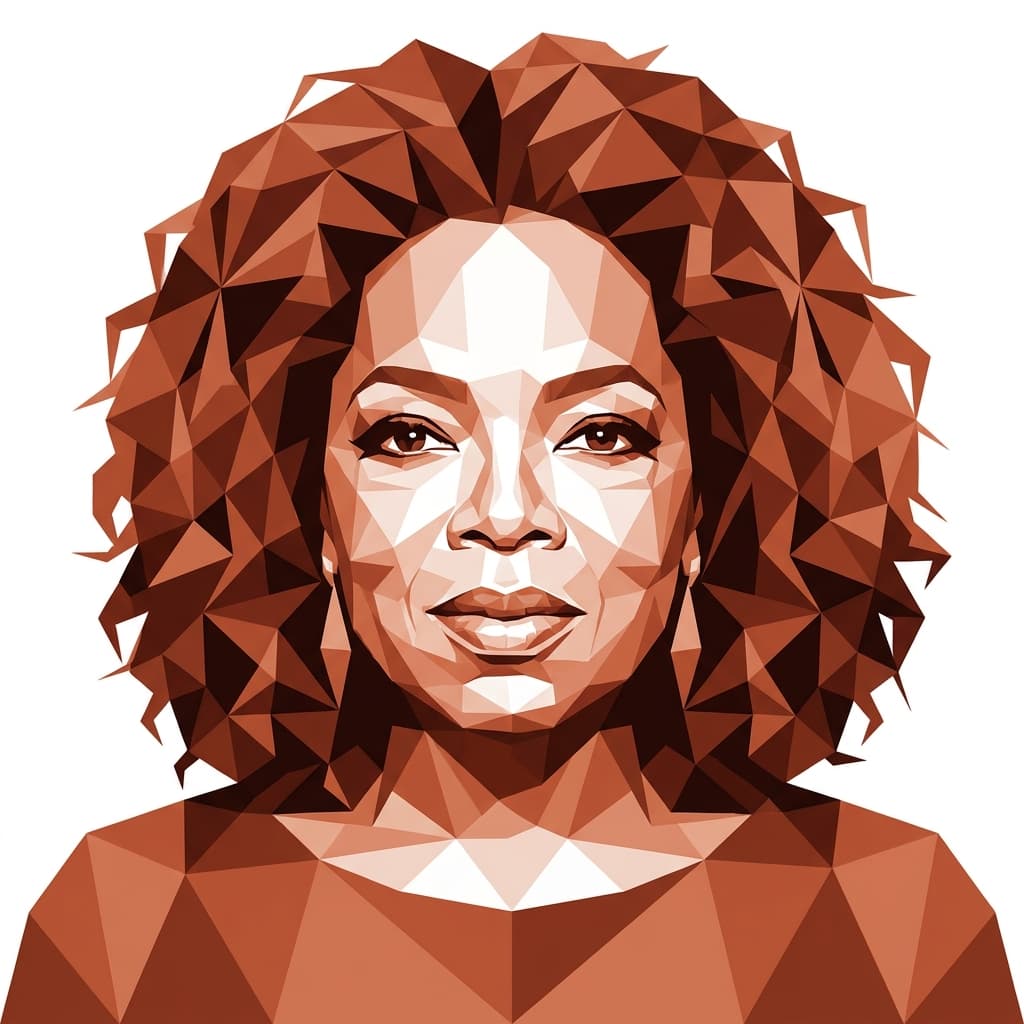
What do you and Oprah Winfrey have in common?
Enter your birth details to find out