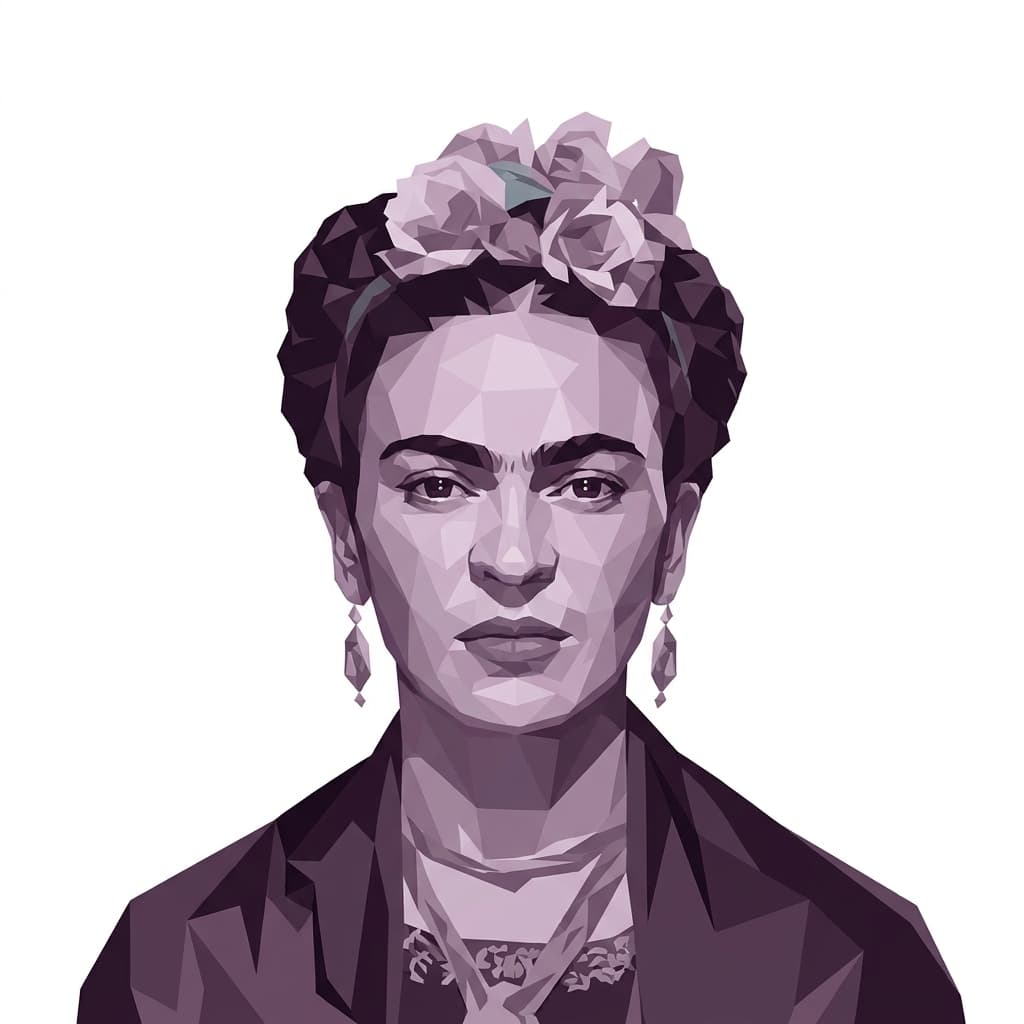
American actress known for Brat Pack films, indie breakthroughs like High Art, and a candid memoir.
Design
- Q36.2
- h6.2
- R39.6
- g7.5
- i13.5
- S30.6
- T17.2
- U55.3
- V30.4
- W19.1
- X29.4
- Y1.1
- Z40.3
Personality
- Q45.6
- h26.6
- R50.1
- g33.3
- i19.3
- S35.2
- T62.6
- U24.5
- V63.1
- W19.4
- X29.3
- Y44.4
- Z40.3
Ally Sheedy is a Manifestor — wired to initiate on impulse, disappear to recharge, and then reemerge with something nobody saw coming. Her career has moved in exactly those bursts: a run of defining 1980s roles, a long stretch of retreat, then a mid-career indie reinvention that reset how audiences saw her entirely.
She was writing early — her children's book She Was Nice to Mice was published when she was twelve — and by her early twenties she was starring in WarGames, The Breakfast Club, and St. Elmo's Fire back to back. In The Breakfast Club especially, she made Allison Reynolds strange in a way that felt lived-in rather than performed: the kid on the edge of the frame, watching everyone, drawing out confessions no one meant to make. It was a Brat Pack moment, but she never quite belonged to the pack the way the marketing suggested. She was already the one stepping back to watch the room, a 6/2 quietly cataloging what she saw.
Then came the retreat. Through much of the '90s she worked less visibly, dealt publicly with addiction and an eating disorder, wrote poetry, and eventually published Yesterday I Saw the Sun. Friends and interviewers described a period of real solitude — the kind that looks like disappearance from the outside but is actually integration. When she returned in 1998 with Lisa Cholodenko's High Art, playing a burned-out heroin-addicted photographer named Lucy Berliner, it wasn't a comeback so much as a reintroduction. She won the Independent Spirit Award and a raft of critics' prizes, and the performance carried the emotional weight of someone who'd actually been through it rather than someone acting it.
Her decision-making, by her own account in interviews, has never been fast. She has talked about needing to sit with scripts, needing time before saying yes, walking away from projects that felt right in the room and wrong the next morning — the classic pattern of clarity that only arrives after the wave passes. It's cost her jobs and probably spared her worse ones. When she has committed, though — to High Art, to years of stage work, to teaching acting at CUNY — she has committed fully, the kind of yes that sees the whole thing through.
She has also been unmistakably willing to provoke a conversation nobody was quite ready to have. Her 2022 memoir with her daughter Rebecca, and years of frank public discussion about the Brat Pack era, Hollywood's treatment of young women, and her own recovery, have made her a reliable truth-teller in a town that prefers tidy narratives. She says what needs saying and then goes quiet again, informing rather than explaining.
What emerges over the arc is a working artist who never optimized for constant visibility, who protected the things she actually valued — writing, teaching, her daughter, sobriety — and whose second and third acts have been quieter but far more her own than the first.
Sources: biography · birth data
What do you and Ally Sheedy have in common?
Enter your birth details to find out