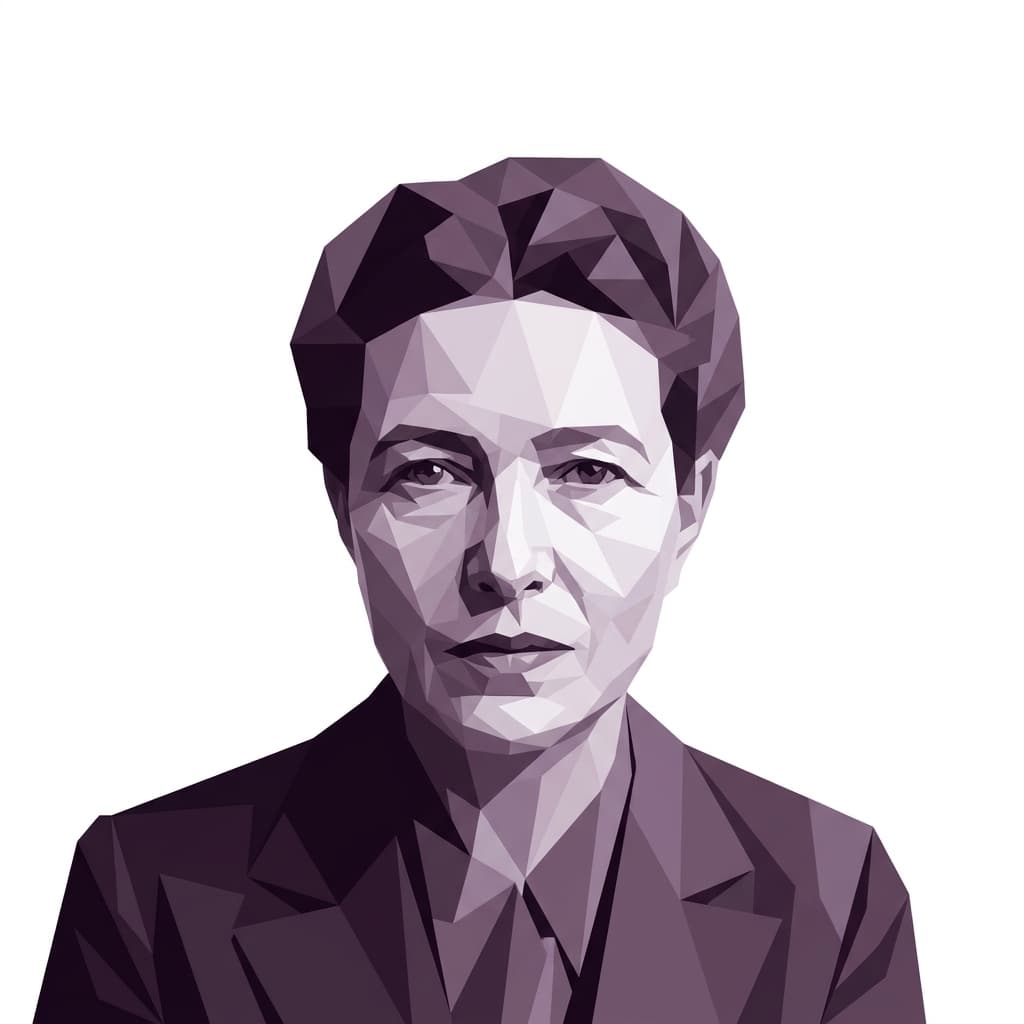
American filmmaker known for intense, uncompromising psychological dramas like Requiem for a Dream, Black Swan, and Mother!
Design
- Q14.2
- h8.2
- R32.3
- g17.6
- i18.6
- S1.2
- T10.6
- U18.2
- V46.3
- W51.5
- X46.5
- Y14.2
- Z6.3
Personality
- Q49.6
- h4.6
- R11.6
- g25.3
- i46.3
- S60.5
- T21.1
- U43.6
- V18.2
- W42.1
- X46.6
- Y14.5
- Z6.3
Darren Aronofsky is a Manifestor — the kind of director who doesn't wait for permission to make the movie no one else would greenlight, and whose entire filmography is a record of him initiating projects the industry wasn't ready for. He grew up in Brooklyn, studied social anthropology at Harvard, and shot his debut feature Pi for about $60,000 raised in $100 chunks from friends and family. That he finished it at all is a Manifestor story; that it won him the directing prize at Sundance in 1998 and launched a career is the aftermath.
His films share a signature: a protagonist pushed past the edge, often in service of a vision no one around them can see. Requiem for a Dream, The Wrestler, Black Swan, mother!, The Whale — each one is a study in obsession that could only be made by someone with the kind of heart-driven commitment that only works when you actually want it. Aronofsky has been open about turning down big studio projects (he was attached to Batman and The Wolverine before walking away) because the deal, or the material, didn't move him. He initiates boldly and tells people where he's going, but he won't fake enthusiasm for a paycheck.
The 6/2 profile — the role model who needs long stretches of solitude — tracks across his process. He's famous for disappearing into years of research: he and Hugh Jackman developed The Fountain for the better part of a decade, and Noah grew out of a poem he wrote as a thirteen-year-old. He emerges with something fully formed, often strange, and lets the work argue for itself. His earlier chaotic years — the micro-budget hustle, the collapsed first version of The Fountain when Brad Pitt walked — were the messy experiments that built the authority he carries now.
What makes an Aronofsky film an Aronofsky film is a willingness to shock the audience out of comfortable viewing habits paired with a critic's eye for what's rotten in a system — addiction, celebrity, body image, religious myth, environmental collapse. mother! was marketed as a thriller and turned out to be a biblical allegory that earned a rare F CinemaScore; he defended it unapologetically. The Whale took a premise most directors would flinch from and insisted on its tenderness. He trusts the knowing that arrives before he can explain it, then builds the logical architecture to defend it afterward.
He's drawn to stories about people who can't stop chasing a vision — the mathematician in Pi, the ballerina in Black Swan, the wrestler who can only be himself in the ring — and the price that chasing exacts. There's a moral conviction underneath the provocations, visible in his environmental activism and the documentary work he's produced on climate and conservation. He's also a tastemaker who spots talent before the industry does: Jennifer Lawrence pre-Hunger Games fame in mother!, Mickey Rourke's comeback in The Wrestler, Brendan Fraser's resurrection in The Whale.
Aronofsky is a director who works best inside tight constraints — small budgets, confined locations, rigorous visual rules — and who has made his name by refusing to make the same film twice. The through-line isn't genre or style. It's the Manifestor's insistence on going first.
Sources: biography · birth data
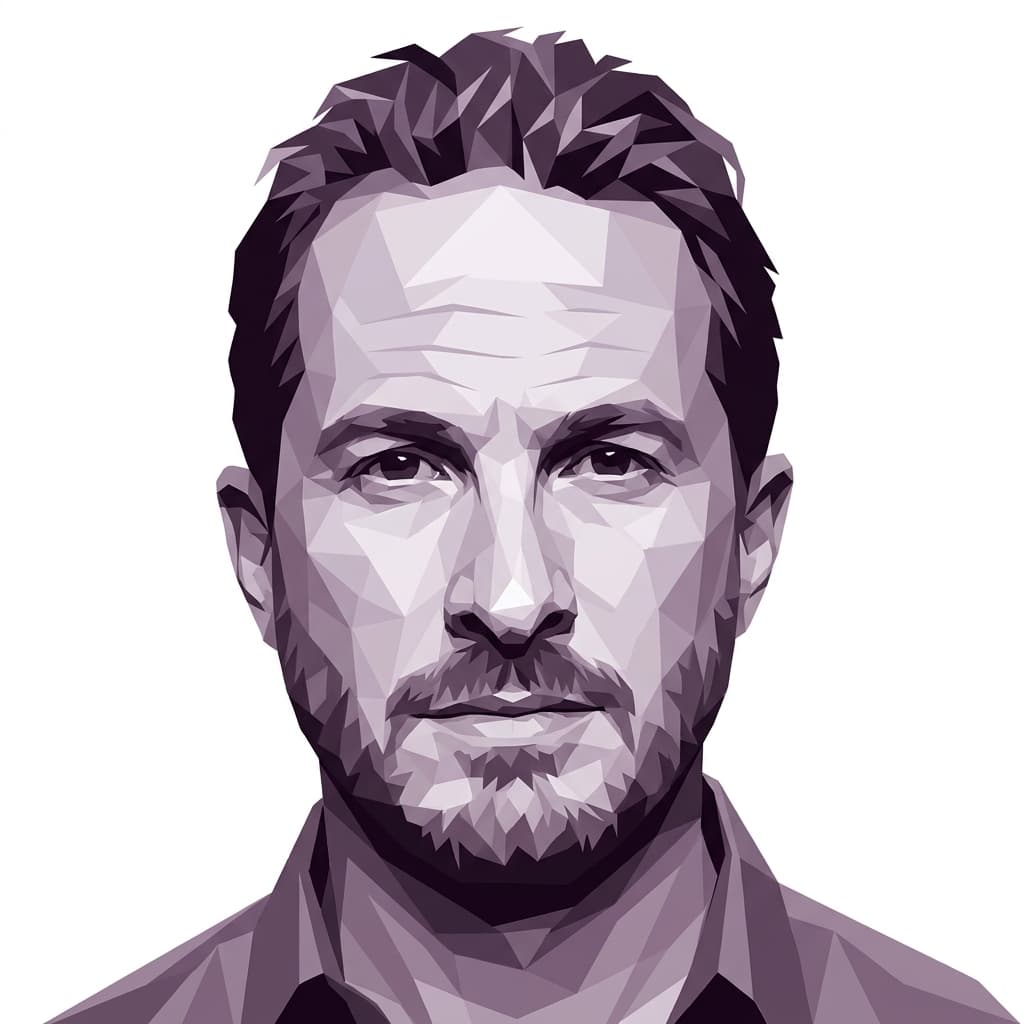
What do you and Darren Aronofsky have in common?
Enter your birth details to find out