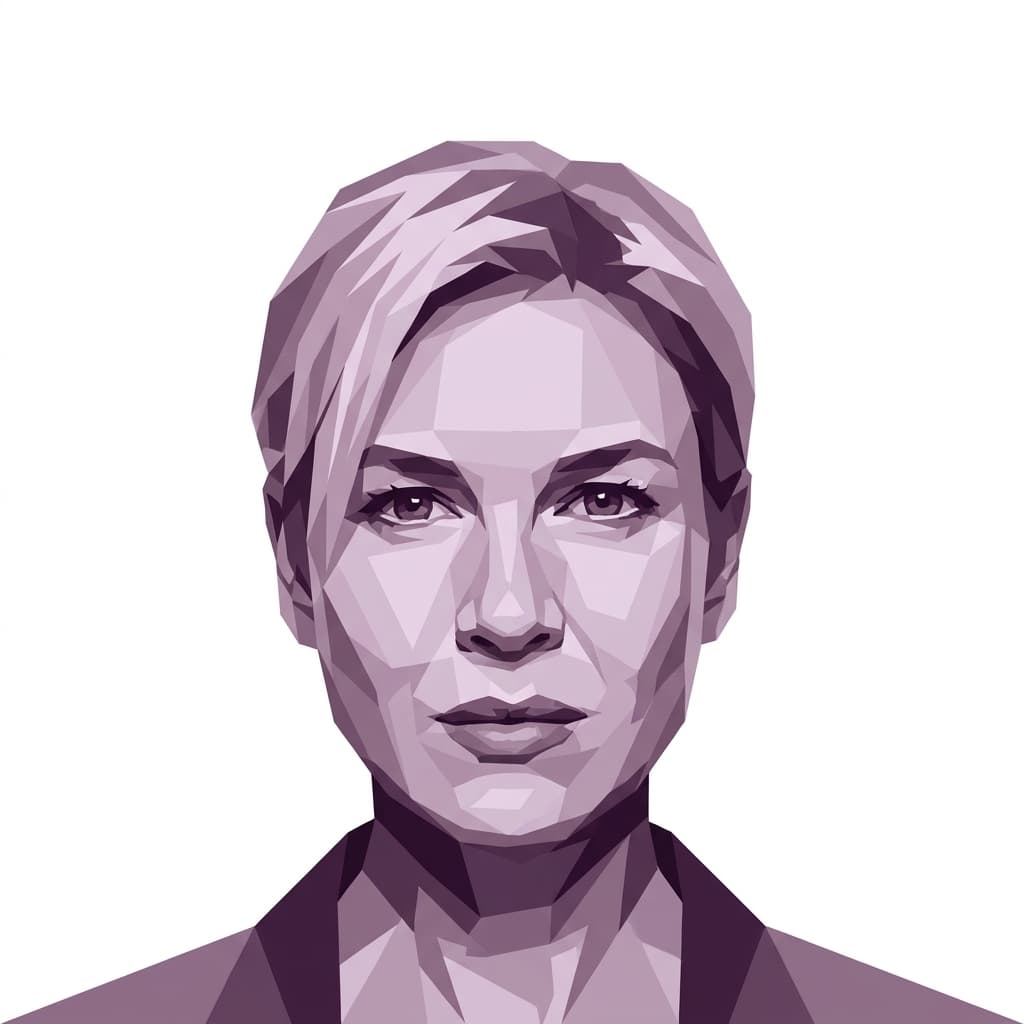
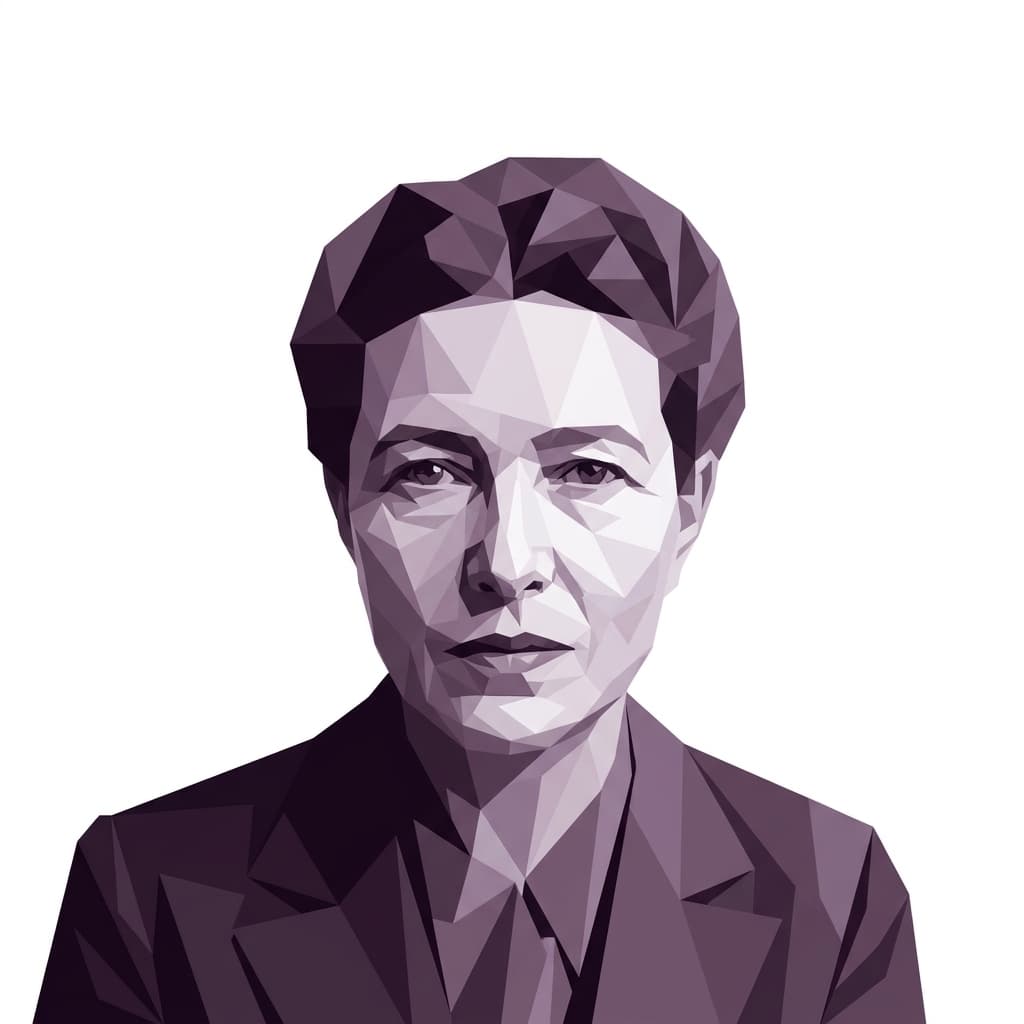
Hollywood's hardest-working actress, equally at home in screwball comedy, melodrama, and film noir.
Design
- Q42.5
- h32.5
- R20.2
- g56.2
- i60.2
- S36.6
- T63.6
- U58.3
- V52.1
- W22.6
- X38.4
- Y39.1
- Z45.6
Personality
- Q62.3
- h61.3
- R46.1
- g62.3
- i61.3
- S31.5
- T52.3
- U38.2
- V62.3
- W36.6
- X38.1
- Y39.4
- Z12.2
Barbara Stanwyck was a Manifestor — built to move first, work alone, and let the industry catch up to her — and her career is almost comically evidence of this. Orphaned at four, passed between foster homes in Brooklyn, she was dancing in Ziegfeld chorus lines by fifteen and a Broadway lead by nineteen. She signed no long-term studio contract for most of her peak years, freelancing across Warner Bros., Paramount, RKO, Columbia, and MGM at a time when almost no star dared. She picked her own scripts, named her own price, and showed up knowing everyone else's lines.
Her 3/5 wiring showed early. A 3/5 profile learns by doing and gets handed other people's problems, and Stanwyck's early career was a string of rough pictures she treated as paid tuition. By the time Frank Capra cast her in Ladies of Leisure (1930), she had already absorbed what didn't work by living through it, and she brought a lived-in realism to the screen that her more theatrically-trained contemporaries couldn't fake. Capra said she gave her best performance on the first take; after that she was reciting. That meant he, and later Preston Sturges and Billy Wilder, had to be ready when she was.
She was famously decisive on set — crew-first, no diva behavior, there at dawn with her lines down cold — but her biggest career decisions she sat on. Choosing Double Indemnity meant playing the first unredeemable woman in major studio history, and she wavered for weeks before saying yes. That's the hallmark of an emotional authority riding the wave until the answer settles. Wilder had to wait her out. When she finally committed, she showed up in a cheap blonde wig and ankle bracelet and created Phyllis Dietrichson — a performance built on knowing exactly when to let the mask slip and the kind of provocation that pulls the truth out of a scene partner.
What made her a working-class folk hero in Hollywood was her nose for which projects would last and which were vanity. She turned down Gone with the Wind. She said yes to Stella Dallas, The Lady Eve, Meet John Doe, Ball of Fire, Sorry, Wrong Number. By 1944 she was the highest-paid woman in America, a fact she mentioned only when asked and only because she'd earned it. She was practical about money and generous with it — the clearest-eyed steward of her own resources in a town designed to separate stars from their earnings.
In her fifties, when film roles dried up, she simply initiated again, moving on without sentimentality once a cycle was complete. Scratch that — she pivoted to television, winning Emmys for The Barbara Stanwyck Show and The Big Valley, then surprising everyone with The Thorn Birds at seventy-five. She never remarried after Robert Taylor, kept to a small circle, and lived quietly in Beverly Hills. When the Academy finally gave her an honorary Oscar in 1982, she thanked her co-workers — the grips, the crews, "my golden hopes" — and walked off. The right words at exactly the right moment, delivered by someone who'd been waiting fifty years to say them.
Sources: biography · birth data
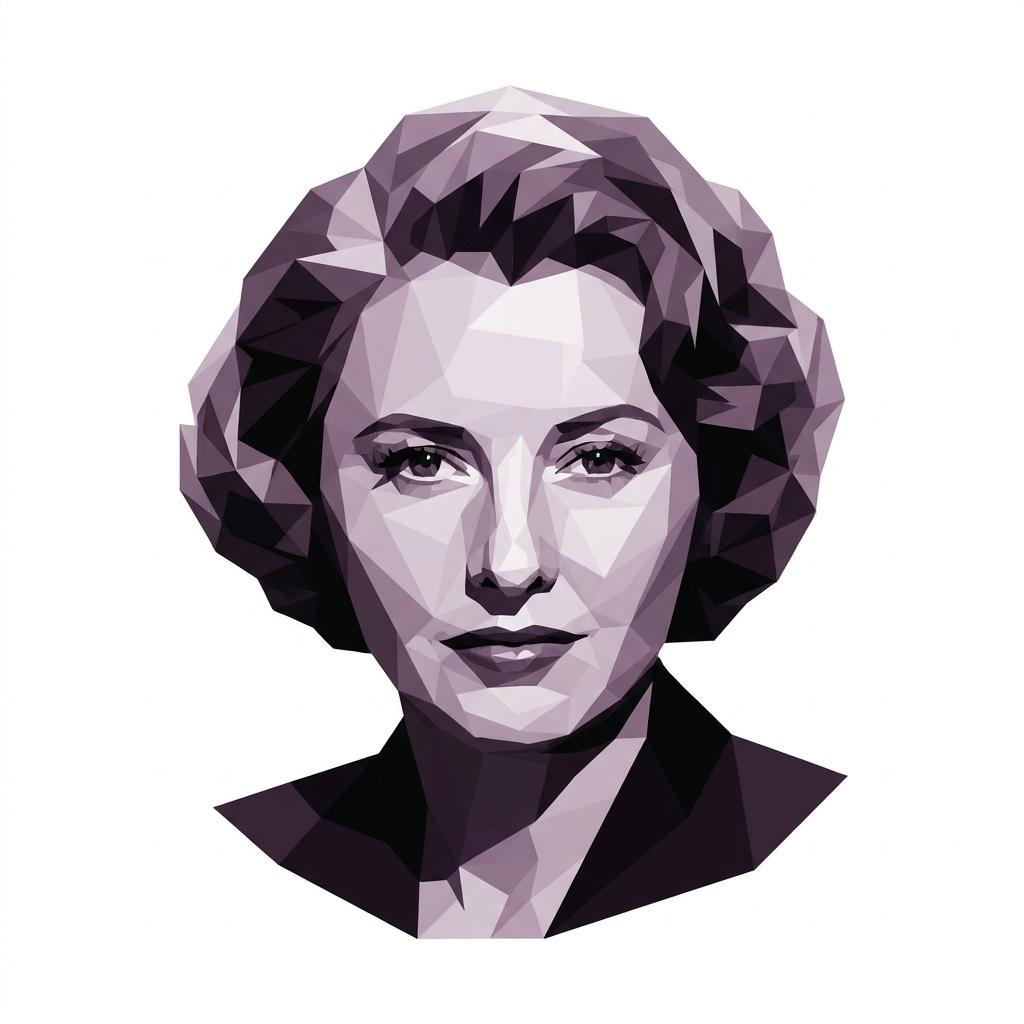
What do you and Barbara Stanwyck have in common?
Enter your birth details to find out