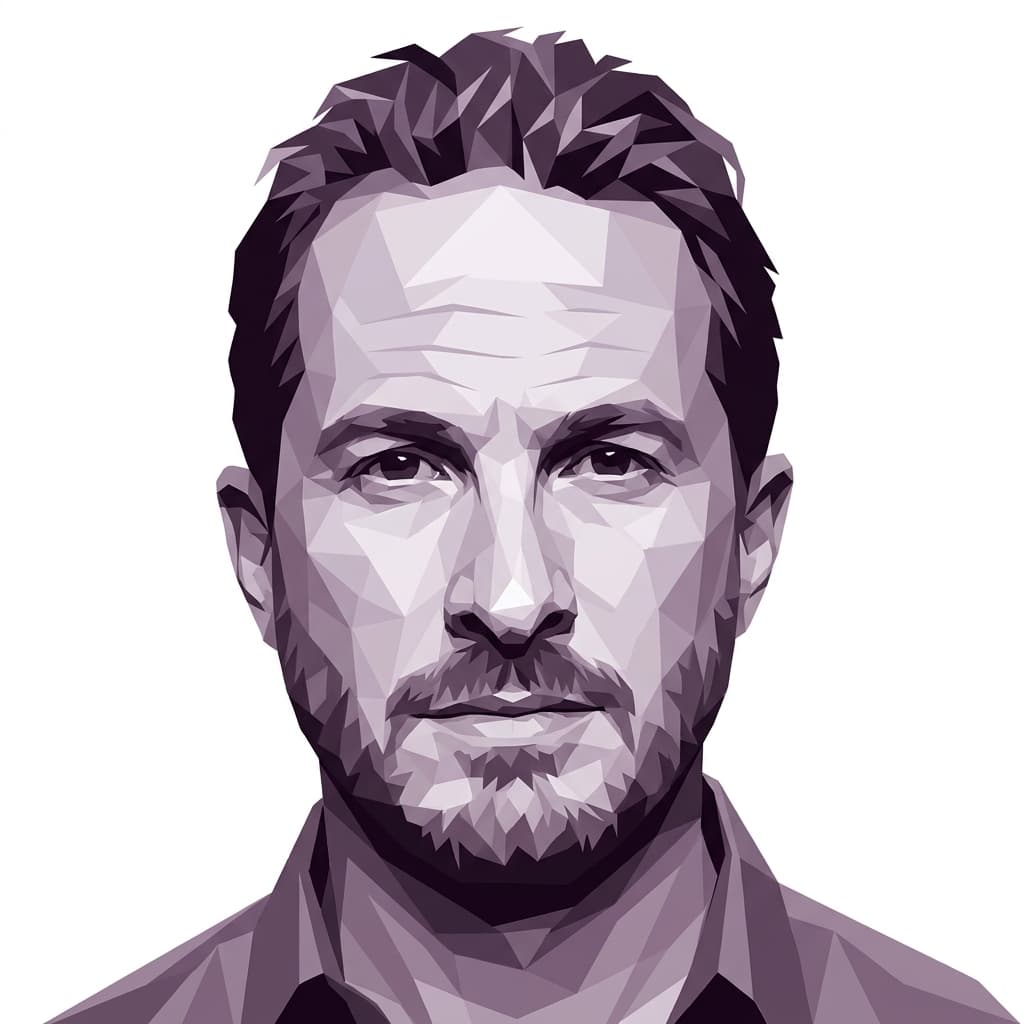
Two-time Oscar-winning Hollywood actress known for fierce independence, sharp tongue, and uncompromising screen presence.
Design
- Q54.3
- h53.3
- R17.1
- g39.6
- i38.6
- S38.6
- T13.4
- U25.1
- V33.4
- W22.6
- X38.4
- Y39.5
- Z12.1
Personality
- Q51.1
- h57.1
- R35.6
- g52.6
- i58.6
- S22.4
- T20.1
- U8.6
- V31.2
- W25.5
- X54.2
- Y39.3
- Z12.1
Bette Davis was a Manifestor — built to initiate, disrupt, and drag an entire industry somewhere it hadn't planned to go — and the shape of her career is essentially the shape of that impulse colliding with 1930s Hollywood. When Warner Bros. handed her weak scripts, she didn't sulk; she sued them. In 1936 she boarded a ship to England, broke her contract, and fought the studio in court. She lost the case and won the war: Warner started giving her real roles, and within three years she had two Oscars.
That fight wasn't a stunt. It was the willingness to pick a battle nobody thought she could win, fused with the pure nerve of being first through the door. Actresses did not sue their studios. Davis did, and every contract player who came after her benefited. She later co-founded the Hollywood Canteen and became the first woman to preside over the Academy — more of the same instinct to start the thing that didn't exist yet rather than wait for someone to offer her a seat.
Her 1/3 profile — the investigator who also learns by crashing into things — showed up in how she built performances. She researched obsessively, wore ugly makeup when the part called for it (the aging queen in The Private Lives of Elizabeth and Essex, the vicious Regina in The Little Foxes), and treated each film as an experiment she could learn from whether it worked or not. Four marriages, a famously combustible relationship with daughter B.D., a public feud with Joan Crawford on the set of Baby Jane — she lived trial and error as a working method, collecting scars and turning them into craft.
As an Emotional Authority, she was volatile in the moment and unerring over time. Colleagues described her as impossible on set — rewriting scenes, arguing with directors, provoking co-stars — and yet the performances that emerged, sifted through take after take, were the ones people still quote. That famous clipped diction, the cigarette punctuation, the way she could deliver "Fasten your seatbelts, it's going to be a bumpy night" and make it a thesis statement — all of it was words landing at the exact right beat, a voice that understood the power of saying the true thing out loud.
She lived her Strategy of initiating and informing more bluntly than most: she told people what she was going to do, then did it, and did not much care whether they liked it. It made her difficult. It also made her Bette Davis. She had the tastemaker's eye for a role nobody else wanted — Of Human Bondage, Jezebel, All About Eve — and an appetite for the unglamorous part, the shrew, the drunk, the faded star, always insisting these women deserved the same seriousness the men got.
By the end — through the stroke, the mastectomy, the estrangement from her daughter's tell-all book — she was still working, still smoking, still saying what she thought. "Old age," she told an interviewer, "ain't no place for sissies." It was wisdom offered with no interest in whether you were ready to hear it, which was, in the end, her entire method.
Sources: biography · birth data
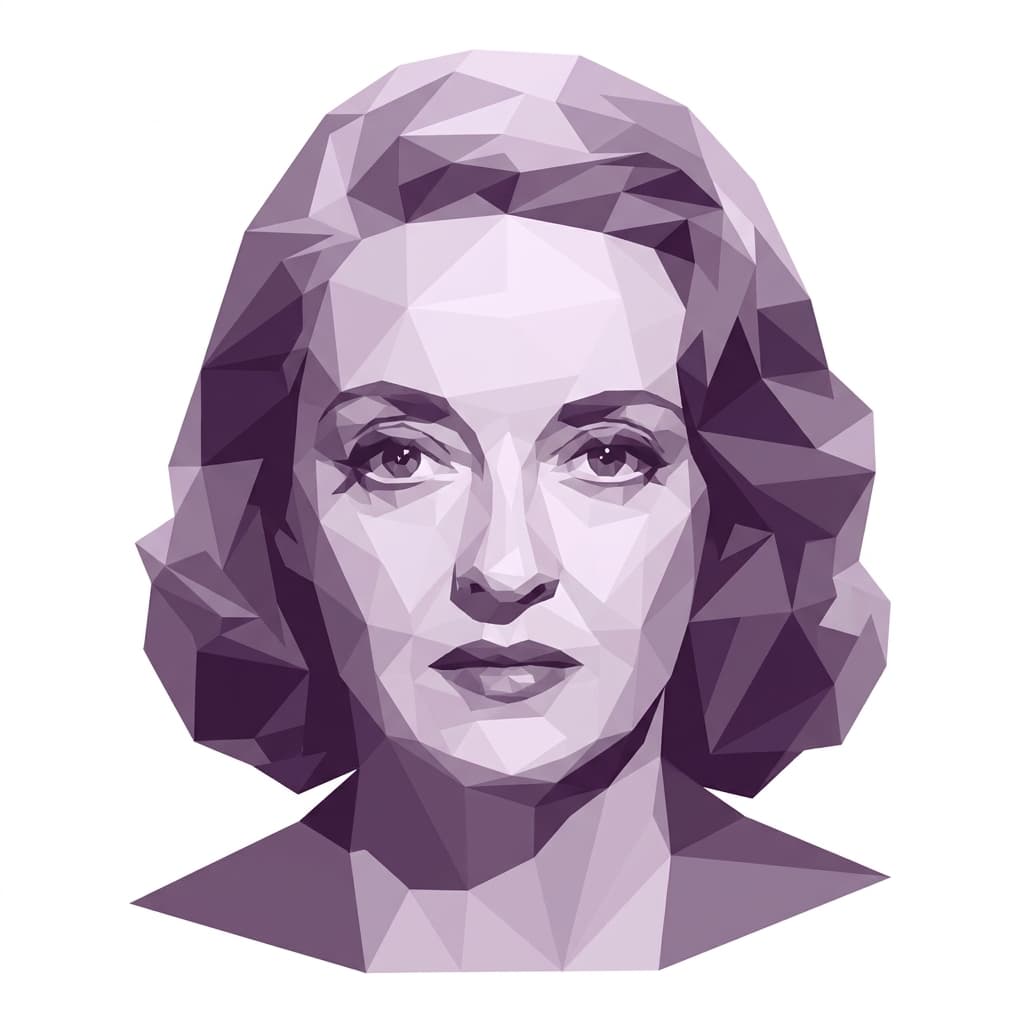
What do you and Bette Davis have in common?
Enter your birth details to find out