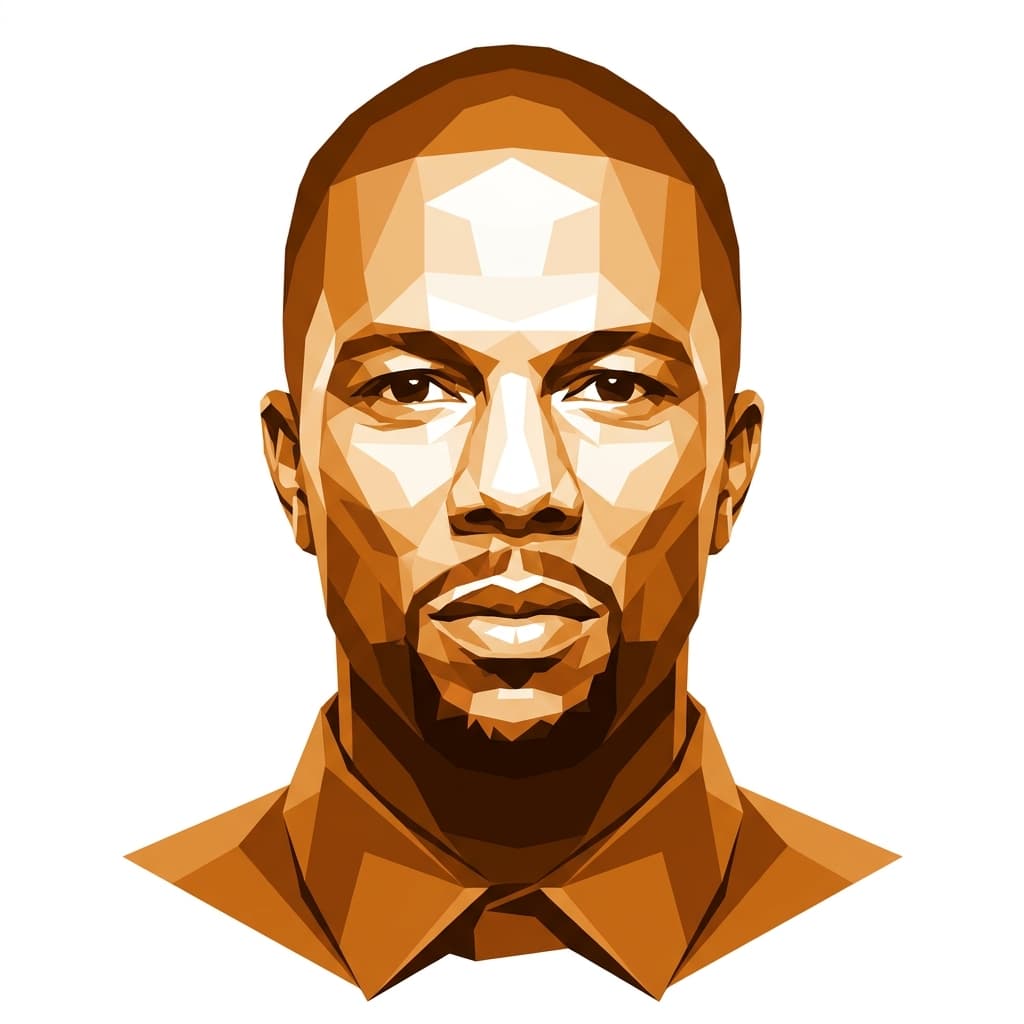
American late-night television host who redefined the talk show over three decades on NBC and CBS.
Design
- Q61.4
- h62.4
- R50.5
- g16.6
- i9.6
- S54.4
- T9.3
- U61.1
- V43.5
- W31.5
- X45.2
- Y48.2
- Z33.6
Personality
- Q42.2
- h32.2
- R38.1
- g20.4
- i34.4
- S36.3
- T63.4
- U25.3
- V14.2
- W31.1
- X45.2
- Y18.6
- Z33.4
David Letterman was a Manifesting Generator — wired to move fast, master a form, and then push against its edges — and the arc of late-night television in the 1980s and '90s is basically the arc of him doing exactly that. He started as an Indianapolis weatherman who congratulated tropical storms on being upgraded to hurricanes, got fired essentially for being too strange for the format, and then spent forty years turning that same strangeness into an institution.
His breakthrough came with Late Night in 1982, the 12:30 slot NBC handed him with a mandate not to imitate Carson. What he built instead was a laboratory: Stupid Pet Tricks, the Top Ten List, guys in Velcro suits, cameras strapped to monkeys. It was the work of someone with a critical eye trained relentlessly outward at the medium itself, poking at every convention of the talk show until it broke into something funnier. He was a natural student of the form, someone who understood the mechanics of a joke well enough to keep sharpening them for thirty-three years on the air.
The 1993 loss of The Tonight Show to Jay Leno was the defining rupture of his career, and it shaped everything after. He jumped to CBS, built Late Show into a hit, and carried the wound publicly for years — the kind of long grievance a person nurses when they know they were right. Colleagues describe him as an intensely private man in a job that demanded nightly performance, and his 2/4 profile — the natural who needs solitude to recharge but whose whole career depends on community — reads in every account of him disappearing to Montana between tapings, or driving home alone after the show without stopping to socialize.
On air he was famous for reacting to whatever was actually in front of him in the moment, abandoning prepared bits when a guest was interesting and stretching thin material when they weren't. That gut-level responsiveness — the kind of instant read that doesn't wait for the writers' meeting — was the engine of the show. His post-9/11 monologue on September 17, 2001, was the clearest example: no jokes at the top, just a man in a suit talking about New York, staying open-hearted in the middle of something impossible. It's still cited as the moment late-night television grew up.
His 2000 quintuple bypass and 2009 on-air confession of an extramarital affair both became fodder for the show itself — experiences he processed publicly, in front of the audience, once he'd sat with them long enough. He was never confessional in a warm way; he was confessional in the way a man who'd rather be alone finally decides to say the thing out loud. Since retiring in 2015 he's grown the beard, taken his Netflix show My Next Guest Needs No Introduction on his own schedule, and settled into the elder-statesman role he was always going to age into — inviting guests one at a time, in long form, asking the questions he actually wants answered.
Sources: biography · birth data
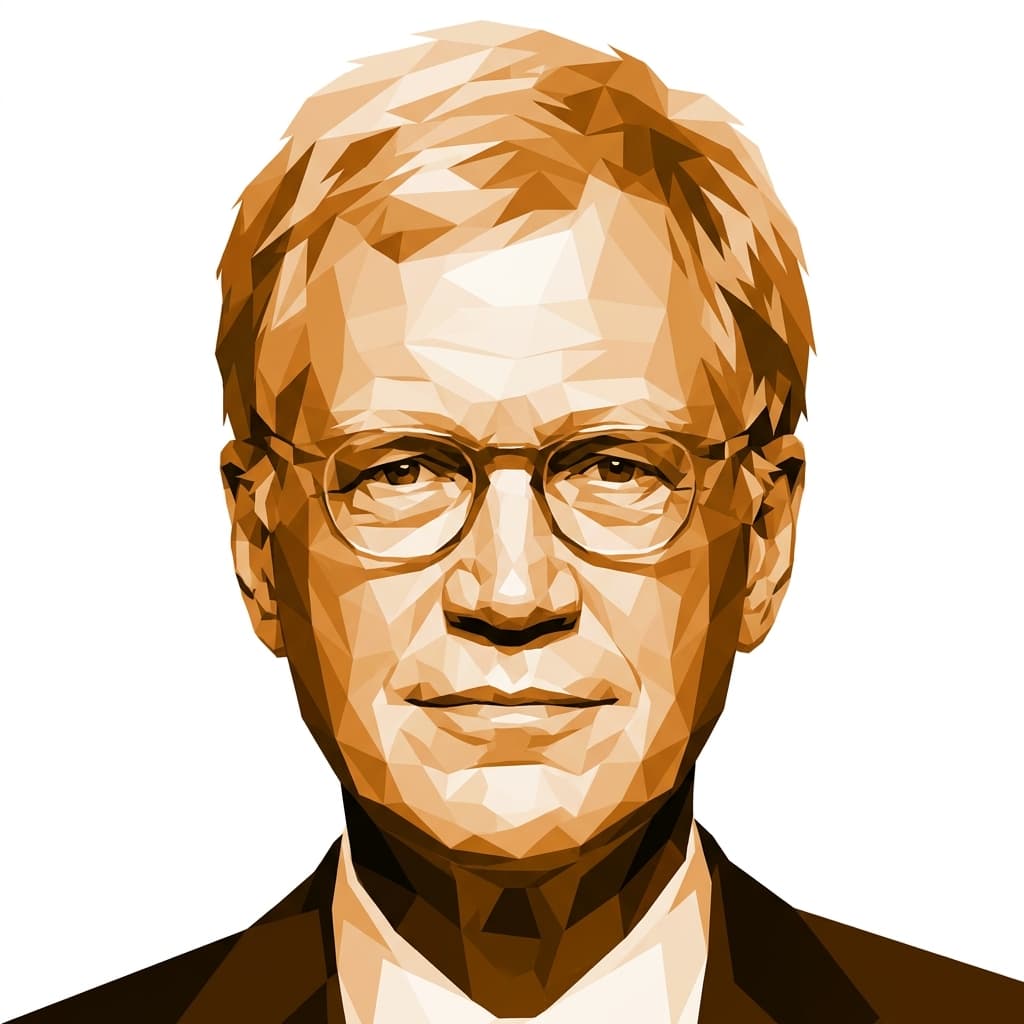
What do you and David Letterman have in common?
Enter your birth details to find out