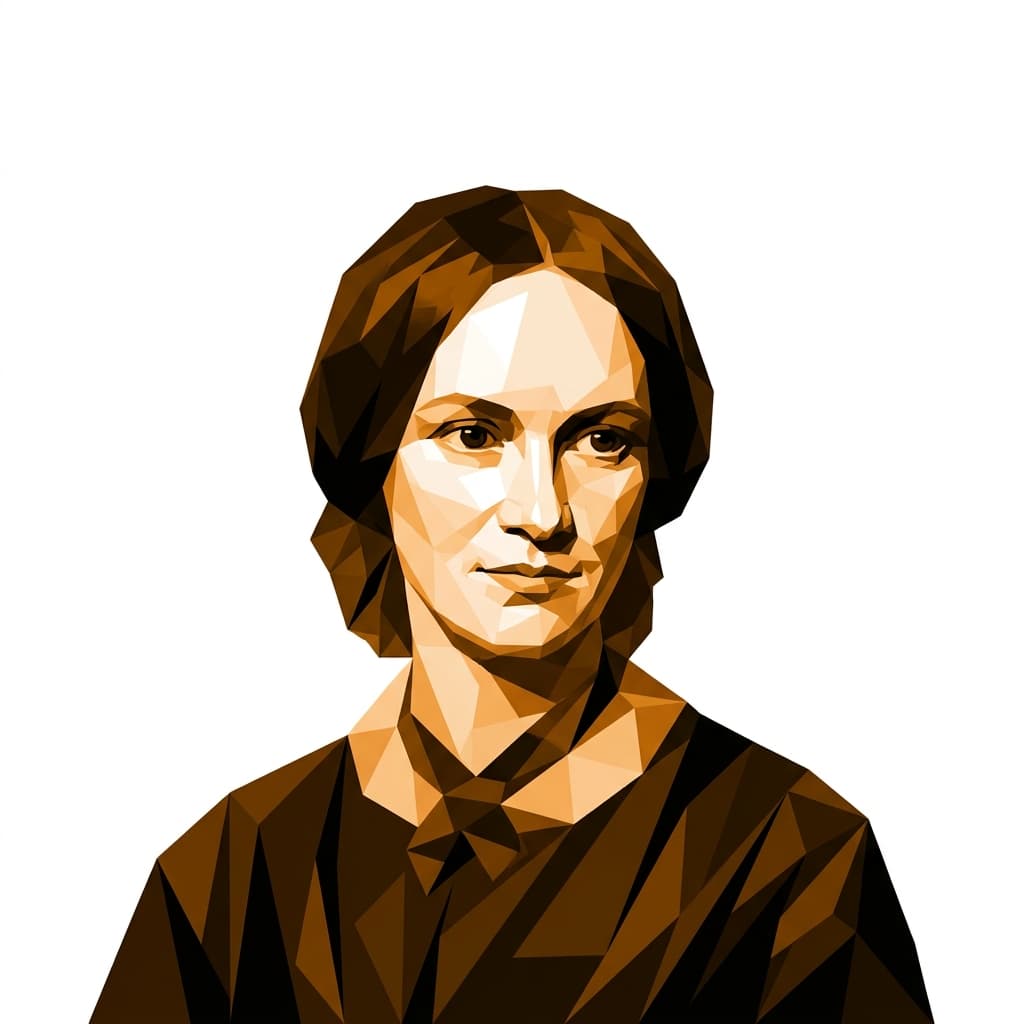
Argentine politician, two-term President (2007–2015), Vice President (2019–2023), and enduring Peronist figure.
Design
- Q34.3
- h20.3
- R37.4
- g13.3
- i7.3
- S5.4
- T38.2
- U41.1
- V2.1
- W32.3
- X53.4
- Y32.3
- Z4.5
Personality
- Q55.1
- h59.1
- R2.4
- g19.5
- i33.5
- S63.3
- T51.1
- U17.6
- V2.2
- W50.1
- X39.6
- Y32.4
- Z4.4
Cristina Fernández de Kirchner is a Manifesting Generator — a hybrid engine of speed and stamina who has spent five decades in Argentine politics juggling several roles at once: senator, First Lady, President, Vice President, party matriarch, courtroom defendant, and the most polarizing voice in the country. She met Néstor Kirchner in law school in La Plata in the early 1970s, and by the time they moved to Patagonia to build a legal practice and a political base in Santa Cruz, the pattern was set: she would work in parallel with him, not behind him, chasing several tracks at once without picking just one.
Her rise reads like a textbook 1/3 arc. As a 1/3 profile, the investigator who also learns by getting things wrong in public, she built a formidable legal-constitutional foundation as a provincial and then national legislator through the 1990s, quietly becoming one of the most-cited voices in the Senate. When she succeeded her husband as President in 2007, she moved fast — nationalizing the private pension system, pushing through same-sex marriage, expanding social transfers — and she also took several hard hits she hadn't anticipated. The 2008 farmers' revolt over export taxes, Resolution 125, was the archetypal 3-line lesson: a foundation she was sure of, tested by contact with reality, and defeated on a tie-breaking vote by her own Vice President.
She governs and campaigns as a natural provocateur who pulls emotion out of the room, whether from a balcony at the Casa Rosada or from the Senate chair. Long televised addresses, the black mourning wardrobe she adopted after Néstor's death in 2010, the pointed asides at journalists and judges — all of it operates as a voice that says the quiet part out loud in real time. Supporters describe being moved to tears; opponents describe being deliberately baited. Both are correct, and both are the point.
Underneath the theater is an emotional wave that decides on its own timeline. Her most consequential moves — anointing Alberto Fernández as presidential candidate in 2019 while taking the Vice Presidency herself, then publicly breaking with him mid-term — were not impulses but slow-cooked verdicts arrived at after months of visible reconsideration. She is at her most dangerous to opponents when she has waited for the political moment to actually show up rather than forcing it; her worst stretches have come when impatience or grief pushed her to move against her own timing.
Peronism is, for her, less an ideology than a community whose values she considers her responsibility to defend, and she has spent her post-presidency fighting battles she considers existential — against the judiciary that convicted her in the Vialidad case, against the IMF, against the media conglomerates she blames for two decades of opposition. She survived a point-blank assassination attempt outside her apartment in 2022 with a stillness that startled the country. Whether history reads her as a guide the movement kept turning back to or as the figure who could not let the next generation lead, the arc is unmistakably hers: built through investigation, tested by trial, and refusing to end quietly.
Sources: biography · birth data

What do you and Cristina Fernández de Kirchner have in common?
Enter your birth details to find out