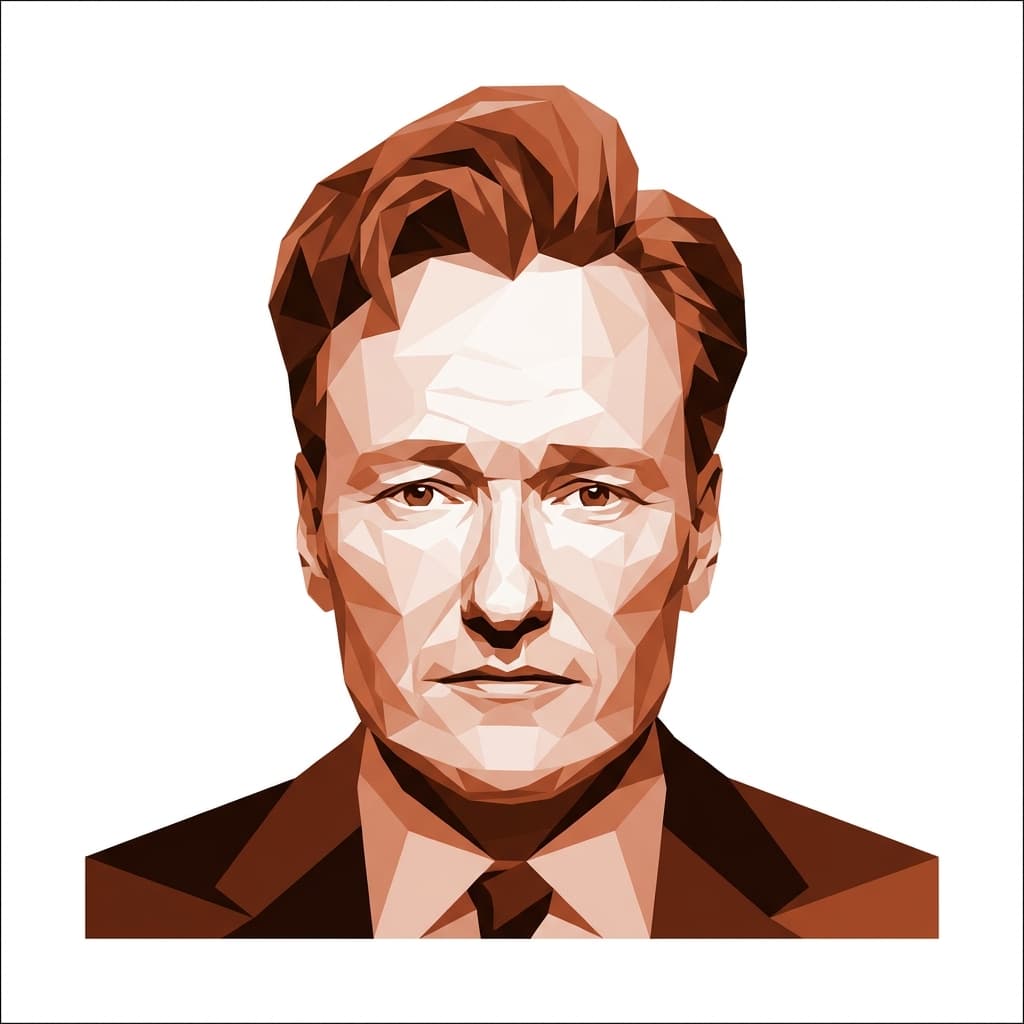
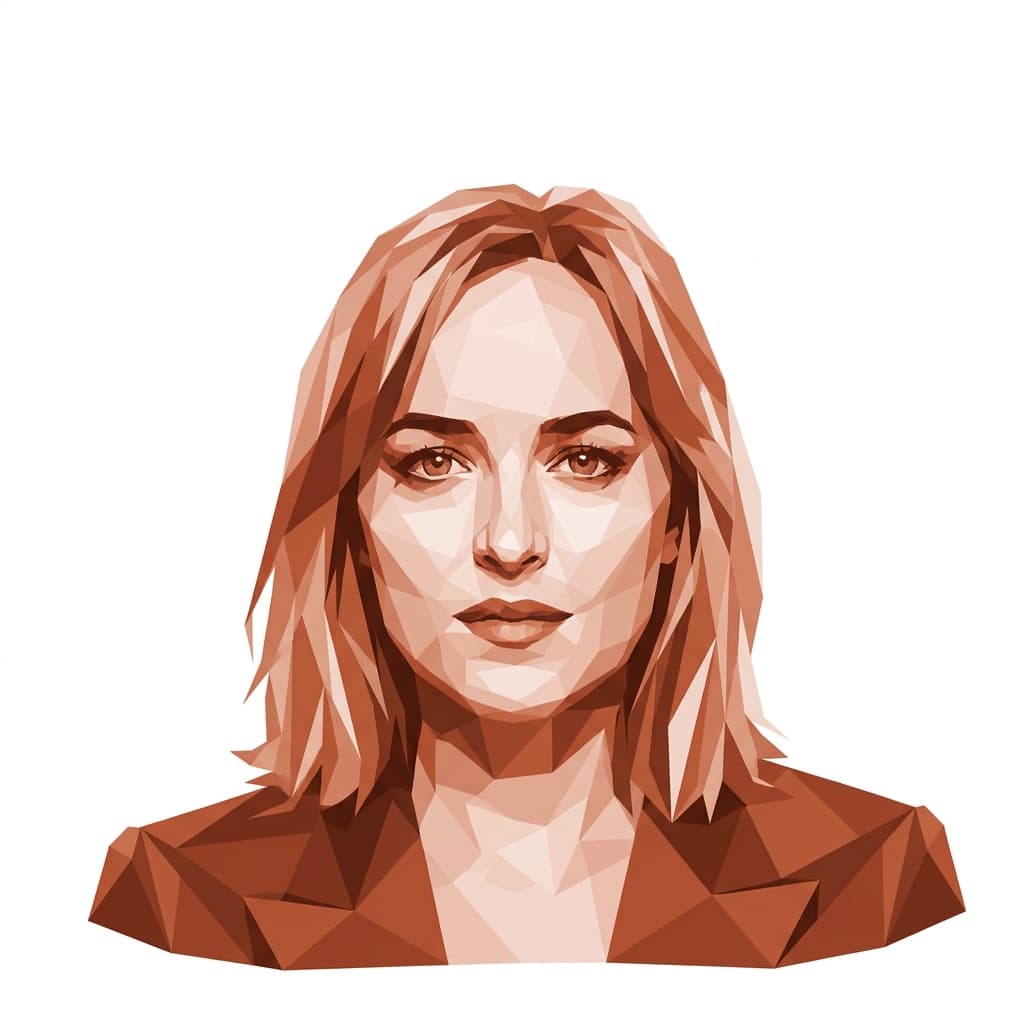
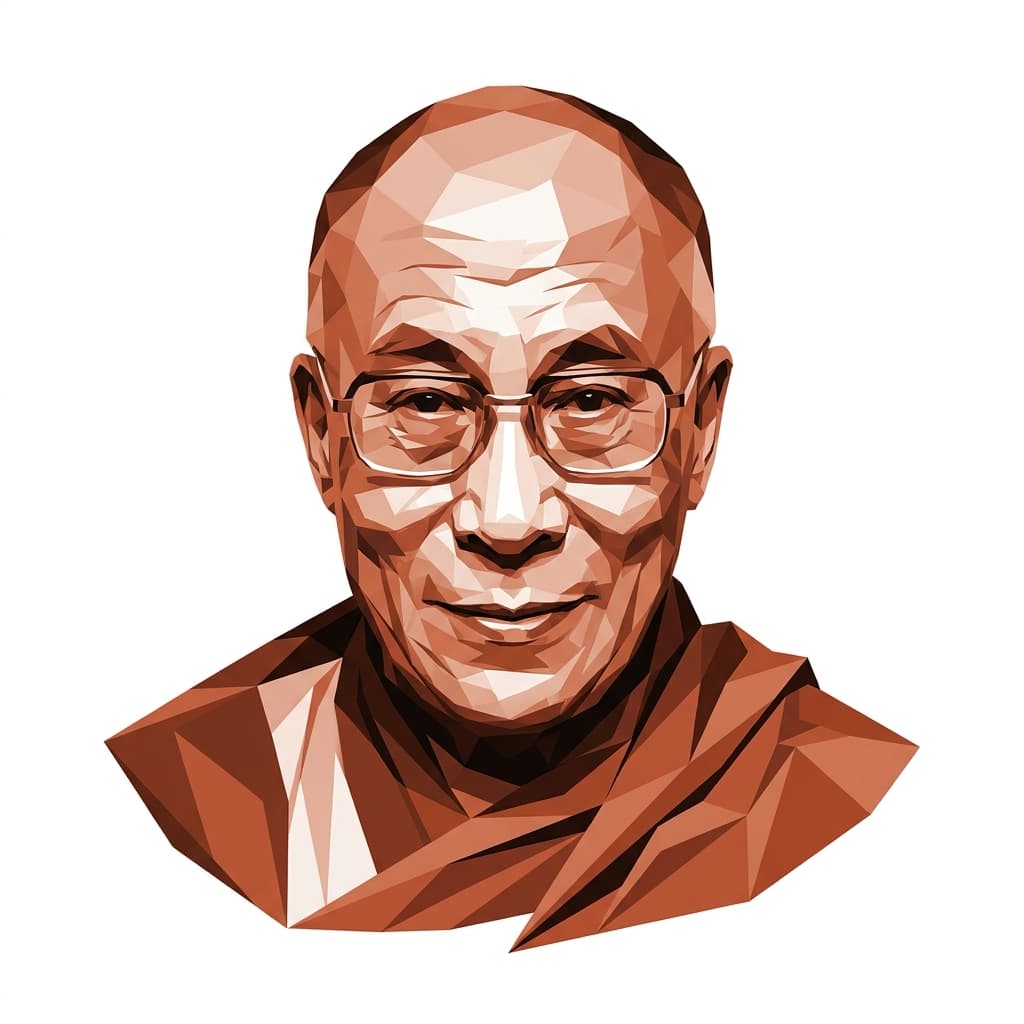
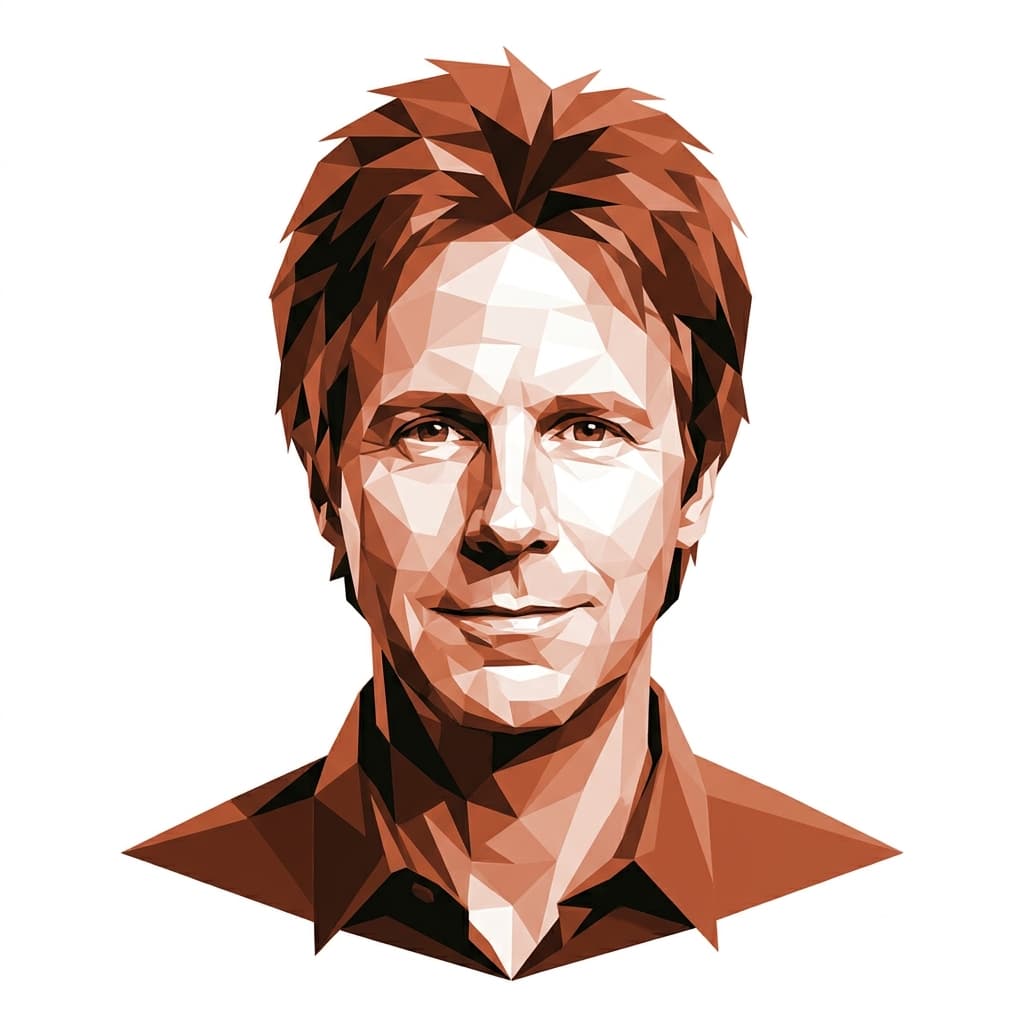
American actor known for transformative, method-driven performances in The Graduate, Tootsie, Rain Man, and Marathon Man.
Design
- Q2.6
- h1.6
- R3.1
- g5.5
- i35.5
- S23.3
- T51.5
- U34.2
- V60.1
- W25.4
- X24.3
- Y64.6
- Z56.1
Personality
- Q7.3
- h13.3
- R47.2
- g5.2
- i35.2
- S64.1
- T52.1
- U14.6
- V54.5
- W17.1
- X2.1
- Y47.1
- Z56.3
Dustin Hoffman is a Generator — built for the long, patient labor of getting a character exactly right, and famously incapable of coasting on charm alone. He spent nearly a decade waiting tables and sharing a cold-water flat with Gene Hackman and Robert Duvall before Mike Nichols cast him as Benjamin Braddock in The Graduate, and that decade of scraping shows up in everything after: a man who trusts the slow, hands-on process of building something real more than he trusts a shortcut.
His 3/6 profile — the experimenter who eventually becomes the elder — maps onto his career almost too neatly. The early years are trial and error made visible: Ratso Rizzo in Midnight Cowboy, the aging-in-reverse Jack Crabb in Little Big Man, Lenny Bruce, Carl Bernstein, the cross-dressing soap actor of Tootsie. He lived inside each role, pioneering a new shape out of the wreckage of the last one, rarely repeating himself. Only later did the sage-on-the-hill quality settle in — the Willy Loman revival, the American Film Institute honors, the elder-statesman interviews.
His decision-making has always been the kind that doesn't need an argument to defend it. He famously wore down real underwear for a week before shooting Papillon so the fabric would feel authentic. He stayed awake for days to shoot the torture scene in Marathon Man, prompting Laurence Olivier's dry "Why not try acting, dear boy?" — a story Hoffman has since reframed as being less about method and more about refusing to fake what his body could actually feel. He commits when the gut says yes and becomes immovable; when it doesn't, no amount of money or prestige moves him.
The texture of his work is the ability to distill a whole person into a gesture or a mumble — Ratso's limp, Raymond's fluttering hand, Michael Dorsey's exasperated eye-roll behind Dorothy Michaels' glasses. He has a listener's face, the kind that draws confessions out of scene partners, and he built entire performances out of watching. His arguments with directors — Schlesinger, Peckinpah, Levinson, most famously Sydney Pollack on Tootsie — were legendary, driven by a compulsion to keep testing, questioning, and reshaping until the thing feels honest.
Between the highs sat long fallow periods and public misfires: Ishtar, the divorce, a stretch in the late eighties when the industry decided he was difficult. He treated those years the way a 3/6 is meant to — as raw material — and came back with Raymond Babbitt in Rain Man, a performance built on months of visiting autistic adults and waiting for the specific detail that made the whole character click. The Oscar followed, but the more interesting fact is how the role required exactly his patience for the small, repeated rhythm of a person's actual life.
In his seventies and eighties he pivoted to directing (Quartet) and to the role of witness — long interviews with young actors, master classes, the reflective mode of someone finally comfortable telling the story of what the mess taught him. The 2017 misconduct allegations complicated the elder-statesman arc considerably, and he has largely retreated from the public eye. What remains on film, though, is the argument he spent sixty years making: that a character is a whole nervous system, and you have to live inside it before you get to speak.
Sources: biography · birth data
What do you and Dustin Hoffman have in common?
Enter your birth details to find out