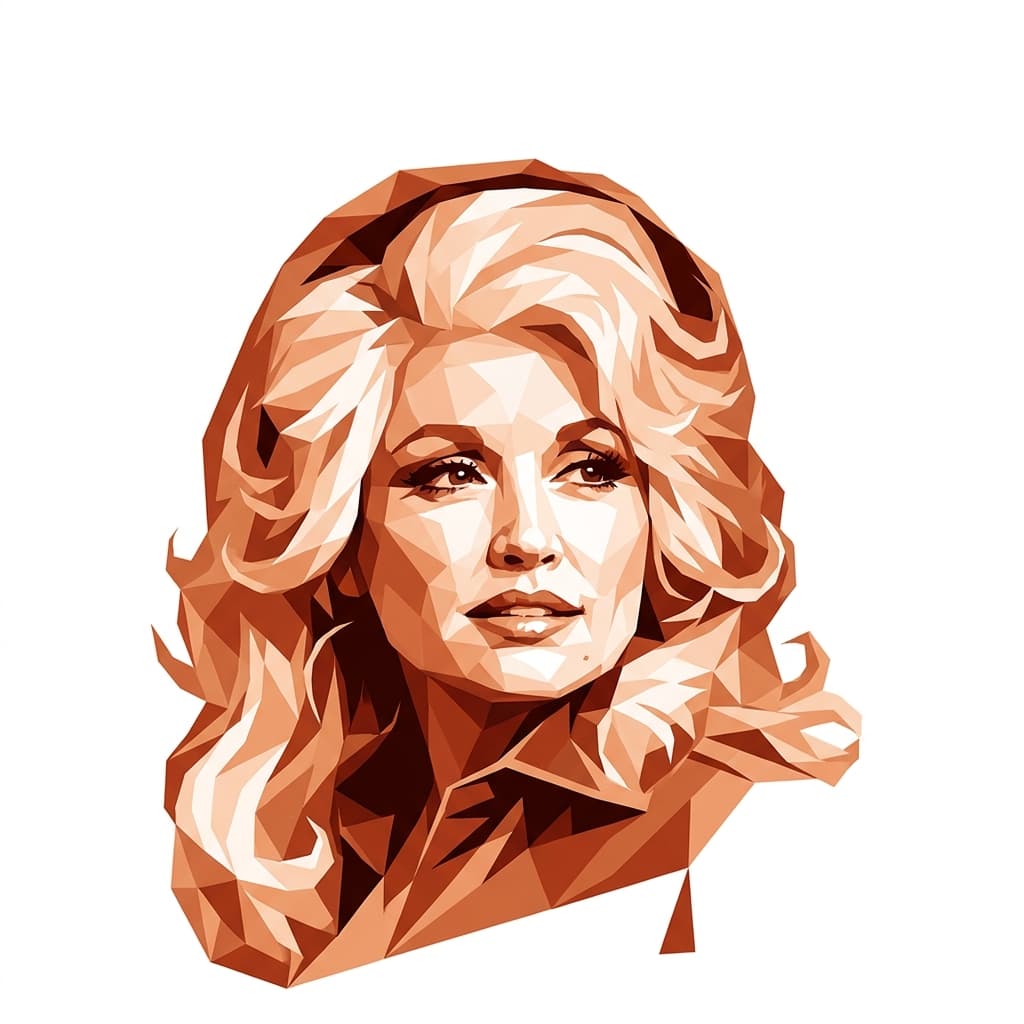
American jazz singer known as the First Lady of Song, with peerless phrasing and scat virtuosity.
Design
- Q41.6
- h31.6
- R25.6
- g54.5
- i53.5
- S54.6
- T38.6
- U13.1
- V3.2
- W62.6
- X49.1
- Y31.2
- Z15.5
Personality
- Q27.4
- h28.4
- R12.4
- g38.4
- i39.4
- S8.1
- T27.3
- U42.3
- V2.2
- W62.4
- X49.5
- Y31.1
- Z15.5
Ella Fitzgerald was a Generator — built for the long, satisfying haul of mastering a craft and lighting up a room while doing it. From the night in 1934 when a seventeen-year-old Ella shuffled onto the Apollo stage at an Amateur Night intending to dance, took one look at the headlining act, and decided to sing instead, her career was a study in responding to what the room asked of her rather than forcing a plan. She won first prize. Chick Webb hired her not long after, and she sang with his band until his death in 1939, then quietly took over leadership of the orchestra at twenty-two.
Her voice did things other singers' voices couldn't, but the deeper gift was her ear — the kind of instant, full-bodied knowing about a phrase, a tempo, a substitution that arrived faster than thought. On "How High the Moon" and "Flying Home," she scatted not as a stunt but as composition in real time, improvising with a precision other singers studied like sheet music. She could quote Gershwin inside a Parker line inside a nursery rhyme and make all three feel inevitable.
A 4/6 profile shapes the shape of a life into two halves: a messy, experimental first act and a later one where the person becomes a living example. Ella's early years carried that signature exactly — orphaned at fifteen, briefly held in a brutal reform school in Hudson, New York, sleeping rough in Harlem before the Apollo. She turned those years into wisdom drawn quietly from what she had witnessed, rarely speaking about the hardship publicly, letting it surface only in the way she sang a ballad.
The Songbook project Norman Granz produced with her starting in 1956 — the multi-volume recordings of Cole Porter, Rodgers and Hart, Ellington, Gershwin, Berlin — was a deliberate act of bringing order to a sprawling American repertoire. She and Granz treated the Great American Songbook as canon before anyone else did, and her readings became the definitive ones. She was a tastemaker who decided what deserved to be heard, and the culture followed her taste for decades.
She fought when it mattered and only then. When Marilyn Monroe personally pressured the owner of the Mocambo in 1955 to book Ella — a Black woman previously turned away — Ella played the room every night Monroe sat front row, and she never had to play a small jazz house again. That was the kind of fight worth her energy, waged through performance rather than confrontation. Touring on Granz's Jazz at the Philharmonic, she refused segregated accommodations and was arrested in Houston in 1955 alongside Dizzy Gillespie for standing on principle when principle was the whole point.
Onstage she had an uncanny sense of exactly when to lean into a phrase — when to bend a note, when to leave silence, when to drop into a whispered confidence with thousands of listeners. She kept performing into her seventies, through diabetes and failing eyesight and the amputation of both legs in 1993, closing each cycle of her life with the same dignity she'd brought to every chorus. She died in 1996, having sung, by any reasonable accounting, more songs more beautifully than anyone before or since.
Sources: biography · birth data
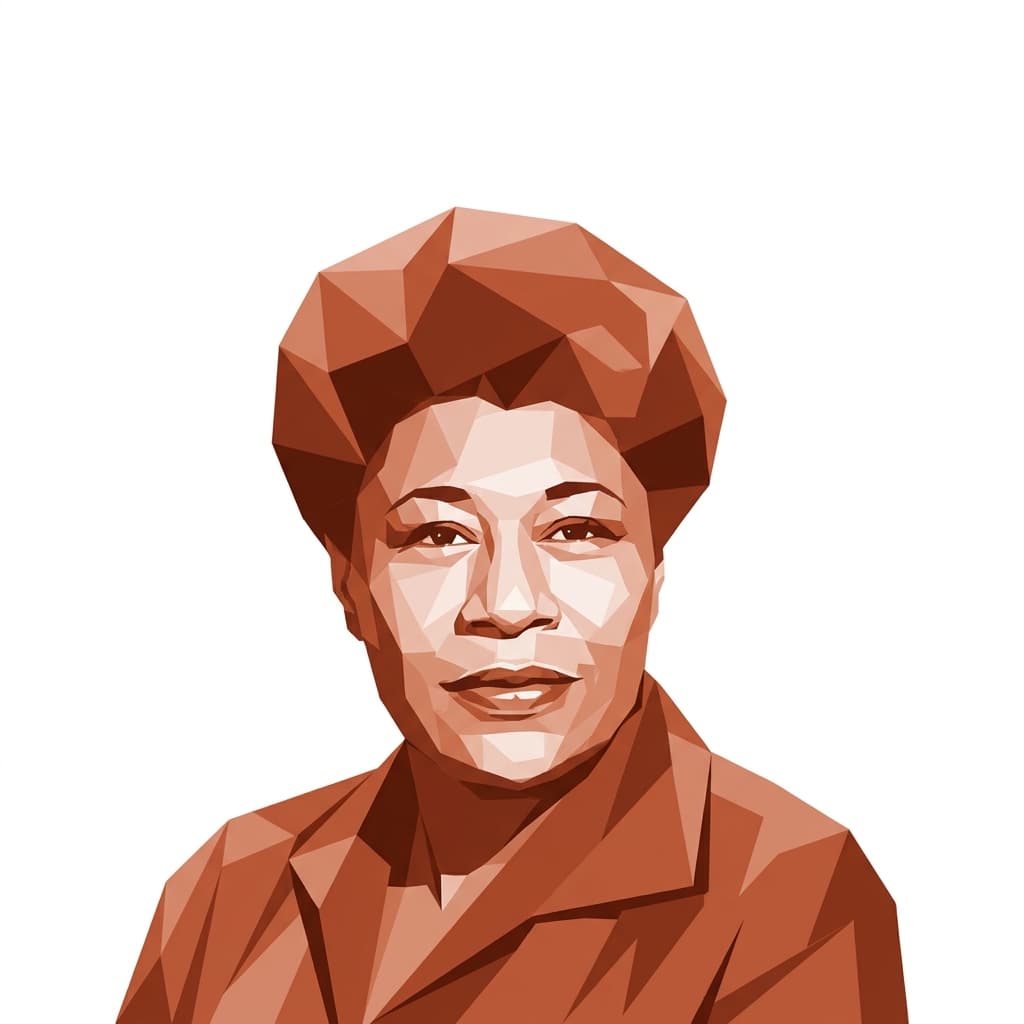
What do you and Ella Fitzgerald have in common?
Enter your birth details to find out