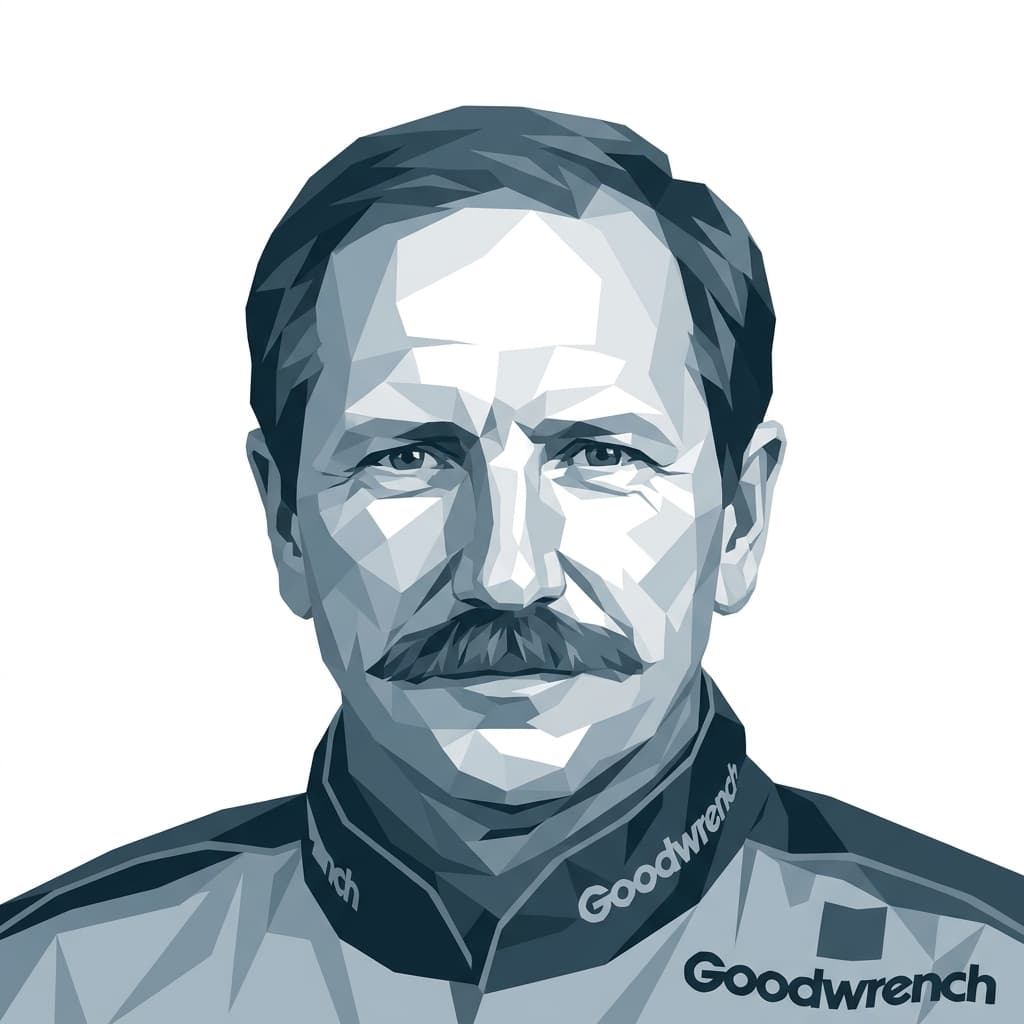
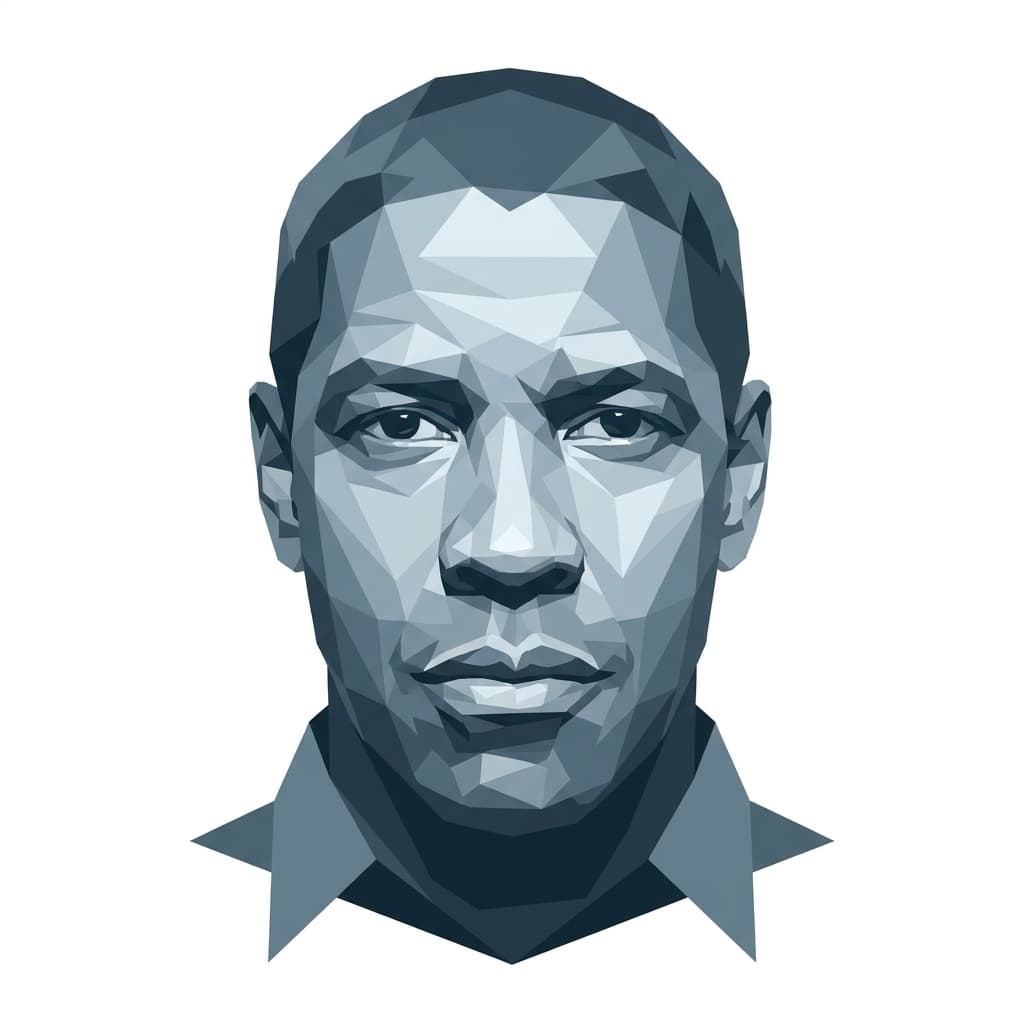
American psychologist who founded archetypal psychology and wrote The Soul's Code, reimagining the field through myth and image.
Design
- Q61.4
- h62.4
- R41.1
- g62.6
- i61.6
- S58.2
- T30.2
- U5.1
- V41.1
- W43.6
- X22.6
- Y4.6
- Z39.5
Personality
- Q42.2
- h32.2
- R42.3
- g62.1
- i61.1
- S25.5
- T37.1
- U13.2
- V49.3
- W14.1
- X36.5
- Y4.4
- Z39.4
James Hillman was a Projector — built to see patterns others missed and offer perspectives that reframed entire conversations rather than do the heavy institutional lifting. He spent his life as a psychologist who refused to behave like one, dismantling the field he'd been trained in (he directed the Jung Institute in Zurich in his thirties) and reassembling it as something he called archetypal psychology. His best-known book, The Soul's Code, hit the bestseller lists in 1996 — a strange fate for a writer who'd spent decades publishing dense, mythologically saturated essays for a small academic audience.
His core argument was the "acorn theory": that each person arrives with a particular image, a daimon, a calling already encoded — and that the task of a life is to grow into what's already there rather than become something else. It was the kind of insight that arrives whole rather than assembled, and he spent the rest of his career building the language around it. He had a philosopher's appetite for the unanswerable question, drawn less to solving the psyche than to letting it stay strange. "We've had a hundred years of psychotherapy," he famously declared with Michael Ventura, "and the world's getting worse."
His 2/4 profile showed in the rhythm of his work: long stretches of monkish reading in his Connecticut farmhouse, then bursts of public conversation through close friendships — with Robert Bly, with Thomas Moore (whose Care of the Soul extended Hillman's project to a wider audience), with the small circle of analysts who carried his ideas forward. Opportunities came through that network, not through self-promotion. He had an instinct for what was worth preserving in a tradition and what needed to be cut away, and he applied it ruthlessly to Jung himself, keeping the archetypes and discarding the developmental scaffolding.
Hillman wrote as a provocateur. He attacked the recovery movement, attacked the inner child, attacked the notion that childhood explains adulthood — stirring up the field's settled assumptions with a relish that made him enemies as easily as disciples. His Emotional Authority showed in the slow ferment of his books; he rewrote constantly, let arguments sit for years, and his best work has the quality of something that's been turned over a hundred times before being set down. He trusted the wisdom that only comes after the charge has passed.
He listened with unsettling depth. Patients and interviewers described the experience of being read by him — the sense of being heard at a register beneath what you'd actually said. His Strategy of waiting for the genuine invitation meant he gave his most penetrating work to those who came asking; he could be cantankerous with audiences who wanted self-help and generous with anyone genuinely curious about soul. He believed psychology had abandoned its proper subject — psyche, soul — and held to that principle with the stubbornness of someone who'd rather be right than liked.
He died in 2011 at his farmhouse in Thompson, Connecticut, having spent his last decades insisting that the world itself, not just individuals, had a soul that needed tending — an idea he kept perfecting until the end.
Sources: biography · birth data

What do you and James Hillman have in common?
Enter your birth details to find out