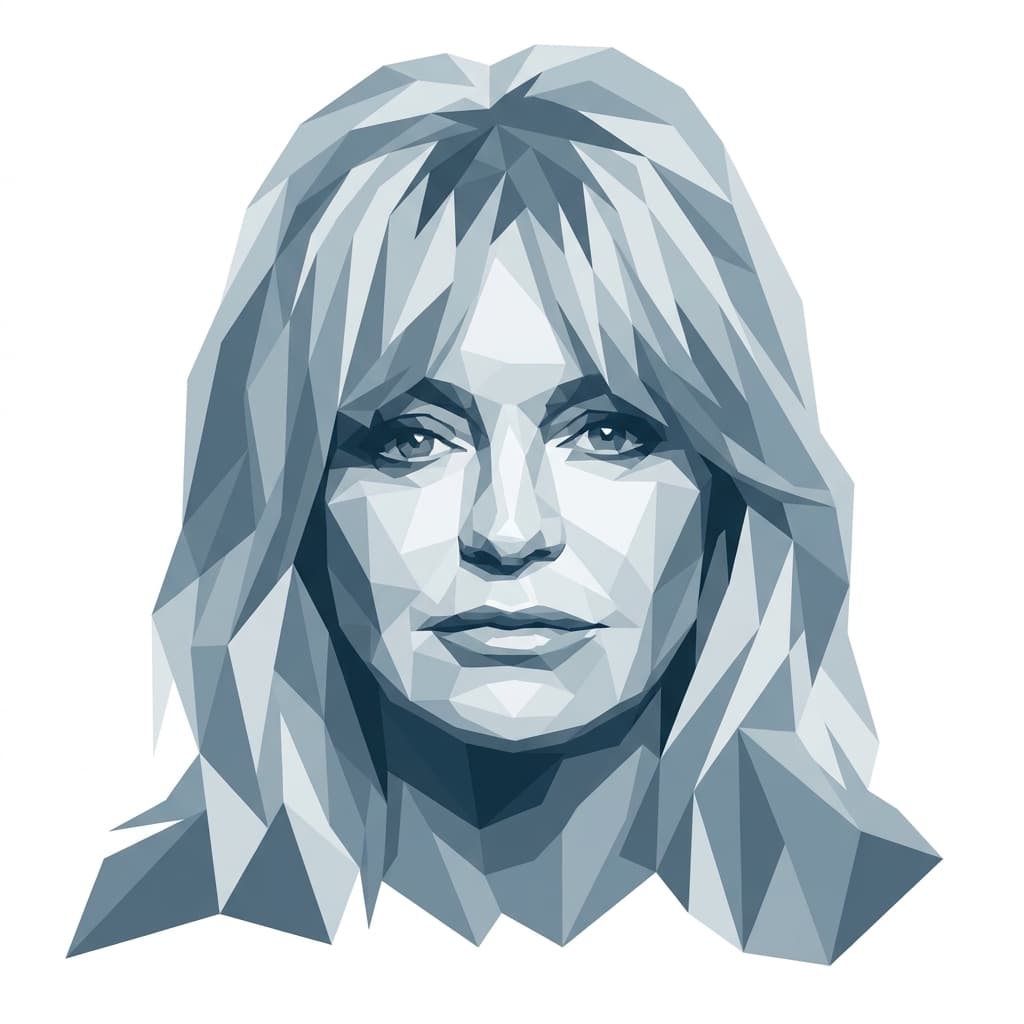
Italian tennis world No. 1, two-time Australian Open and US Open champion known for ice-cold composure.
Design
- Q8.1
- h14.1
- R55.1
- g52.4
- i58.4
- S35.6
- T21.3
- U10.1
- V35.6
- W20.4
- X30.1
- Y19.2
- Z5.4
Personality
- Q4.5
- h49.5
- R52.6
- g52.2
- i58.2
- S59.4
- T53.2
- U26.4
- V52.4
- W35.3
- X49.5
- Y41.6
- Z5.2
Jannik Sinner is a Projector — built to read the game rather than overpower it, conserving energy until the exact moment perspective converts into a winner. That's an unusual chassis for a top-of-the-sport tennis player, where the dominant archetypes are relentless workhorses. Sinner wins differently: by seeing patterns three shots ahead, by managing his calendar like a man who understands his battery, and by stepping onto court already knowing what the other player is about to try.
He came to tennis late by elite standards, having been a competitive skier first in the Dolomites near Sexten. That detour gave him a 5/1 profile's deep foundation, the investigator-problem-solver who needs to actually understand the mechanics before being asked to fix anything. When he moved to Riccardo Piatti's academy at thirteen, he reportedly spent the first months mostly hitting basics — forehand, backhand, footwork — while other prodigies were already chasing rankings. That patience to build a real foundation in what matters to him is now visible every time he dismantles an opponent's pattern by the third game.
His decision-making off court has the unmistakable signature of someone who sleeps on things before committing. The split with Piatti in 2022 took months of quiet deliberation, not a flash of frustration. Hiring Darren Cahill and Simone Vagnozzi was similarly considered. Sinner rarely speaks in heat; press conferences after brutal losses get the same flat, slightly amused tone as the wins. His almost ritualized daily rhythm — same warmup, same between-point routine, same recovery protocol — is the scaffolding that lets a Projector body survive an eleven-month tour.
On court, the tennis itself is an exercise in being completely present to what's in front of him. He doesn't hit through opponents; he responds to them, taking the ball impossibly early and redirecting pace with the kind of focused stillness that locks onto one task. The 2024 Australian Open final, where he came back from two sets down against Medvedev, was a textbook display of waiting for his moment rather than forcing it — absorbing, observing, then turning the match when the opening was actually there rather than when his ego wanted it.
There's also a quiet desire to keep getting better, not just keep winning that comes through in interviews. He talks about adjustments — a centimeter on the toss, a degree on the slice — with the genuine pleasure of a craftsman. He's said repeatedly that he doesn't play for trophies; he plays to find out what his ceiling is. That framing keeps the work aligned with something he actually loves, which for a Projector is the difference between sustainable excellence and burnout.
The 2024 clostebol case tested everything. Cleared by an independent tribunal but forced to stand publicly on principles that mattered to him, Sinner handled it with the same temperature as a third-set tiebreak — clear, undramatic, willing to wait for the right outcome rather than perform outrage. By the end of that year he was world No. 1, having quietly grown into the kind of authentic, understated presence the tour didn't know it needed.
Sources: biography · birth data

What do you and Jannik Sinner have in common?
Enter your birth details to find out