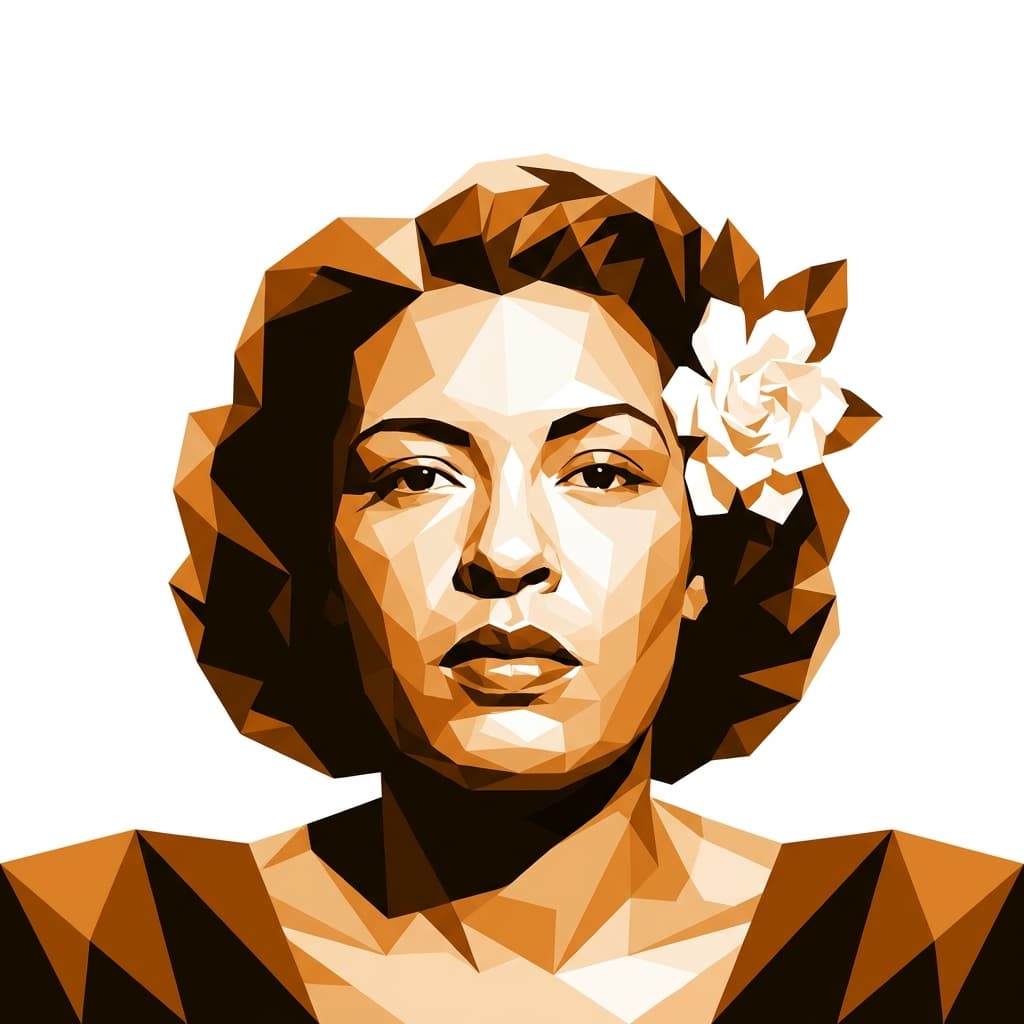
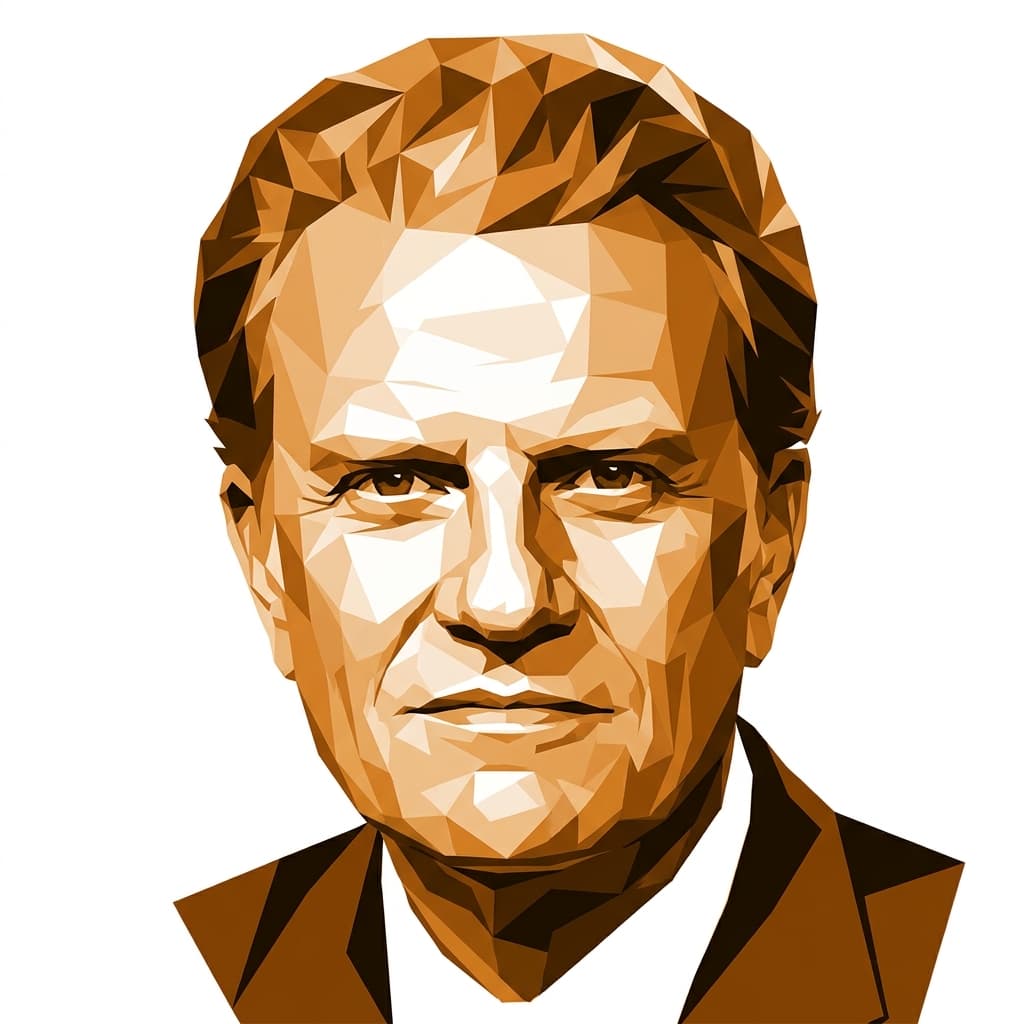
Puerto Rican virtuoso guitarist and singer who redefined "Feliz Navidad" and Latin crossover pop.
Design
- Q45.3
- h26.3
- R12.5
- g52.6
- i58.6
- S35.2
- T27.3
- U3.4
- V47.2
- W39.2
- X35.3
- Y46.6
- Z33.1
Personality
- Q47.1
- h22.1
- R50.6
- g52.3
- i58.3
- S59.1
- T33.6
- U15.4
- V46.6
- W62.2
- X45.1
- Y18.2
- Z33.4
José Feliciano is a Manifesting Generator — wired for multiple simultaneous fluencies, and his career reads like a person who refused to be one thing. Blind from birth and raised in Spanish Harlem after his family left Lares, he taught himself accordion at six, then guitar, then a working knowledge of dozens of instruments. By seventeen he was dropping out of high school to play Greenwich Village coffeehouses to help support his family, and by his early twenties he was doing something no one had really done before: singing bolero, flamenco, blues, and rock through the same set of hands.
His breakthrough came from the kind of gut-level yes that arrives when the right song shows up. RCA producer Rick Jarrard suggested he cover The Doors' "Light My Fire" in 1968. Feliciano turned it into a slow, Latin-inflected acoustic reinvention, and it became a global hit. That same year he was invited to sing the National Anthem at Game 5 of the World Series in Detroit — and delivered a bluesy, personal reading that scandalized much of America. He'd read the room and then done exactly what the moment called for anyway, a decision that got him blacklisted from radio for years. He has spoken about it since as a pivot point he had to sit with — the classic 1/3 pattern of learning by doing the thing, taking the hit, and building expertise from the wreckage.
"Feliz Navidad," recorded in 1970, was almost an afterthought — two verses, one in Spanish, one in English, written quickly in a Los Angeles studio. It became one of the most-played holiday songs in history. What's striking is how much of Feliciano's catalog works this way: a fast, joyful sketch that turns out to be built to last. He follows what lights up his hands and voice, sometimes for a week, sometimes for a decade, moving between salsa, jazz standards, Christmas records, children's music, and Spanish-language ballads without apology.
As a guitarist he is scary-precise — clean flamenco runs, jazz voicings, blues bends, all delivered with the focused stillness of someone who can disappear into a single instrument for hours. Fellow musicians talk about his ear the way athletes talk about a great shortstop. He hears a chord once and has it. That precision extends to his arrangements, where every ornament earns its place and nothing is wasted, but the feeling underneath is always emotional — songs that land because the mood is right, not because the notes are correct.
He has been married to Susan Omillian since 1982 and raised three children in Connecticut, and he speaks often about the responsibility he feels toward Puerto Rico and the broader Latin community he came out of — mentoring younger artists, showing up for hurricane relief, using his voice as a kind of stewardship of the culture that made him. He is now in his eighth decade of performing, still touring, still recording, still chasing whatever the next thing is that feels like it needs him.
Sources: biography · birth data

What do you and José Feliciano have in common?
Enter your birth details to find out