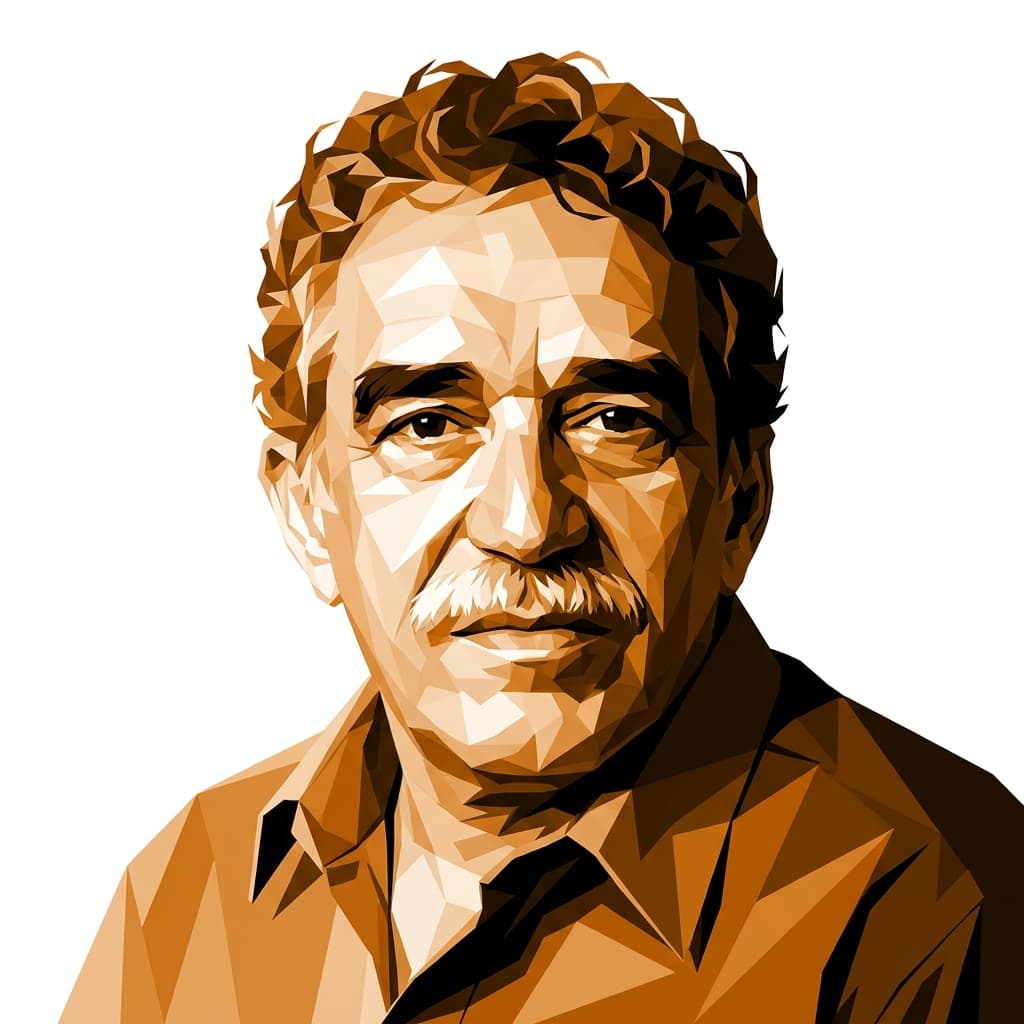
American evangelist who preached to more people in person than anyone in history.
Design
- Q7.4
- h13.4
- R6.1
- g26.4
- i45.4
- S64.3
- T53.5
- U32.6
- V52.3
- W7.5
- X30.2
- Y31.6
- Z52.3
Personality
- Q1.2
- h2.2
- R10.1
- g5.2
- i35.2
- S14.5
- T44.4
- U11.6
- V53.1
- W29.3
- X49.6
- Y33.2
- Z52.3
Billy Graham was a Manifesting Generator — built for speed, sustainable stamina, and the kind of non-linear career that could take a North Carolina dairy farmer's son from small tent revivals to advising twelve U.S. presidents. From the moment he responded, at sixteen, to a traveling preacher named Mordecai Ham in a sawdust-floored Charlotte tabernacle, his life had the shape of someone who waited for the thing that lit up his gut, then moved fast. He didn't manufacture his ministry; it kept showing up, and he kept saying yes.
His breakthrough was a canvas cathedral in Los Angeles in 1949. Scheduled for three weeks, the tent meetings ran eight, largely because William Randolph Hearst wired his editors two words — "Puff Graham" — and the national press descended. Graham hadn't lobbied for it. He'd simply preached, and something in the room caught fire. His 2/4 profile — the hermit who is nonetheless designed to be seen by his network — fit the pattern exactly: long stretches studying scripture in the Blue Ridge Mountains, then emerging to fill Madison Square Garden for sixteen weeks straight. His opportunities came through relationships he'd quietly cultivated, and he protected his solitude fiercely between the crusades.
What set him apart from his generation of revivalists was a refusal to bend the message to whichever room he was in. In 1953, in Chattanooga, he personally tore down the ropes segregating Black and white attendees, years before the Civil Rights Act. He invited Martin Luther King Jr. to pray at his 1957 New York crusade. When his associate Grady Wilson urged caution, Graham didn't argue theology; he acted on what his body already knew was right. That was Sacral Authority in a preacher's collar — decisions made in the gut, without a committee.
His genius was persuasive but not manipulative — selling something he unreservedly believed in, night after night, in a voice that could fill a stadium without a teleprompter. He had the salesman's instinct for what would move a crowd and the vision-caster's gift for pointing people toward a future they could feel. He also had the discipline to protect himself from what destroyed lesser evangelists: the "Modesto Manifesto" of 1948, drafted with Cliff Barrows and George Beverly Shea, committed him to never be alone with a woman other than his wife, to always have finances independently audited, and to never inflate attendance numbers. He kept those rules for seventy years.
The commitments he made, he kept. He preached to an estimated 215 million people in person across 185 countries, and his marriage to Ruth Bell lasted sixty-three years until her death. He had the kind of yes that, once given, did not waver, and he stewarded the enormous financial and organizational resources of the Billy Graham Evangelistic Association with a plain frugality that made scandal impossible. By the time he preached his final crusade in Queens in 2005, at eighty-six, he had outlived most of his critics and become, improbably, an American institution — a listener whose long life had accumulated more stories than he could ever tell.
Sources: biography · birth data

What do you and Billy Graham have in common?
Enter your birth details to find out