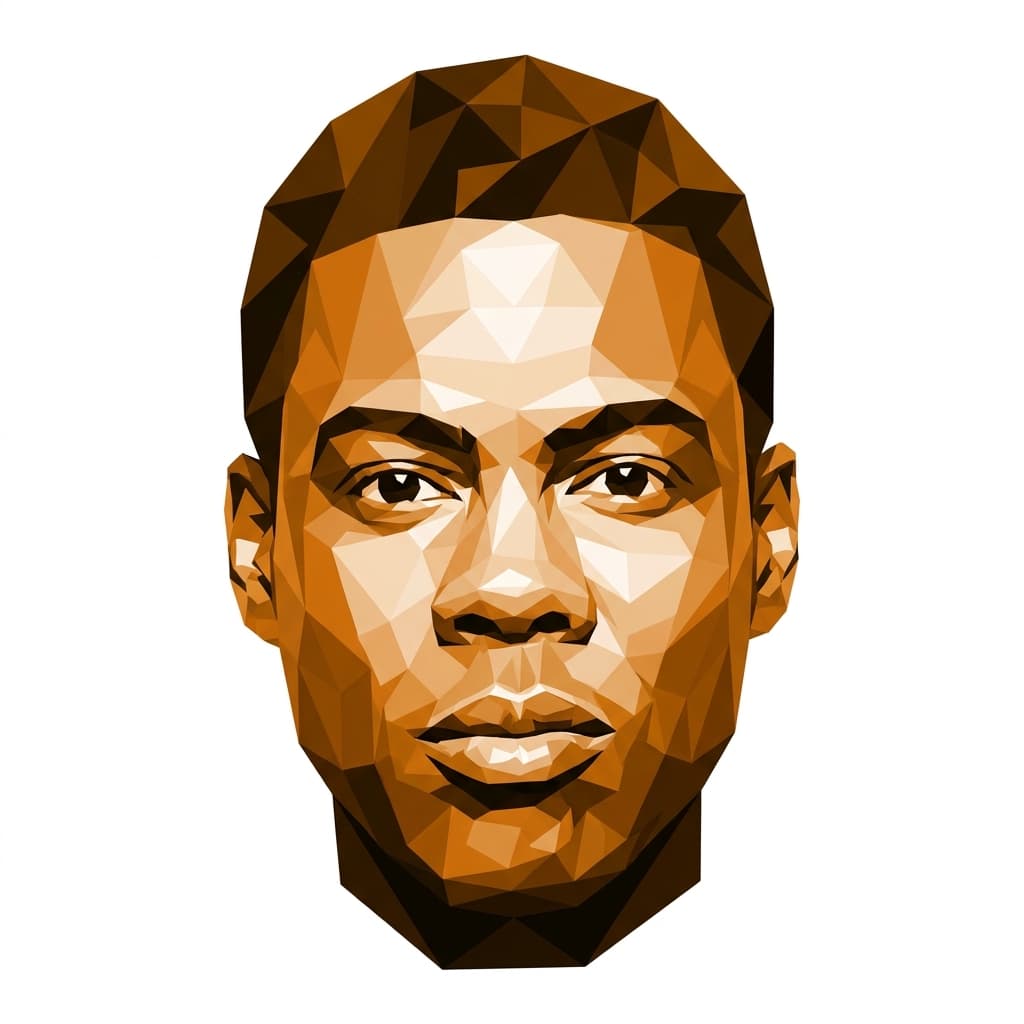
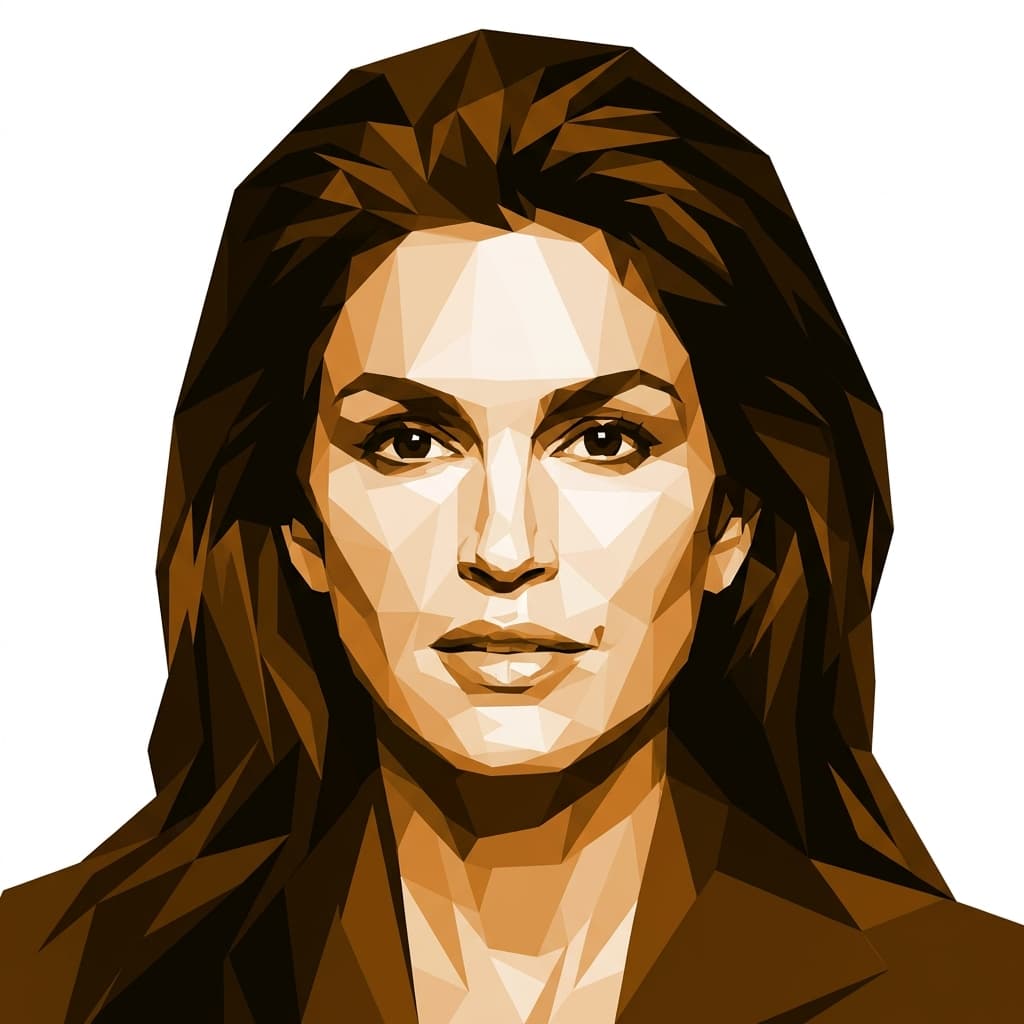
Trailblazing actress who became the first Black female action star through 1970s films like Coffy and Foxy Brown.
Design
- Q37.2
- h40.2
- R49.1
- g3.1
- i50.1
- S19.3
- T30.1
- U63.1
- V61.3
- W59.3
- X12.5
- Y48.6
- Z7.2
Personality
- Q20.6
- h34.6
- R23.6
- g42.5
- i32.5
- S35.6
- T35.5
- U23.2
- V41.1
- W29.6
- X15.1
- Y48.4
- Z7.2
Pam Grier is a Manifesting Generator — designed to move fast, juggle multiple lives at once, and skip the steps that don't matter — and her career has looked exactly like that from the beginning. She landed in Los Angeles in the late 1960s working the switchboard at American International Pictures, and within a few years she'd gone from answering phones to headlining the movies the company was making. She didn't audition her way up a ladder; the ladder appeared and her gut said yes.
Her early Roger Corman work — The Big Doll House, Women in Cages, The Big Bird Cage — gave her a crash course in what a body could do on camera. Then came Coffy in 1973, followed by Foxy Brown, Sheba, Baby, and Friday Foster. She did her own stunts, wrote some of her own dialogue, and helped shape characters who were unlike anything American cinema had put on screen: Black women who were the story, not the accessory. That instinct for seeing what a role could become before anyone else did turned formula scripts into cultural landmarks.
Grier's 6/2 profile is the classic arc of the role model who lives it before she teaches it. Her twenties were the trial-and-error phase — the exploitation circuit, the wigs and shotguns, the fight choreography — and she carried the lessons into a long middle stretch of quieter, more considered work. She retreated when she needed to, disappearing to her Colorado ranch to be with her horses and dogs, a life shaped by deep attunement to animals and land. The withdrawal wasn't avoidance; it was how she metabolized what Hollywood asked of her.
She has a gut that says yes only when it means it — famously turning down Bond-girl offers and roles that would have typecast her further, waiting for the material that actually moved her. When Quentin Tarantino wrote Jackie Brown for her in 1997, it was the payoff of two decades of waiting for the right thing to walk in the door. She played Jackie with a stillness that felt like a woman who had already lived several lifetimes, because she had. The performance was saying only what needed saying, at exactly the right moment.
Her memoir Foxy: My Life in Three Acts was characteristically direct — surviving childhood assault, dating Richard Pryor through his freebase years, a cervical cancer diagnosis in the late '80s that doctors said would kill her within eighteen months. She outlived the prognosis by decades. Throughout, she has kept a strong sense of what's worth protecting and what isn't, whether that meant walking away from a bad contract or driving cross-country to rescue a horse.
What makes Grier singular isn't just that she was first — first Black woman to headline an action film, first to open a movie on her name alone — it's that she treated the whole trajectory as one long experiment in following what genuinely lit her up. She kept working: The L Word, stage roles, guest arcs, voice work. The pivots weren't a career strategy. They were a life built on refusing to stay in one lane, and the through-line was always her own conviction about what came next.
Sources: biography · birth data
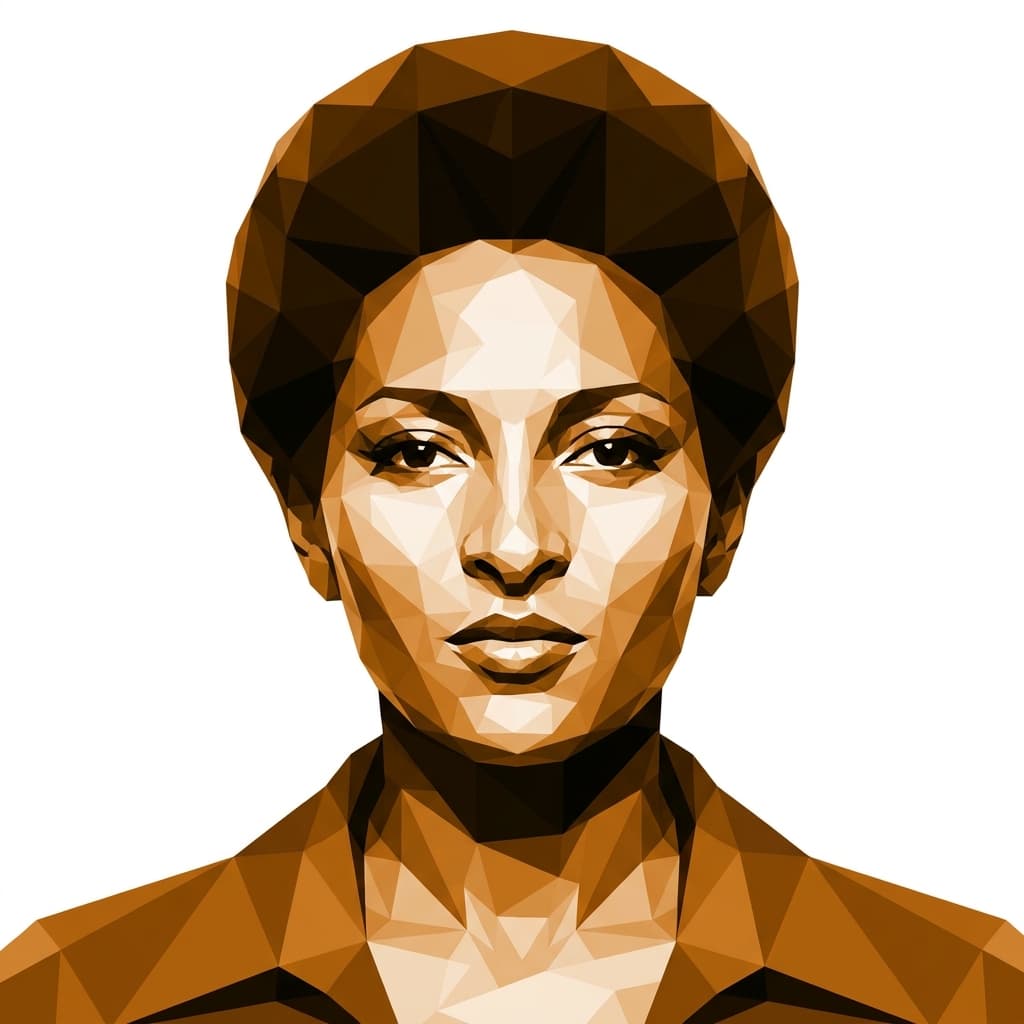
What do you and Pam Grier have in common?
Enter your birth details to find out