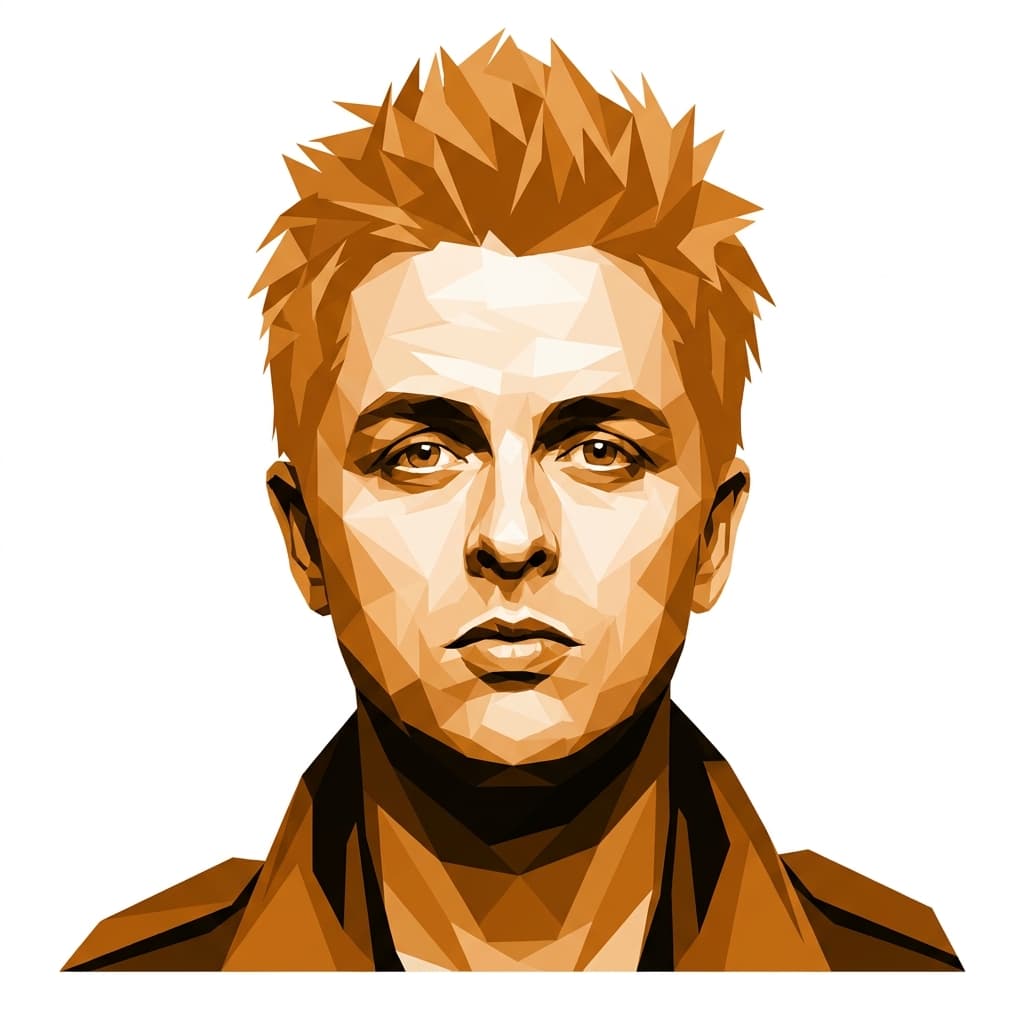
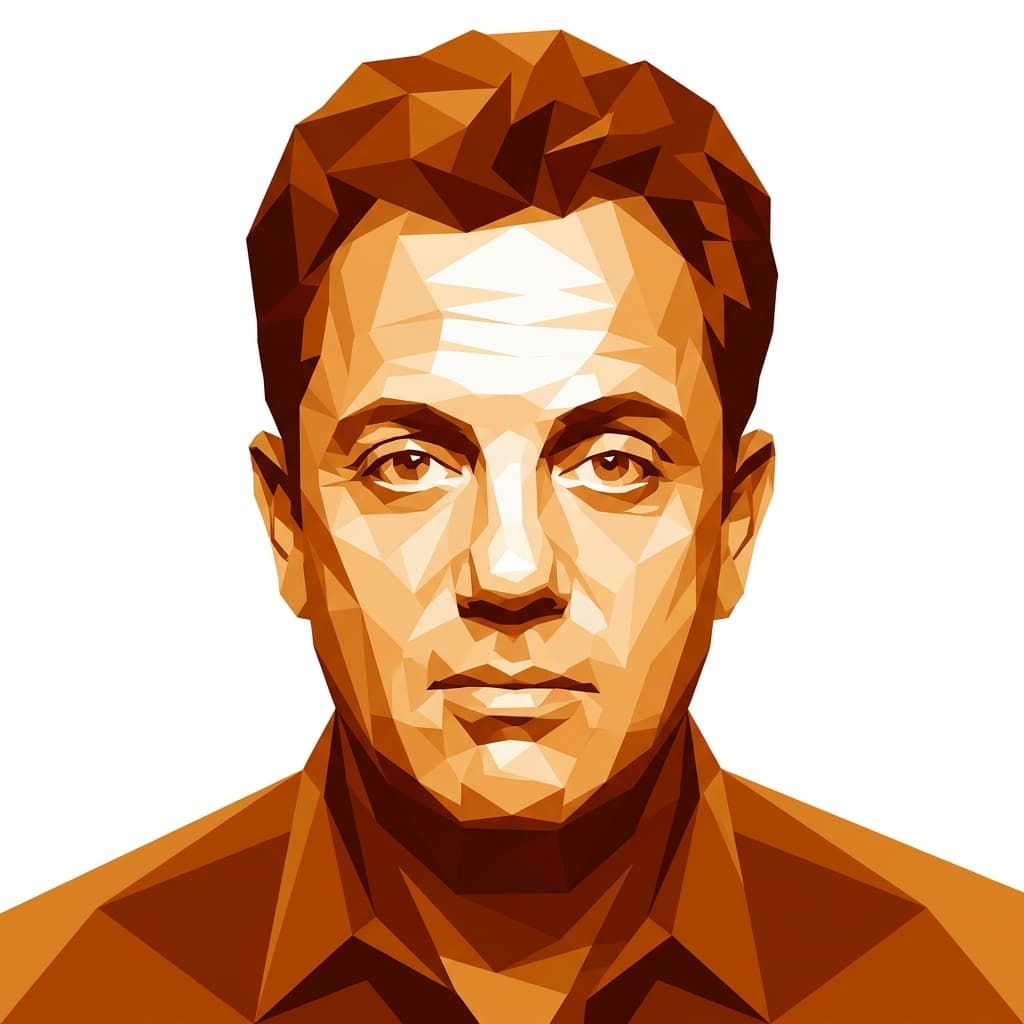
British royal turned California expat, soldier, advocate, and memoirist who walked away from "the Firm."
Design
- Q12.3
- h11.3
- R61.3
- g16.1
- i9.1
- S35.6
- T12.3
- U44.5
- V38.1
- W44.3
- X9.6
- Y10.3
- Z50.4
Personality
- Q6.1
- h36.1
- R23.3
- g8.6
- i14.6
- S59.6
- T57.3
- U5.6
- V10.6
- W44.6
- X9.5
- Y10.1
- Z50.5
Prince Harry is a Manifesting Generator — built for speed, impatient with protocol, and rarely satisfied moving at the careful pace the institution around him demanded. From the moment he was old enough to be photographed, his life ran on a track he didn't choose, and most of the interesting decisions he's made since have been about getting off it without apology, waiting until something — a woman, a cause, a posting — actually lit him up before he committed.
His 1/3 profile shows up everywhere in his story: the deep, almost obsessive investigation into things that grip him (his mother's death, veterans' mental health, tabloid practices) paired with a willingness to crash through experiences and learn the hard way. Eton, the gap-year scandals, the Nazi-uniform photograph, the Vegas pool party — these weren't a wayward youth so much as a person designed to learn by getting it wrong in public, gathering experience he'd later metabolize into something useful. He's described himself in his own memoir as someone who had to live it before he understood it.
The army gave him the structure his energy actually responded to. Ten years in uniform, two tours in Afghanistan, the qualifications as an Apache pilot — this was him channelling the warrior energy that needs a real cause into something with stakes. Out of it came the Invictus Games, which is arguably the most coherent thing he's ever built: an entire institution organized around protecting and championing a community he felt responsible for. Wounded servicemembers were people he understood instinctively, and he gave them a stage.
Meghan changed the trajectory entirely. The courtship was fast, the engagement faster, and the decision to step back from senior royal duties in 2020 had the unmistakable signature of a decision that finally felt clean after years of emotional churn. Anyone who watched the Oprah interview saw a man who had clearly slept on this one for a long time. The bond itself carries the kind of intensity that doesn't do half-measures — he chose her, chose California, chose a different life, and accepted the cost.
His public voice since has been a study in waiting for the moment when people will actually hear it. The Netflix series, the Spare memoir, the phone-hacking lawsuits against the tabloids — each one timed, each one landing with more force than the British press expected. The book in particular was him taking complicated, painful family material and rendering it in language anyone could follow, which is why it sold the way it did even as critics rolled their eyes.
What lingers, watching him now, is how much of his life has been about refusing to perform a self that wasn't his. The grief over Diana, the guilt about Afghanistan kill counts, the wounded loyalty to his brother, the open love for his wife — he doesn't edit. Whether that reads as brave or self-indulgent depends entirely on the reader, but the consistency is unmistakable.
Sources: biography · birth data
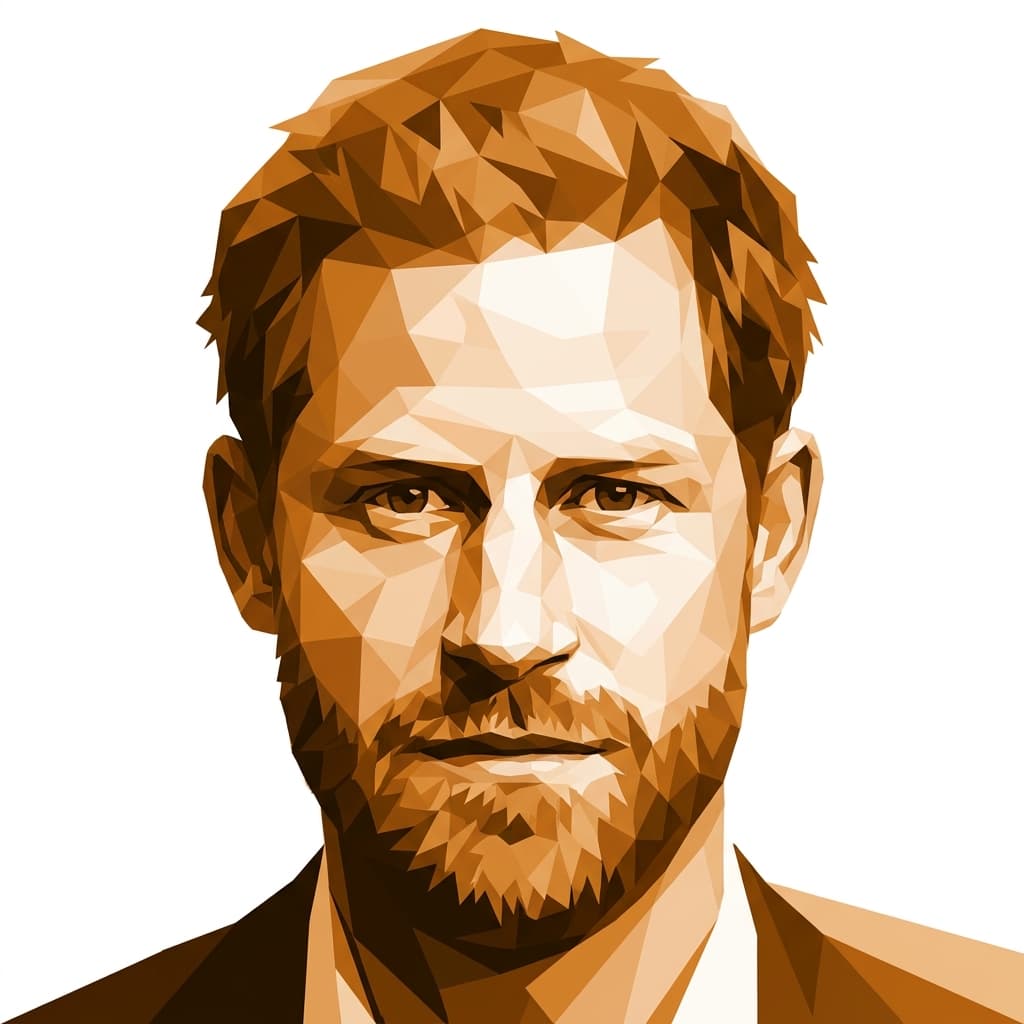
What do you and Prince Harry, Duke of Sussex have in common?
Enter your birth details to find out