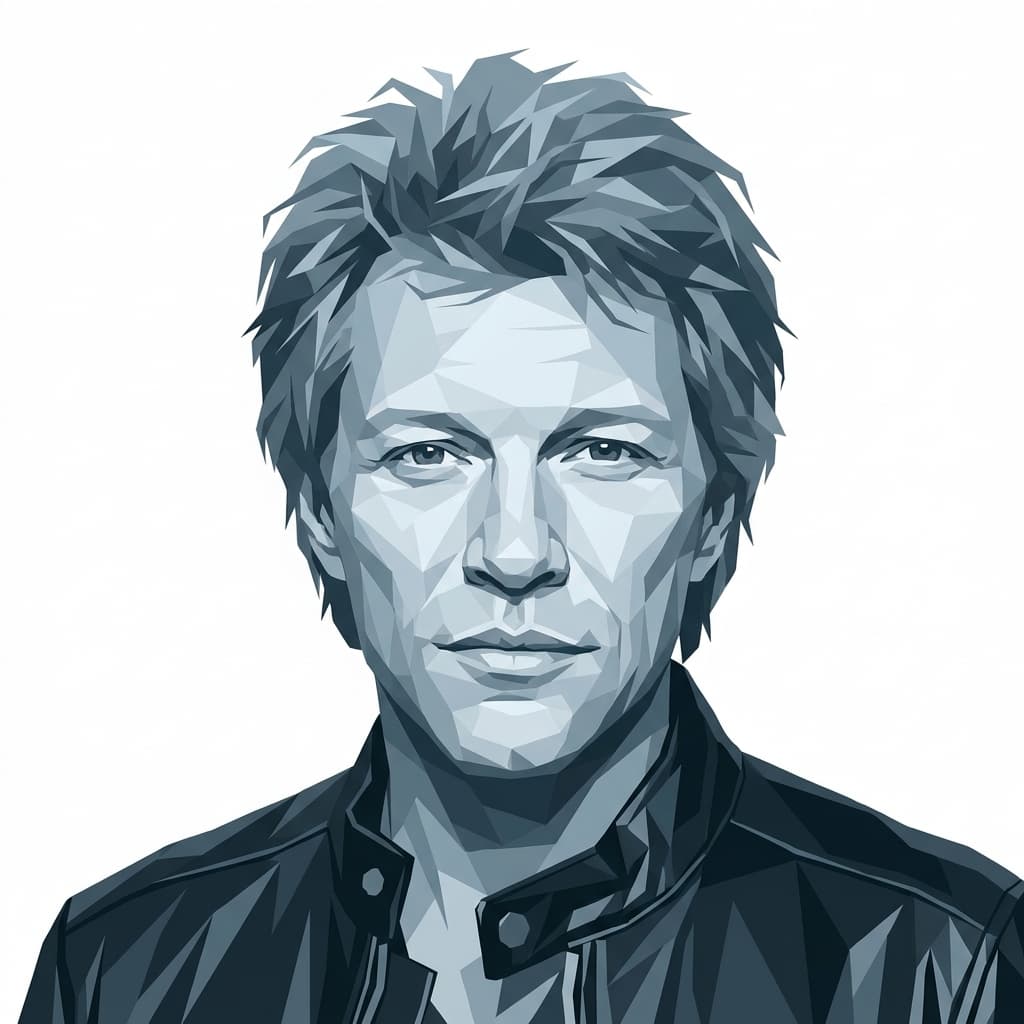
Catalan Surrealist painter whose melting clocks and theatrical persona made him twentieth-century art's most famous provocateur.
Design
- Q49.4
- h4.4
- R58.4
- g6.6
- i36.6
- S60.1
- T54.1
- U22.2
- V36.4
- W19.6
- X10.1
- Y15.6
- Z45.2
Personality
- Q23.2
- h43.2
- R25.5
- g6.4
- i36.4
- S23.5
- T27.3
- U8.1
- V51.2
- W49.2
- X10.2
- Y52.1
- Z45.3
Salvador Dalí was a Projector — not built for the relentless studio output of a Picasso, but wired to see what others couldn't and to stage that seeing with devastating precision. He produced far less than his Surrealist contemporaries, yet almost every image he made burned itself permanently into the twentieth-century visual imagination. The melting clocks, the elephants on stilts, the burning giraffes: these were not the output of a workhorse. They were the breakthroughs of someone who waited until the vision arrived whole, then rendered it with Old Master technique.
Born in Figueres in 1904, Dalí grew up as a strange, solitary child in a town that already contained a dead older brother of the same name — a fact he spoke about for the rest of his life. His 2/4 profile ran the whole arc: long stretches locked away in his studio in Port Lligat, obsessively perfecting a single canvas, broken by eruptions into Parisian cafés and New York galleries where his network of patrons, writers, and collectors did the actual work of making him famous. He cultivated his craft in near-monastic solitude, then let the community of Surrealists, dealers, and socialites carry him outward.
The famous persona — waxed moustache, cape, bulging eyes, the "Avida Dollars" nickname André Breton coined by anagramming his name — was Dalí's answer to Wait for the Invitation. He made himself impossible to ignore, a tastemaker who understood that attention itself was a medium. He engineered recognition rather than waiting passively for it. Breton eventually expelled him from the Surrealist group for his politics and commercialism; Dalí shrugged and declared, "I myself am Surrealism," and went on collaborating with Disney, Schiaparelli, Hitchcock, and anyone else who sent an interesting telegram.
His decisions ran on an Emotional Authority that produced both his masterpieces and his most embarrassing public pronouncements. The Persistence of Memory came out of a slow private wave — he described sitting with a leftover piece of Camembert and letting the image form over hours. His later political statements about Franco, by contrast, read as classic decisions made from the top of an emotional spike, regretted or softened later. He was at his best when he let the charge pass and worked from a cool, settled place where the real image emerged.
Gala — his wife, muse, business manager, and the only person he fully trusted — was the fulcrum of everything. He signed many paintings "Gala Salvador Dalí" and credited her with keeping him functional. Around her he built a life of eccentric routines broken by wild extremes, lobsters on telephones, rhinoceros horns as mystical objects, elaborate dinner theater at the Hôtel Meurice. He distilled dense psychoanalytic ideas into images anyone could grasp, making Freud's unconscious visible to shopkeepers and schoolchildren. He stayed devoted to his own strangeness no matter what the art world preferred, which is why his work still looks, decades later, exactly and only like itself.
Sources: biography · birth data
What do you and Salvador Dalí have in common?
Enter your birth details to find out