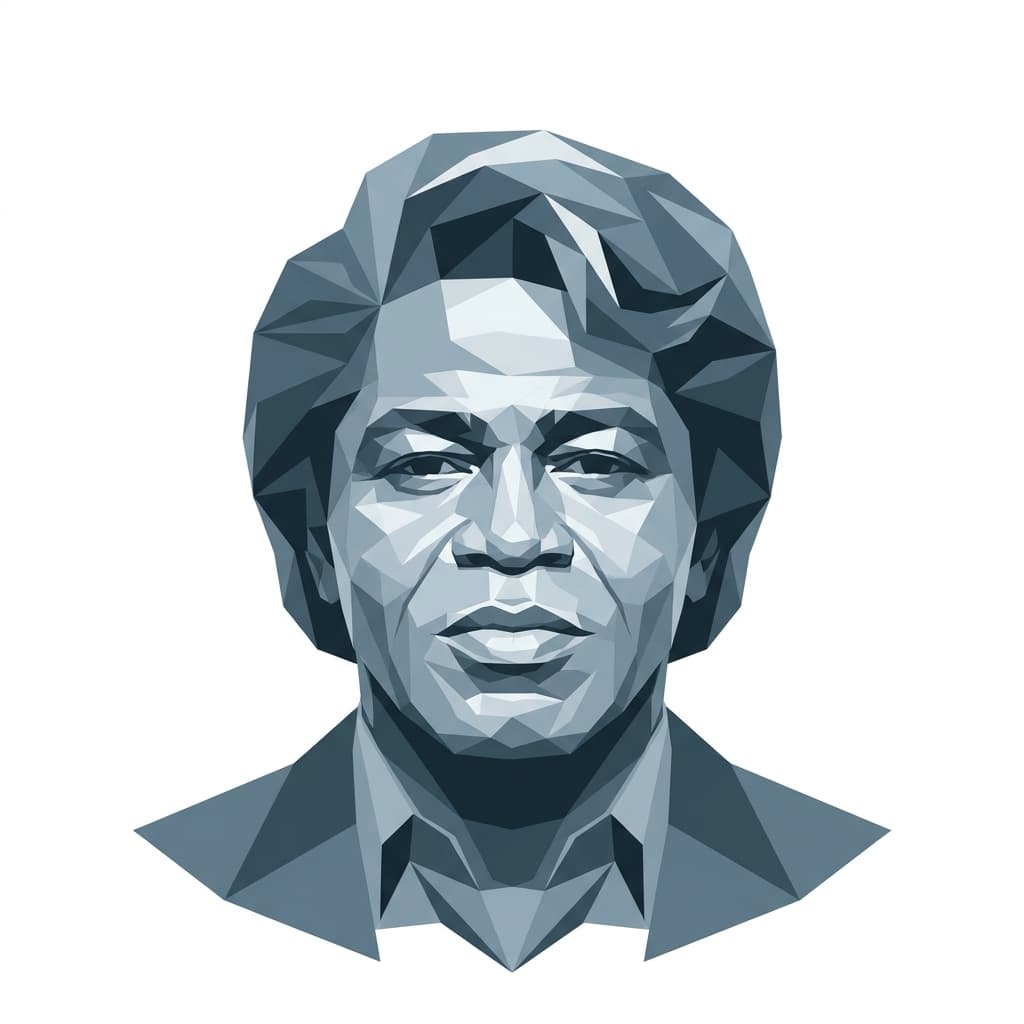
American singer-songwriter known for his operatic-pop baritone, philanthropy, and unexpectedly sharp comedic streak.
Design
- Q9.6
- h16.6
- R32.4
- g33.6
- i19.6
- S14.2
- T44.5
- U58.6
- V18.3
- W18.5
- X14.3
- Y26.6
- Z32.3
Personality
- Q37.4
- h40.4
- R26.4
- g33.4
- i19.4
- S49.2
- T30.6
- U63.6
- V18.6
- W18.5
- X14.6
- Y11.3
- Z32.4
Josh Groban is a Projector — built to be seen and called forward rather than to grind, and his entire origin story is essentially one long invitation. He was a seventeen-year-old understudy in a high school theater program when David Foster needed someone to rehearse with Celine Dion at the Grammys. He stepped in, sang "All for You," and within a few years had a recording contract, a self-titled debut, and a category of music that more or less had to be invented around him. He didn't push the door open; the right person heard him in a hallway and pulled him through it.
That entrance is textbook waiting to be recognized rather than forcing the door, and it's a pattern that repeats through his career. Foster mentored him. Rosie O'Donnell championed him on daytime television. Ally McBeal wrote him into an episode. Each time someone with a platform pointed at Groban, he showed up prepared — because in between invitations he was doing the unglamorous part: voice lessons, language coaching, hours alone with a piano. His 4/6 profile, the influential role model who builds through trusted relationships, explains why his career has been a series of long collaborations rather than chart-chasing pivots.
His instrument is a study in dedicated repetition until the craft becomes the person — he's spent decades sanding down a baritone that can move between Italian art song, Broadway, and adult-contemporary pop without sounding like a tourist in any of them. He's also a perfectionist of the productive kind, the eye that notices what could be just slightly better audible in every careful phrase ending on his records. When he committed to playing Sweeney Todd on Broadway, he didn't lean on his pop fame; he studied, lost weight, and let Sondheim's score reorganize his entire technique.
Off-stage, Groban is famously emotional — he cries easily, talks openly about anxiety, and has spoken about needing days, sometimes weeks, to sit with a big decision before signing on. That's the slow wave that has to settle before yes means yes, and it's why his pivots — into musical theater, into the Find Your Light Foundation for arts education, into producing — tend to arrive looking deliberate rather than impulsive. The Foundation itself, which funds arts programs in underserved schools, is a clean expression of the instinct to fix what's broken in a system because it matters paired with a real attentiveness to what young artists actually need to keep going.
Then there is the other Groban: the one who reads mean tweets on Kimmel, plays a hapless suitor on The Office, hosts the Tonys with Sara Bareilles, and runs a podcast where he interviews friends with genuine curiosity. That comedic register surprises people who only know the voice, but it's consistent with a mind that keeps generating new angles on the same material and a warmth that treats community as the actual point. He's built a long career by being, quietly and persistently, someone people want in the room — and then by being worth the invitation when he arrives.
Sources: biography · birth data

What do you and Josh Groban have in common?
Enter your birth details to find out