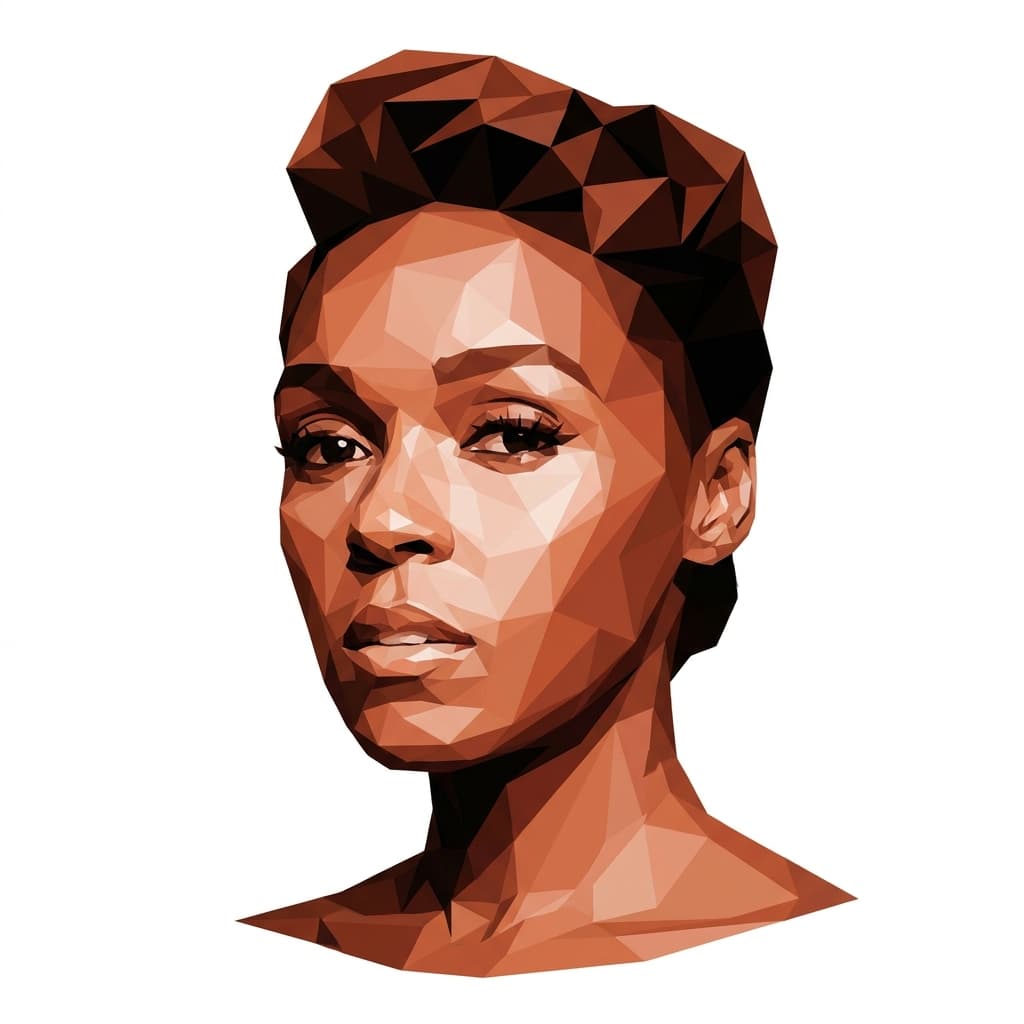
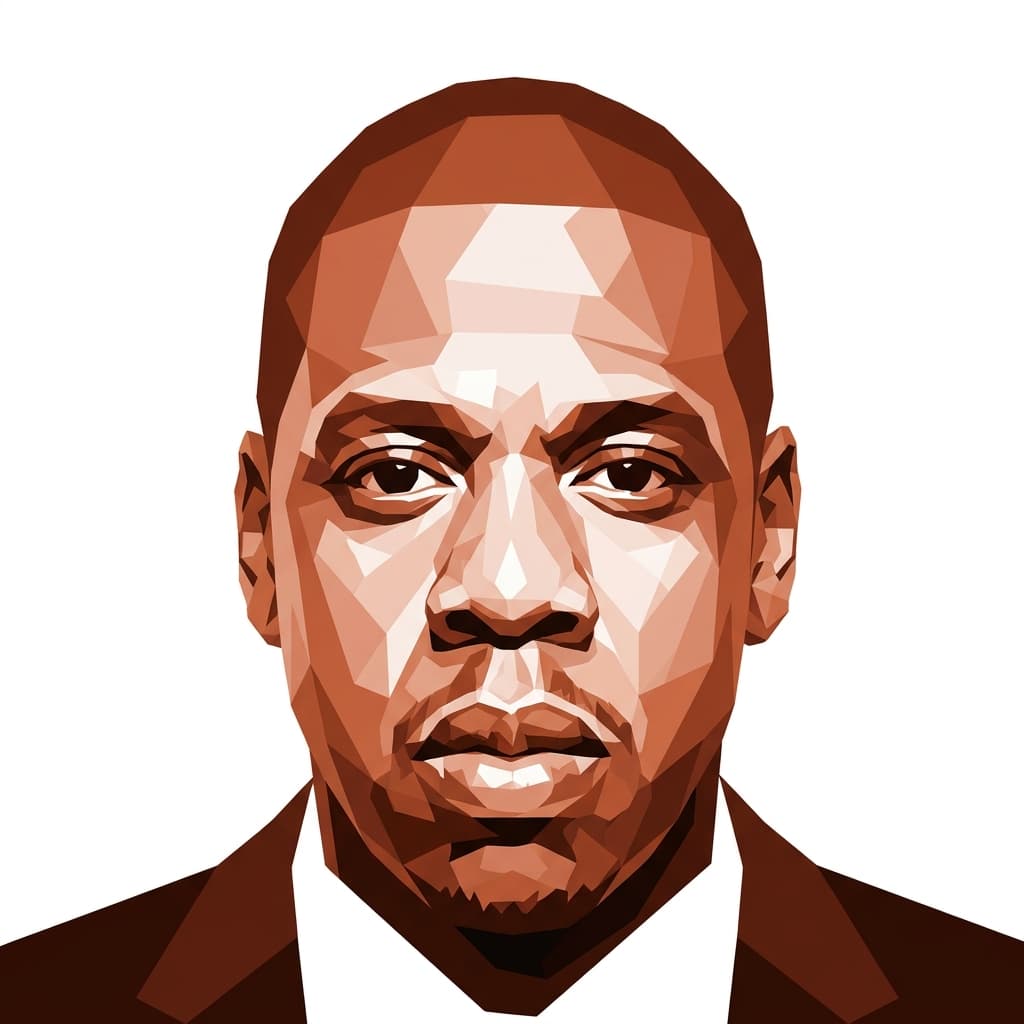
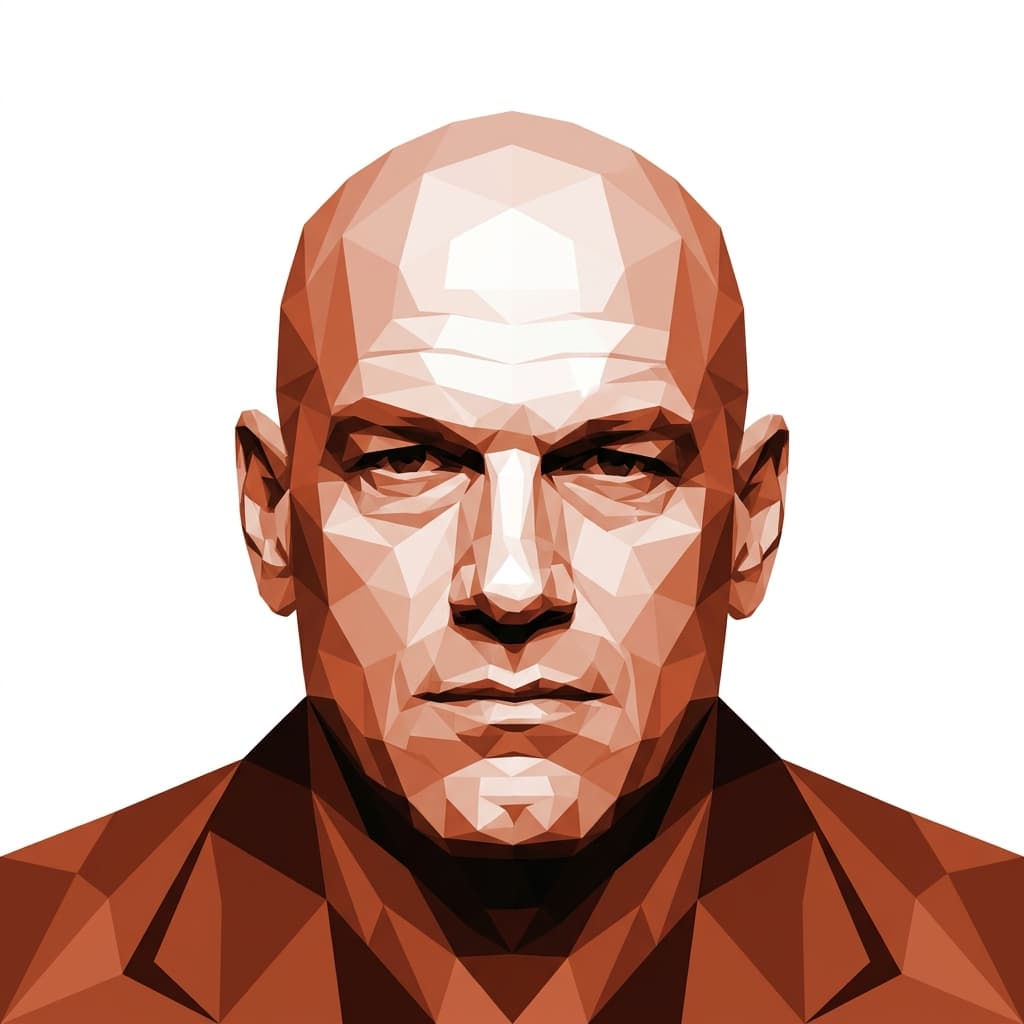
American boxing legend, Olympic gold medalist, and one of the greatest welterweights in history.
Design
- Q30.5
- h29.5
- R23.2
- g5.3
- i35.3
- S41.1
- T17.6
- U11.1
- V29.2
- W34.3
- X56.3
- Y50.5
- Z29.4
Personality
- Q8.3
- h14.3
- R40.2
- g9.3
- i16.3
- S16.3
- T52.2
- U49.2
- V4.5
- W14.6
- X56.3
- Y50.3
- Z29.2
Sugar Ray Leonard is a Generator — built with the kind of deep, renewable energy that lets a person spend twenty years inside a boxing ring and still come back for one more fight. From the moment he laced up gloves at the Palmer Park Recreation Center outside Washington D.C. as a skinny kid, his career was less about chasing greatness than about responding to what kept lighting him up: a coach who saw something, a teammate going to the gym, an Olympic team that needed a 139-pounder. He didn't talk his way into boxing. He answered when it called.
The 1976 Montreal Olympics made him a household name, but it's worth noticing how he got there: through thousands of repetitions, the unglamorous grind of mastering the same combinations until they became reflex. Angelo Dundee later said Leonard had the best fundamentals he'd ever coached. That obsessive refinement — jabs, footwork, head movement — was the kind of focus that disappears into the thing itself, the work of someone willing to do one motion ten thousand times to find the version that wins.
As a 3/5 profile, Leonard learned by getting hit. The first Roberto Durán fight in Montreal — the one he lost by going toe-to-toe instead of boxing — was a trial-and-error education broadcast to the world. Five months later in the "No Más" rematch in New Orleans, he danced, taunted, made Durán quit on his stool. That arc — get bloodied, learn publicly, come back with a solution — became his signature, and it carried the unmistakable weight of a man others looked to in a crisis. He kept choosing fights nobody thought he should take.
His decision to fight Marvin Hagler in 1987 after a three-year retirement and a detached retina is the cleanest example of his Emotional Authority at work — and its shadow. He sat with it for months, watched tapes, talked to almost no one, then committed completely. The split decision he won is still argued about, but the willingness to say yes only when he'd ridden the whole wave is what put him in that ring. He moved 12 rounds, stole moments, and walked out with the middleweight title. Then he disappeared again.
Leonard's gift outside the ropes was making the abstract texture of a fight feel like a story you'd lived — the smile, the wink, the post-fight breakdown that turned technical exchanges into drama. He understood the showman's instinct for what deserves the spotlight as clearly as he understood a left hook. The HBO booth, the endorsements, the rivalry-as-narrative with Hearns and Hagler and Durán — he wrote those scripts in real time.
The harder chapters came later: the cocaine years he admitted to, the comebacks that should never have happened, the 1997 loss to Héctor Camacho that finally closed the book. He's written candidly about the restless pull toward one more new experience, one more feeling, and about the hunger for intensity that doesn't quiet down just because the bell stopped ringing. What remains is a fighter who treated his craft as a long, public experiment — and made the experiment beautiful to watch.
Sources: biography · birth data
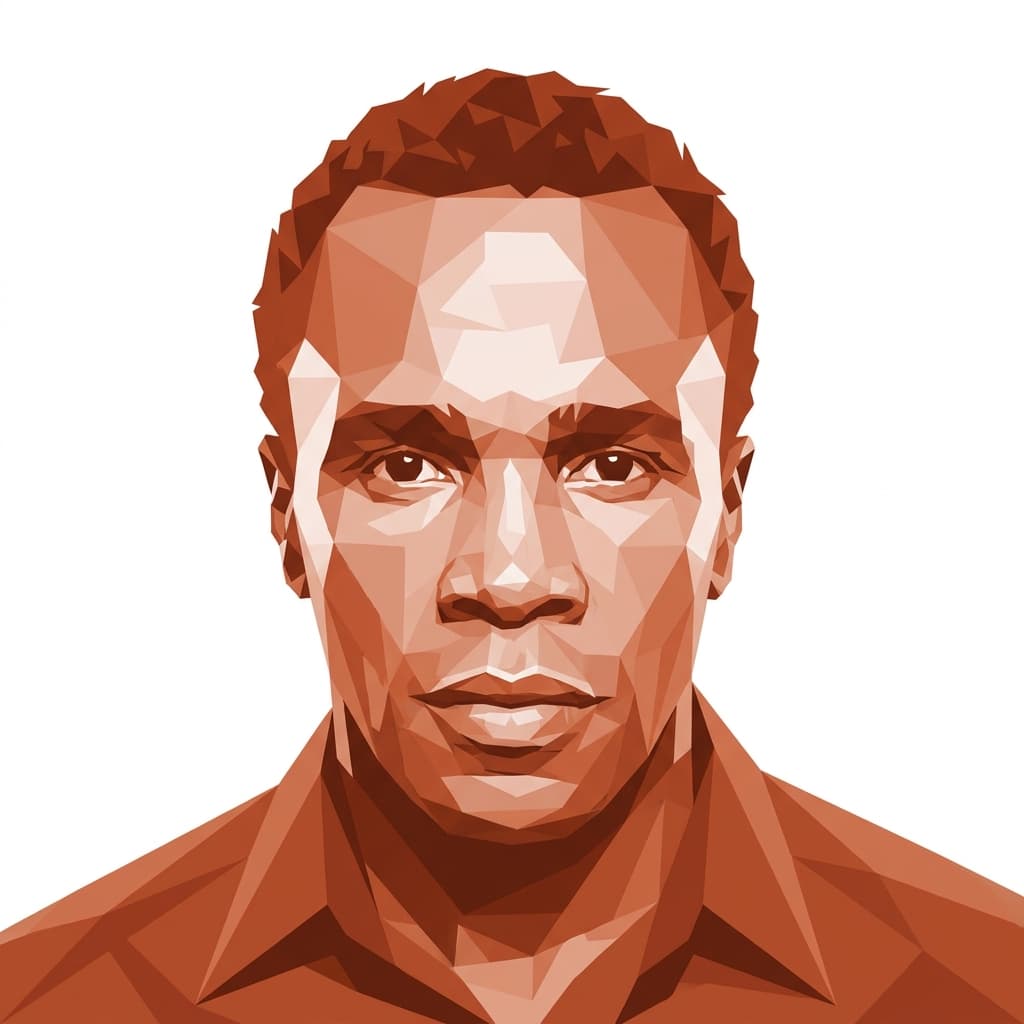
What do you and Sugar Ray Leonard have in common?
Enter your birth details to find out