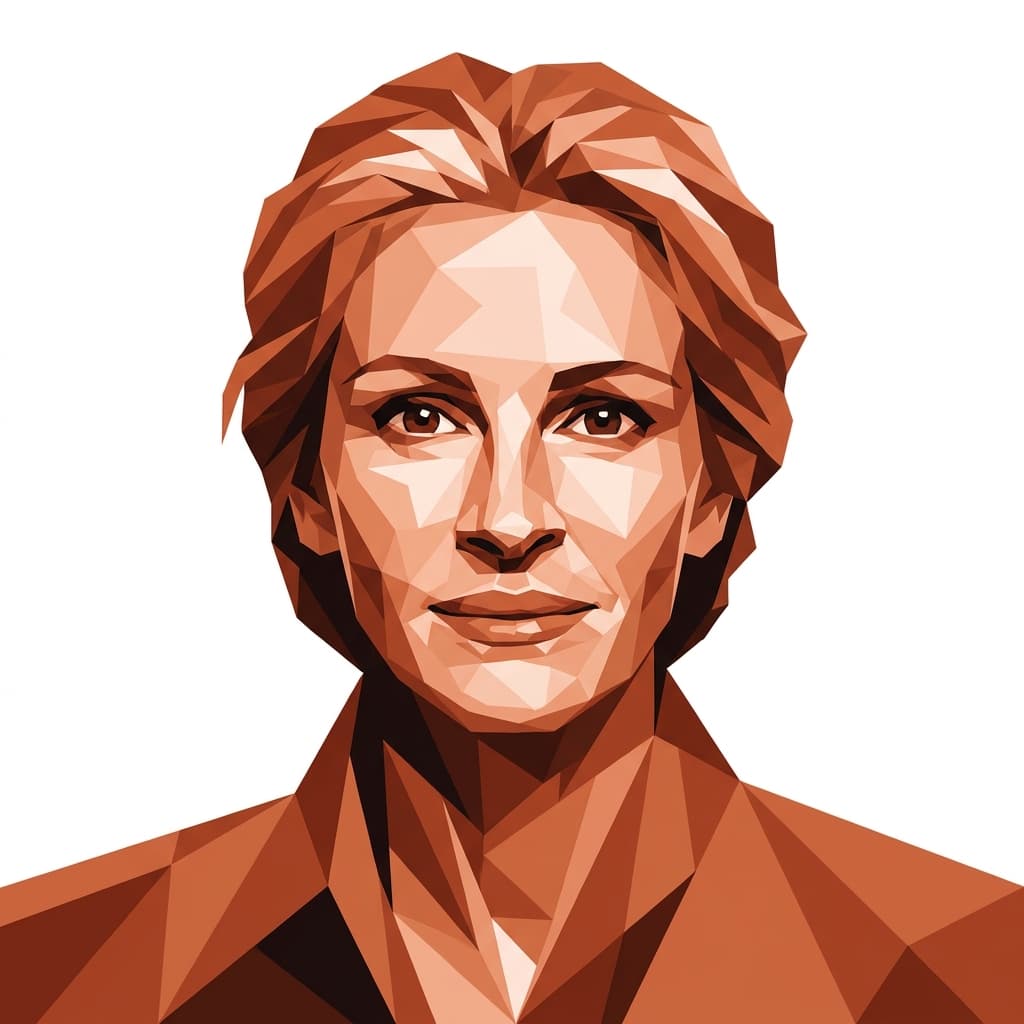
British philosopher and writer who popularized Zen Buddhism and Eastern thought for Western audiences.
Design
- Q57.2
- h51.2
- R15.4
- g55.6
- i59.6
- S44.4
- T34.1
- U44.1
- V19.6
- W15.5
- X19.1
- Y56.5
- Z15.5
Personality
- Q38.6
- h39.6
- R64.1
- g30.3
- i29.3
- S54.1
- T34.4
- U38.3
- V49.5
- W12.6
- X19.3
- Y56.4
- Z15.3
Alan Watts was a Generator — designed to sink deep into what fascinated him and let his enthusiasm do the recruiting — and his life is a long demonstration of what happens when someone follows fascination past every fence society puts up. Born in a Kentish village in 1915, he was a schoolboy obsessed with Buddhist texts before he was old enough to shave, writing pamphlets for the London Buddhist Lodge as a teenager. He never took a philosophy degree. He simply kept reading, kept responding to what lit him up, and let the credentials sort themselves out later.
His path was famously nonlinear. He became an Episcopal priest in the 1940s, then walked away from the church in 1950 after his marriage collapsed and the doctrine stopped fitting. He landed at the American Academy of Asian Studies in San Francisco, then left academia too, staking his living on lectures, radio talks, and books. That arc — priest, professor, then something stranger and more itinerant — is the shape of a 6/2 profile, where the messy first act quietly builds into the role model of the third. By the mid-1960s, students at Berkeley and monks at Tassajara were treating him as the man to consult on what the East was actually saying.
He talked for a living, and his voice was the instrument. Watts had an almost uncanny sense of when a pause landed harder than a sentence, an ear for the exact moment a word would land, and he shaped his talks like jazz solos — one long emotional arc built from tone as much as content. His storytelling was inseparable from his philosophy; he explained Zen by making abstract ideas tangible through the shape of a story, often turning his own confusions and embarrassments into the punchline that carried the teaching.
The private life was less tidy. He drank heavily, married three times, and lived on a houseboat in Sausalito surrounded by a rotating cast of friends, students, and fellow travelers. He had a real appetite for the edges of experience — psychedelics, fasting, all-night conversation, ceremonial sake — and he wrote about those extremes with a candor most of his peers wouldn't risk. Friends described decisions that arrived on their own emotional timetable, commitments made and unmade as feelings settled or refused to. He could be, by his own admission, a genuine provocateur who used discomfort as a teaching tool, needling audiences into feeling something they'd been managing to avoid.
What made his work stick was that he waited for the culture to come asking rather than crusading for converts. He wasn't a missionary for Zen; he was a man visibly delighted by it, and the delight was the argument. Underneath the wit ran a quieter, older intuition about what people were actually hungry for — permission, mostly, to stop performing and notice they were already alive. He died in his sleep in 1973 at fifty-eight, leaving twenty-five books, hundreds of hours of recordings, and a generation of readers who first learned, through him, that the point of the practice was not to become someone else.
Sources: biography · birth data
What do you and Alan Watts have in common?
Enter your birth details to find out