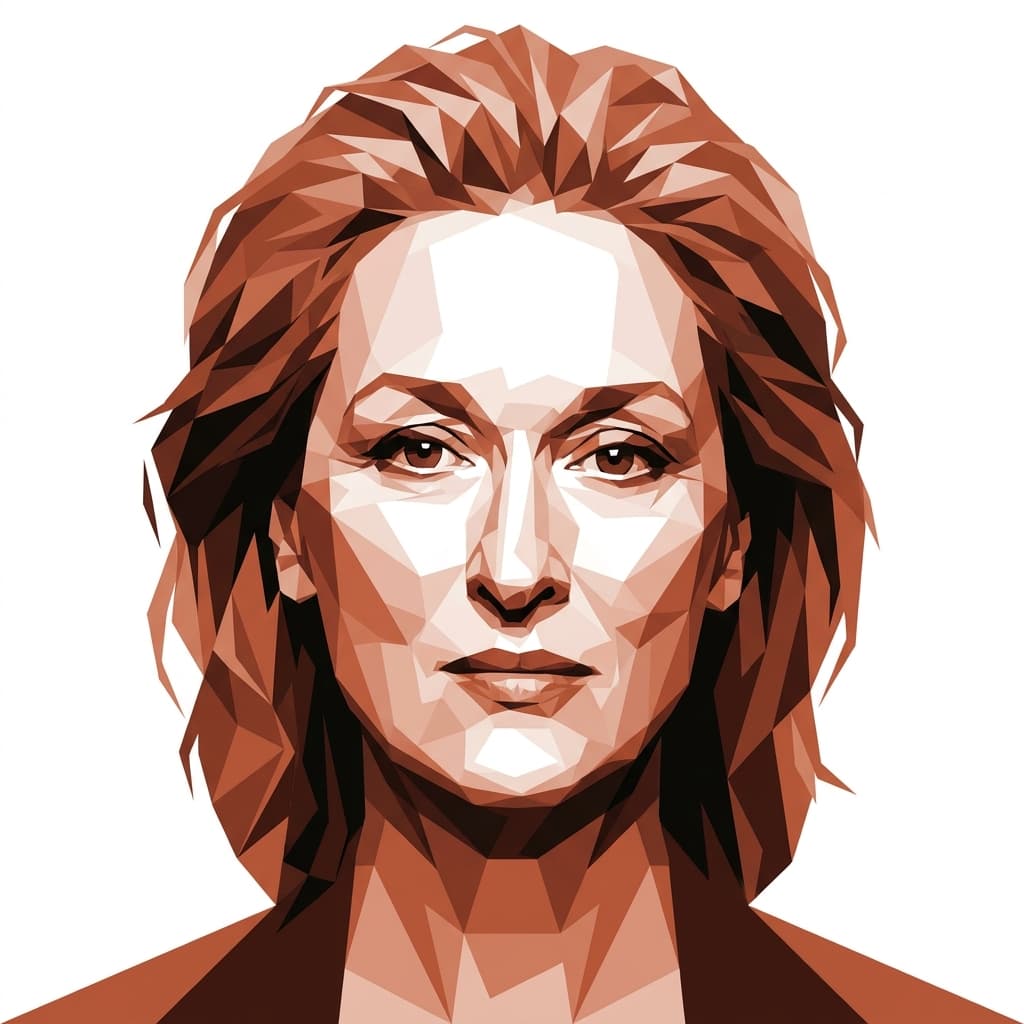
Oscar-winning American actress known for Pretty Woman, Erin Brockovich, and a defining megawatt smile.
Design
- Q31.5
- h41.5
- R24.3
- g27.1
- i28.1
- S53.2
- T64.1
- U28.4
- V7.1
- W21.4
- X47.6
- Y43.3
- Z47.3
Personality
- Q28.3
- h27.3
- R29.1
- g3.2
- i50.2
- S1.1
- T47.2
- U10.6
- V59.2
- W17.4
- X6.5
- Y43.5
- Z47.6
Julia Roberts is a Generator — built with the kind of deep, renewable energy that lets a person stay at the top of a brutally demanding industry for thirty-plus years without burning out, provided she only says yes to what genuinely lights her up. That qualifier has shaped her entire career. She has turned down vastly more films than she's made, and the ones she chose tend to share a quality of personal conviction rather than career calculation.
She broke through in Mystic Pizza and Steel Magnolias in her early twenties, then became the highest-paid woman in Hollywood after Pretty Woman — a movie nobody, including her, expected to detonate the way it did. What followed was instructive: instead of cashing in, she stepped back. She walked away from Shakespeare in Love days before shooting, pulled out of projects, took a long stretch in the mid-90s where she made smaller, weirder choices. This is classic 3/5 profile territory — the experimenter who learns by doing, gets badly burned by the projection that comes with overnight fame, and develops a hard-won instinct for which problems are actually hers to solve. The tabloid years, the called-off wedding to Kiefer Sutherland, the public missteps — she has spoken openly about them as the trial-and-error that actually built her judgment.
Her decision-making has the unmistakable rhythm of someone who sleeps on things. Friends and directors describe her taking weeks to commit, going quiet, coming back. She famously told Mike Nichols she'd do Closer only after sitting with it; she signed onto Erin Brockovich because, by her own account, she kept thinking about the woman and couldn't stop. That movie — for which she won the Oscar in 2001 — is a near-perfect expression of her gifts: a woman with unshakeable conviction about who she is taking on a corporate giant on behalf of people nobody else would fight for.
Off-screen, the through-line is family. She married cameraman Daniel Moder in 2002 and has been notably, almost stubbornly private about their three kids, raising them largely in New Mexico, far from Los Angeles. She has spoken about choosing carefully who gets close and protecting a small inner circle with real ferocity. The same instinct shows up in her long collaborations — with Nichols, with Steven Soderbergh, with George Clooney — relationships built slowly into deep working bonds rather than transactional one-offs.
She is also a reluctant leader of her generation of actresses, the figure others looked to when figuring out how to be a movie star and still have a life. She doesn't lecture about it; she just demonstrates. The long absences between films, the refusal to chase franchises, the willingness to play a tired middle-aged mother in August: Osage County or a grieving woman in Leave the World Behind — these are the choices of someone waiting for the project to actually pull her in rather than manufacturing momentum. The smile that built the brand is still there, but it shows up now on her terms, committed only when she fully means it.
Sources: biography · birth data

What do you and Julia Roberts have in common?
Enter your birth details to find out