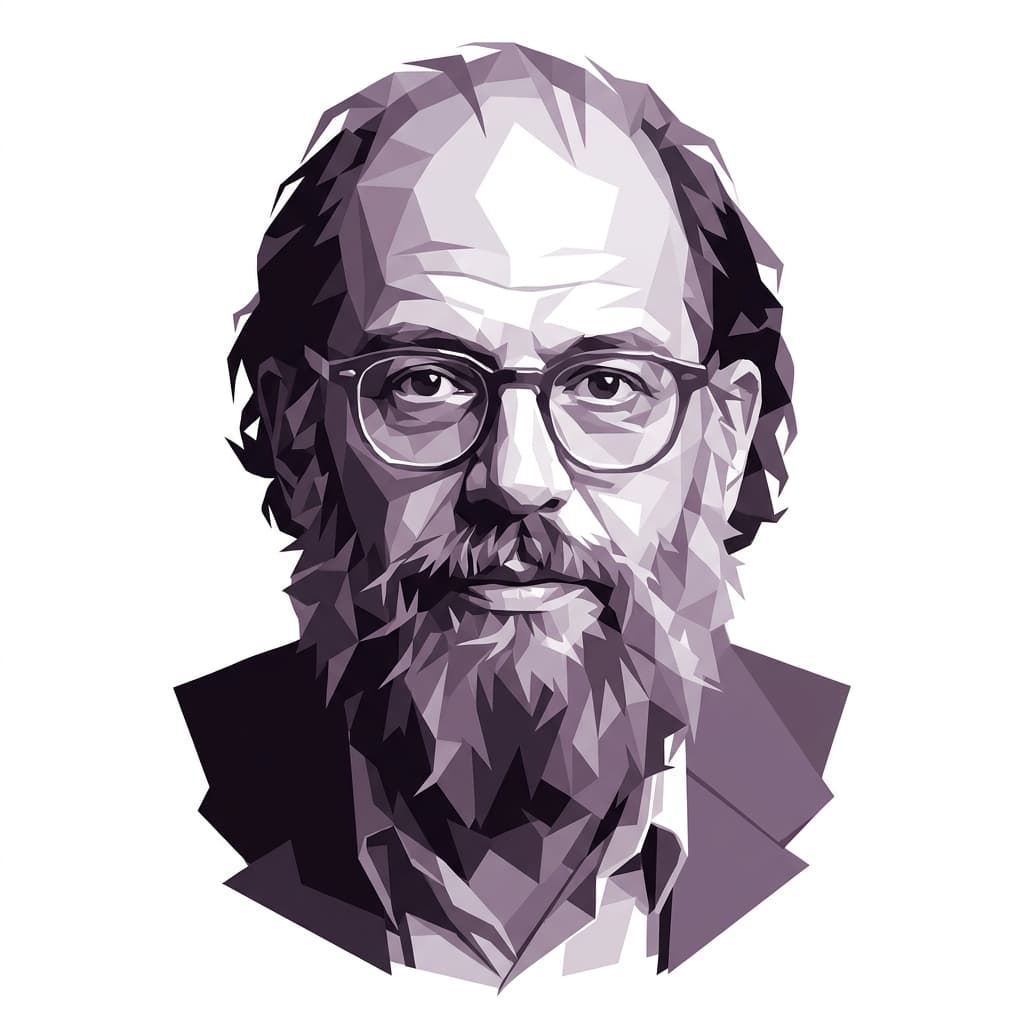
French-Algerian novelist, philosopher, and journalist; Nobel laureate who articulated absurdism and moral resistance.
Design
- Q7.4
- h13.4
- R1.5
- g36.3
- i6.3
- S33.1
- T15.6
- U16.2
- V58.6
- W35.5
- X41.4
- Y56.1
- Z15.3
Personality
- Q1.1
- h2.1
- R30.5
- g36.1
- i6.1
- S9.2
- T32.1
- U62.2
- V38.5
- W35.6
- X41.2
- Y56.2
- Z15.3
Albert Camus was a Manifestor — the kind of figure who initiates a movement without waiting for anyone's blessing, then walks away when the movement tries to claim him. Born in French Algeria to a nearly illiterate mother and a father killed at the Marne, he grew up in a two-room apartment in the working-class Belcourt neighborhood of Algiers, tubercular from age seventeen, sun-soaked, and already suspicious of any philosophy that ignored the body. By his early thirties he had written The Stranger, The Myth of Sisyphus, and Caligula — three books that essentially invented a new mood in European letters.
He did his best work by diving to the bottom of one question and then telling his people what he found. The question was always some version of: how do you live when you know life has no given meaning? He built the foundation first — Plotinus, Augustine, Nietzsche, the Mediterranean light — before publishing. And when he shared, he shared through a tight Parisian circle: Sartre, Beauvoir, the Combat newsroom, Gallimard's back offices. He was a reluctant leader whose authority came from being recognized, not from campaigning; the Resistance editorship of Combat landed in his lap because people trusted his voice, not because he angled for it.
The Camus voice on the page is a matter of self-expression pared down to something original and stark, sentences with no fat on them. L'Étranger opens with "Aujourd'hui, maman est morte" and the whole twentieth century pivots slightly. He was also a natural storyteller who made abstract ideas tangible through image and parable — Sisyphus and his rock, the plague in Oran, the fall in an Amsterdam bar. He wrote philosophy as fiction because he distrusted systems, and he distrusted systems because he had felt, in his body, the full spectrum of what it costs to be alive — poverty, illness, war, love, exile, sunlight on a beach.
His famous 1952 break with Sartre over The Rebel was pure Manifestor behavior: he stood up for what he actually believed in and refused to soften it for the room. He would not endorse Stalinist violence as a historical necessity, and he would not pretend murder was philosophy. It cost him the Left Bank. On Algeria — his home, his mother's home — he was equally out of step, refusing both French colonial denial and FLN terror; "I believe in justice, but I will defend my mother before justice." He carried the emotional weight of crises that would have flattened most people and processed them slowly, over years, in notebooks.
He needed long retreats to metabolize what he had witnessed — the sanitorium, the house in Lourmarin, walks alone. And he made decisions by sleeping on them, letting the wave pass, then acting when the water was clear. The Nobel came in 1957, when he was forty-four; he said it should have gone to Malraux. Two years later, he died in a car crash near Sens with an unused train ticket in his pocket and the manuscript of The First Man in the mud beside the wreckage.
Sources: biography · birth data
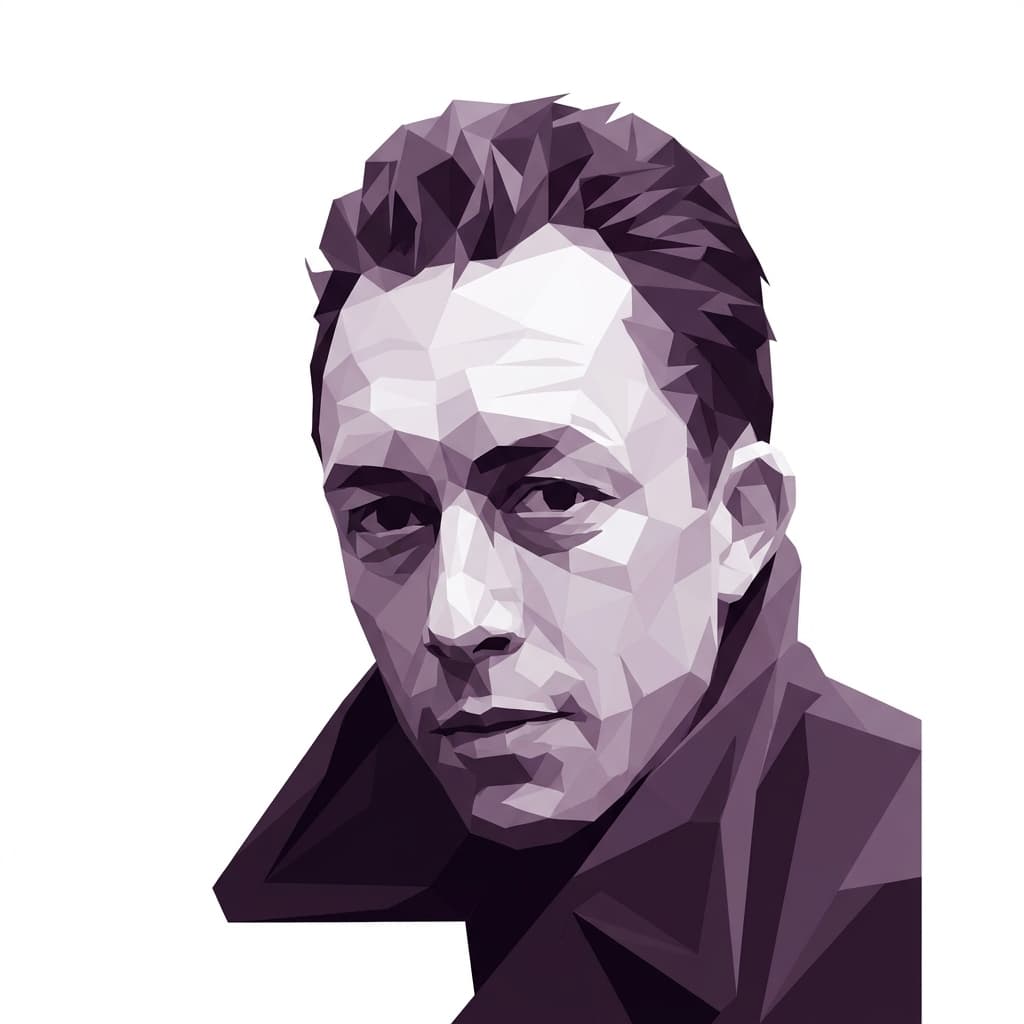
What do you and Albert Camus have in common?
Enter your birth details to find out