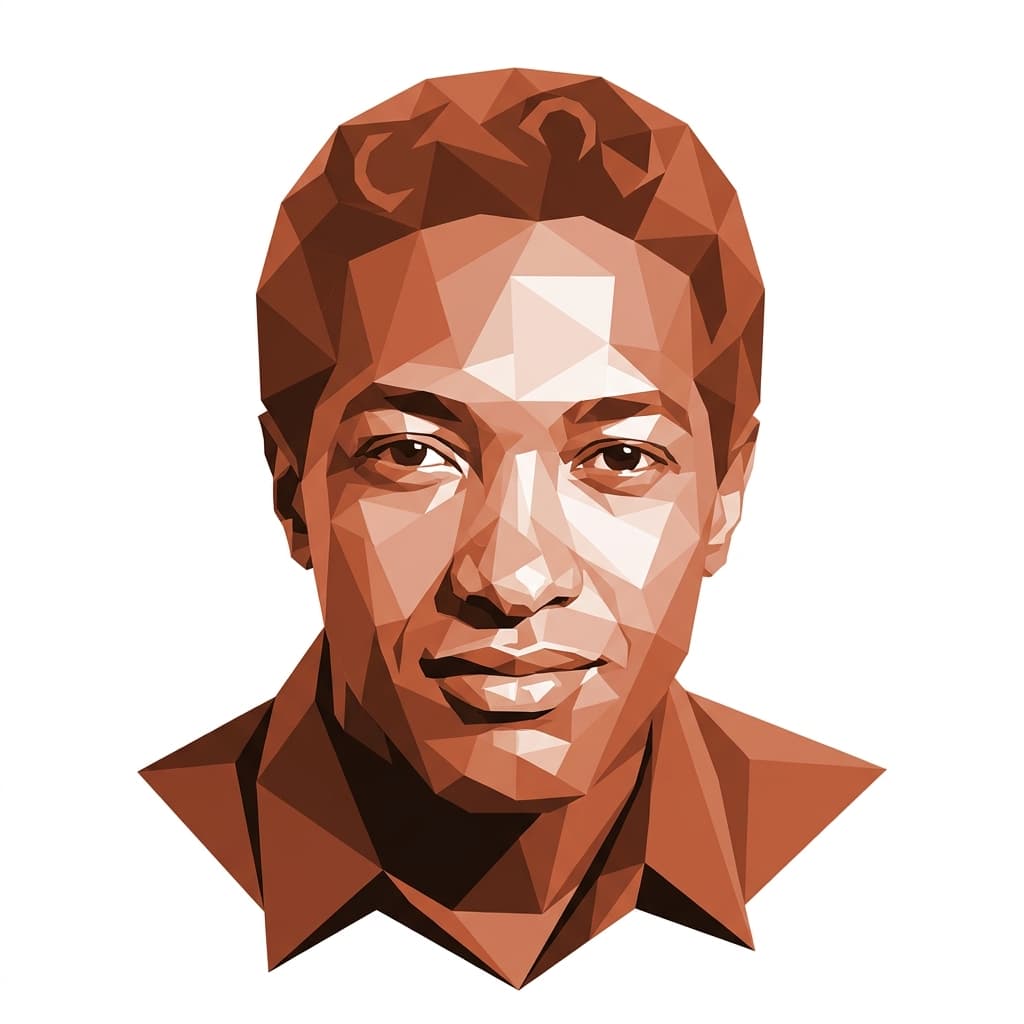
Theoretical physicist whose relativity theories transformed modern science and reshaped humanity's understanding of the universe.
Design
- Q11.4
- h12.4
- R46.3
- g41.3
- i31.3
- S38.3
- T10.1
- U14.1
- V41.6
- W36.5
- X59.5
- Y27.6
- Z8.1
Personality
- Q36.1
- h6.1
- R5.4
- g41.1
- i31.1
- S25.6
- T51.2
- U60.1
- V30.4
- W17.1
- X59.2
- Y24.1
- Z8.1
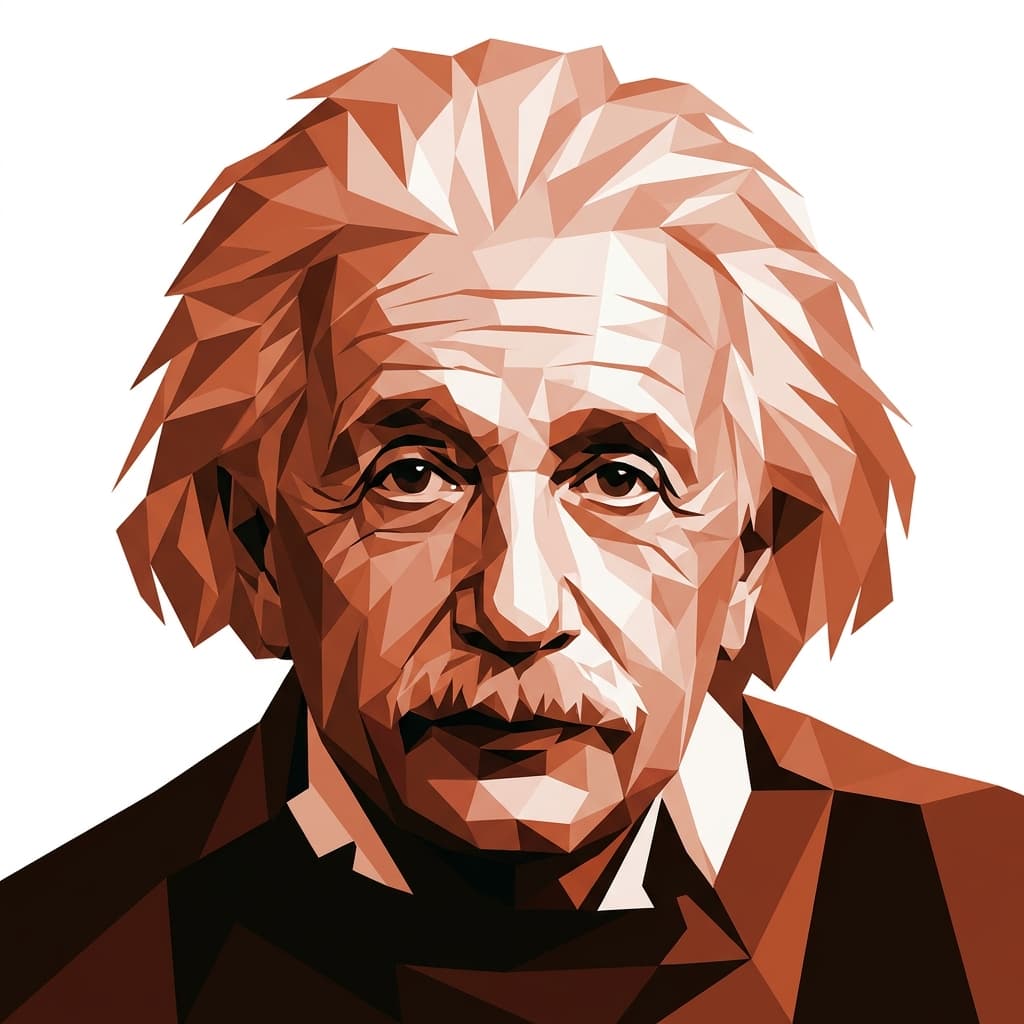
Albert Einstein was a Generator — built with the deep, sustainable energy to burrow into a single question for decades and come out the other side with something the world had never seen. He didn't produce breakthroughs by racing; he produced them by staying with problems long past the point where most people would have moved on. His famous line about not being smarter than others, only staying with problems longer, is almost a textbook description of Generator stamina applied to physics.
His 1/4 profile shaped the shape of his career: a foundational investigator who then shared through his community. Einstein spent years at the Swiss Patent Office quietly building the foundation before he ever went public, turning over the mechanics of light, time, and simultaneity in solitude. When the 1905 papers arrived, they didn't emerge from an academic committee — they emerged from a clerk who had been thinking alone. And when he finally shared, it was through personal networks: letters to Max Planck, conversations with Michele Besso, the tight circle of correspondents who then amplified his work outward.
The famous thought experiments — trains, elevators, riding a beam of light — were his native language, an endless generation of imaginative scenarios he used to test the structure of reality. But he was also stubbornly committed to opinions that could stand up to any scrutiny, refusing to publish until the logic held. He resisted quantum mechanics not out of arrogance but because his gut wouldn't let him accept a universe governed by dice — he waited, argued, waited more, and never conceded the point.
His Emotional Authority shows up in the slow arc of his public voice. Einstein was cautious about when to speak politically, and when he did — on pacifism, on Zionism, on the atomic bomb — the words landed with unusual weight because they had been held until the moment felt right. His 1939 letter to Roosevelt urging research into a nuclear chain reaction was written after years of internal deliberation; he later called it the one great mistake of his life, a decision made under the pressure of a rising evil that in calmer times he might have weighed differently. He carried the ache of standing up for what mattered even when it cost him through his opposition to McCarthyism and his advocacy for civil rights.
There was a child-like wonder he never lost, even after everything he had seen — the refugee flight from Nazi Germany, the loss of a daughter he barely knew, the weight of being the most recognizable scientist alive. He kept sailing on Long Island lakes without knowing how to swim, played violin badly and joyfully, wrote warm letters to schoolchildren. His rumpled hair, the sweaters, the refusal to wear socks became a kind of quiet insistence on being exactly himself, and the world loved him for it.
He died in Princeton in 1955, refusing surgery, having asked to work on his equations one more time. The pages by his bed were still full of the same question he had been chasing for fifty years — a rhythm of thought he had trusted his entire adult life.
Sources: biography · birth data
What do you and Albert Einstein have in common?
Enter your birth details to find out