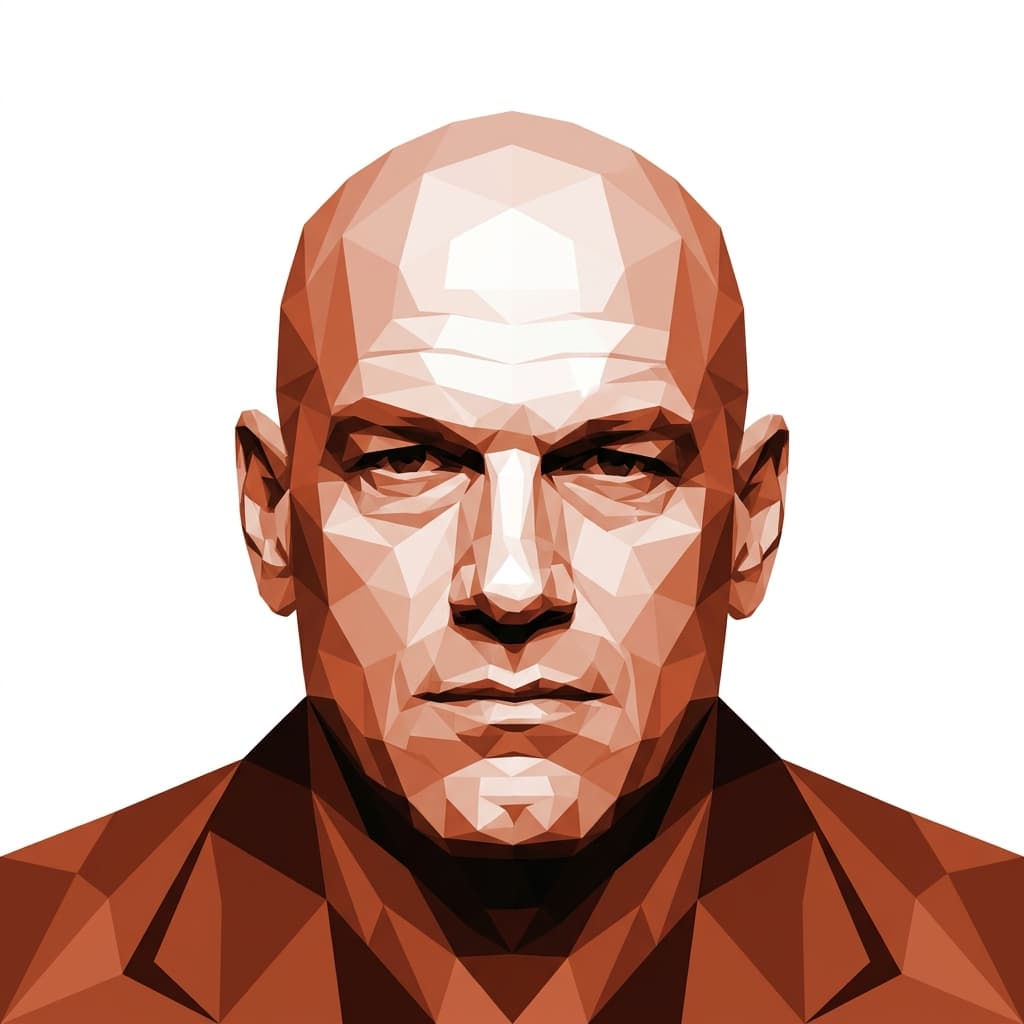
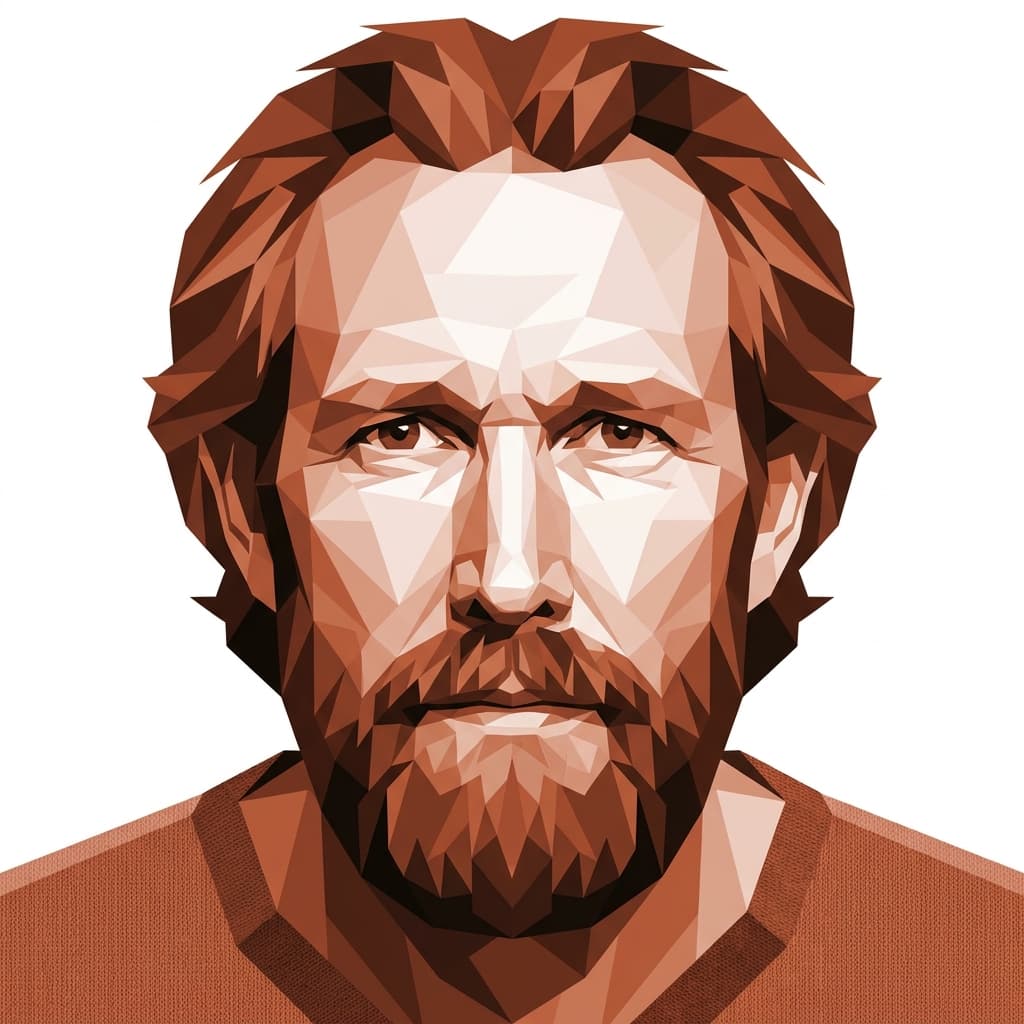
Two-time Oscar-winning actor, director, and activist known for intense performances and humanitarian work in Haiti.
Design
- Q8.3
- h14.3
- R30.4
- g47.6
- i22.6
- S8.4
- T2.5
- U17.2
- V10.5
- W54.4
- X7.5
- Y28.6
- Z59.4
Personality
- Q29.1
- h30.1
- R52.2
- g64.5
- i63.5
- S33.5
- T40.6
- U16.5
- V11.2
- W38.4
- X4.3
- Y28.5
- Z59.6
Sean Penn is a Generator — built with the deep, sustained energy to disappear into a role for months and come out the other side changed, and his career is basically a long argument for that kind of immersion. From Fast Times at Ridgemont High in 1982 through Mystic River, Milk, and the years spent directing The Indian Runner and Into the Wild, he's never done anything halfway. He picks a thing, buries himself in it, and stays until it's finished.
His 1/3 profile shows up in the way he prepares. He's the actor who spent time in San Quentin before Dead Man Walking, who lived rough for Into the Wild, who talks about acting as an ongoing experiment where every failure is fuel for the next role. Directors describe him as someone who has to understand the mechanics of a character from the ground up before he can play them, then throws himself into the material and lets the mistakes teach him what the research couldn't. He learns by getting his hands dirty.
The public Penn — the one who shows up on magazine covers scowling — is largely a story about Sacral Authority unfiltered. When something in his gut says no, the whole body follows, and he's not interested in explaining it politely. He famously feuded with photographers in the '80s, walked away from acting more than once, and picks his fights from someplace pre-verbal. What looks like temper is often just a man who refuses to override his own body's answer for the sake of a smoother interview.
The activism is where his Strategy of responding reads most clearly. He didn't set out to become a disaster-relief figure — the 2010 Haiti earthquake happened, something in him answered, and within weeks he was on the ground running J/P Haitian Relief Organization out of a tent camp above Port-au-Prince. He stayed for years. The same pattern showed up after Katrina, when he took a boat into flooded New Orleans neighborhoods himself. He responds to what's actually in front of him, then commits completely once the yes lands.
His acting voice carries a specific kind of emotional weight — the mumbled Jimmy Markum grief in Mystic River, the openhearted Harvey Milk, the reckless Sam in I Am Sam. He builds performances through obsessive, repetitive refinement of craft, which is why he can hold a close-up for what feels like an era. Off-camera, the same energy fuels a drive to be useful at scale, whether that's directing, writing for The Nation, or interviewing El Chapo in a Mexican jungle.
He's spent long stretches out of the spotlight — periods of retreat where the wisdom actually gets metabolized — before returning with a novel, a film, or another humanitarian project. The pattern is consistent: dive in, burn hot, disappear, come back with something new. For a 1/3 Generator, that rhythm isn't erratic. It's exactly how the design is meant to work.
Sources: biography · birth data

What do you and Sean Penn have in common?
Enter your birth details to find out