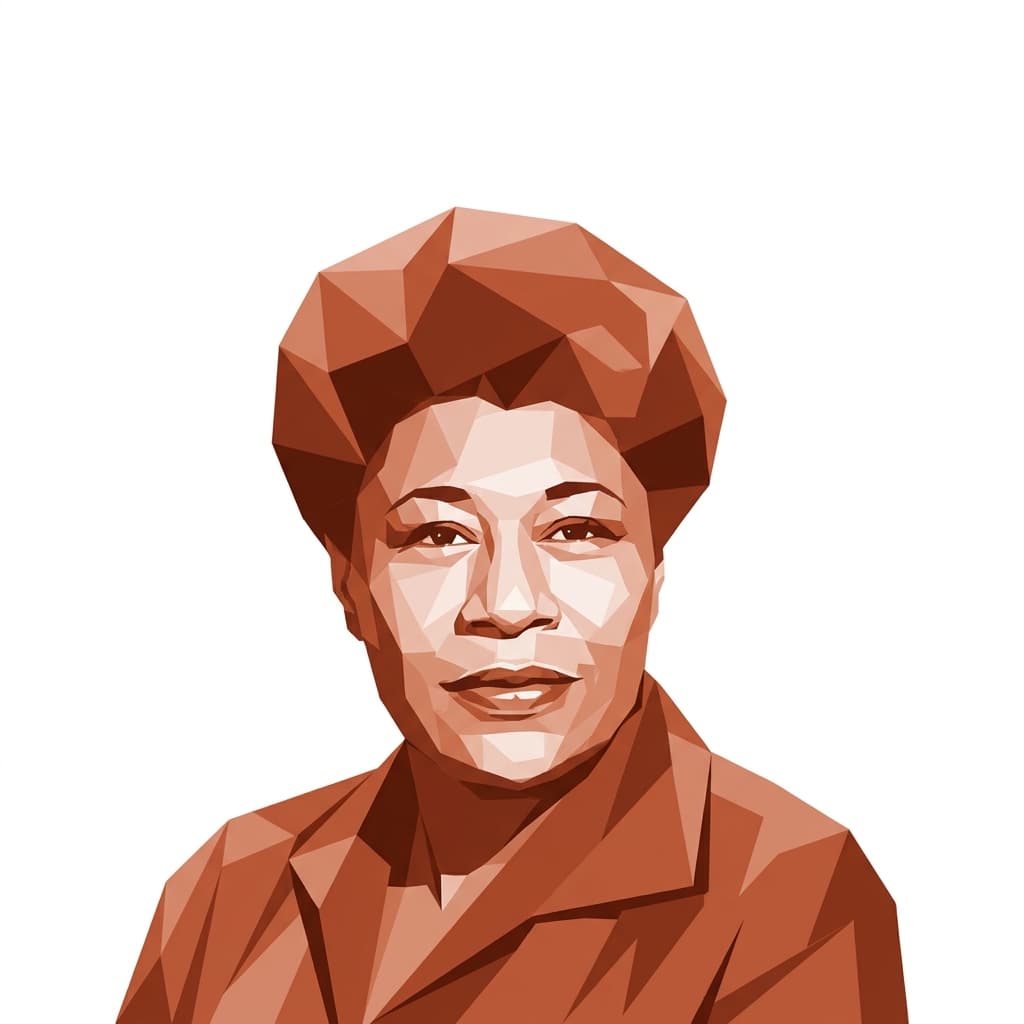
Colombian singer-songwriter, dancer, and global pop icon known for her hips, voice, and philanthropy.
Design
- Q1.3
- h2.3
- R8.2
- g28.2
- i27.2
- S1.3
- T26.6
- U43.2
- V8.4
- W7.4
- X44.1
- Y5.2
- Z48.4
Personality
- Q13.1
- h7.1
- R62.5
- g50.2
- i3.2
- S54.5
- T25.3
- U61.5
- V23.4
- W7.1
- X44.5
- Y5.5
- Z48.5
Shakira Isabel Mebarak Ripoll is a Generator — built with the kind of deep, renewable stamina that lets a person write, dance, record, tour, and raise children for thirty straight years without the engine sputtering. She wrote her first poem at four, signed her first record deal at thirteen, and has been generating since: songs, choreographies, foundations, business empires. The throughline isn't ambition for its own sake. It's that the work itself lights her up.
She's a 1/3 profile — the investigator who learns by getting it wrong first. Her early albums Magia and Peluche flopped commercially, and she has spoken openly about disowning them; Pies Descalzos only arrived after she'd studied, regrouped, and rebuilt from the foundation up. That pattern repeats across her career: deep research, a public experiment, a stumble, a recalibration. She taught herself English to break into the U.S. market and pored over Leonard Cohen and Dylan lyrics before writing Laundry Service. This is someone who needs to understand a thing all the way down before she'll put it on a stage.
Her decisions tend to arrive as a full-body yes that doesn't need a press release to justify itself. She left Sony's standard pop-machine path to co-produce her own records. She fired and rehired collaborators on instinct. She declined to perform at the 2022 World Cup in Qatar and showed up at the 2020 Super Bowl halftime show instead, sharing the stage with Jennifer Lopez in what became one of the most-watched performances in history. The strategic logic came later; the gut decision came first, and she waited until the right thing actually appeared in front of her before saying yes.
The music itself carries her insistence on being a complete original rather than a tidy market segment — Andean charango layered over Arabic dumbek, rock guitars under reggaeton, lyrics that quote Cortázar one verse and dismantle an ex-husband the next. "Las mujeres ya no lloran, las mujeres facturan" — women don't cry anymore, they cash in — became a cultural slogan because she has the rare ability to compress a complicated feeling into a line everyone can chant. Her Bzrp Session #53, written after her separation from Gerard Piqué, broke streaming records inside 24 hours. She knew exactly how to make that pain marketable without cheapening it.
She has always been a quiet student of what people actually want and where the culture is heading next, which is why her crossovers — Spanglish before Spanglish was a category, Afrobeats collaborations, TikTok choreographies — tend to land just slightly ahead of the wave. The Pies Descalzos Foundation, which she started at 18 to build schools for displaced Colombian children, runs on the same instinct in a different key: a clear-eyed sense of what her community is owed and what she's actually responsible for protecting.
Through divorce, tax battles, her father's illness, and her sons' health scares, the public Shakira has stayed remarkably open-hearted in a way that refuses to harden into cynicism. The hips don't lie, but neither, it turns out, does the rest of her.
Sources: biography · birth data

What do you and Shakira have in common?
Enter your birth details to find out