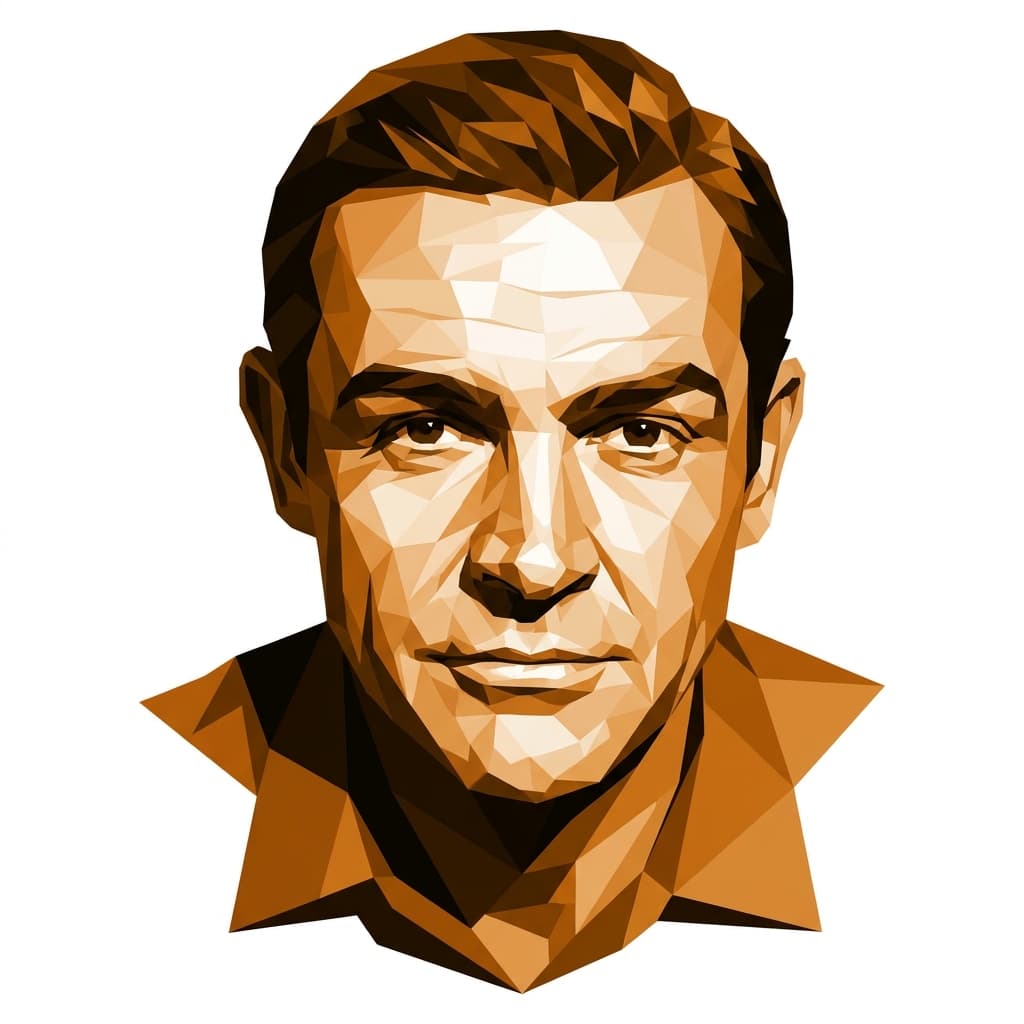
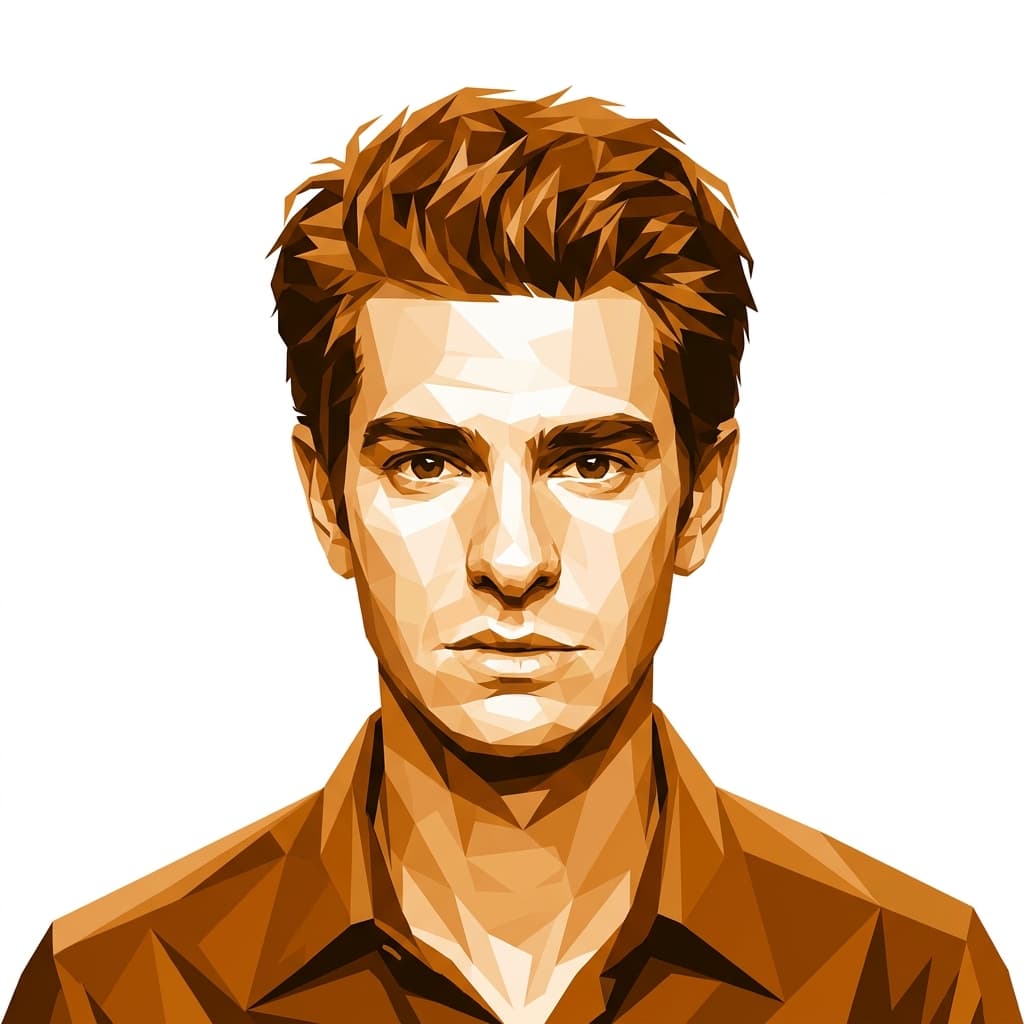
British-American actor known for Spider-Man, The Social Network, Hacksaw Ridge, and Tick, Tick... Boom!
Design
- Q8.6
- h14.6
- R47.3
- g12.3
- i11.3
- S2.5
- T39.4
- U20.4
- V9.2
- W50.3
- X9.2
- Y10.1
- Z50.1
Personality
- Q29.4
- h30.4
- R60.5
- g12.1
- i11.1
- S6.3
- T59.5
- U31.3
- V34.2
- W50.4
- X34.6
- Y11.5
- Z50.1
Andrew Garfield is a Manifesting Generator — a performer who seems to move through his craft with two speeds at once, capable of tender stillness and sudden combustion in the same scene. Born in Los Angeles and raised in Surrey, England, he trained at the Central School of Speech and Drama before landing early roles in British television and the Royal Court production of Beautiful Thing. What has always distinguished him is less a career strategy than a pattern of chasing whatever genuinely lights him up, from indie films like Boy A to Broadway's Death of a Salesman to blockbuster franchises he treated as if they were chamber pieces.
His breakthrough came opposite Jesse Eisenberg in The Social Network, where his Eduardo Saverin carried the entire emotional weight of the film — a wounded loyalty so raw it made a lawsuit feel like a breakup. That role showcased the kind of emotional depth that only lands after long processing; Garfield is famous for taking months to prepare, for weeping in interviews when a memory surfaces, for needing to sit with a feeling until it clarifies rather than performing what a scene "should" look like. He has spoken openly about grief after losing his mother in 2019, and the way Tick, Tick... Boom! became a vessel for that mourning.
As a 4/6 profile, Garfield has always worked through relationships — the same directors, the same scene partners, the same rehearsal-room families he collects and returns to. His friendships with Lin-Manuel Miranda, Ryan Reynolds, and his Under the Banner of Heaven collaborators read less like industry networking and more like investing deeply in the people who already trust him. He has become, almost against his own instincts, someone younger actors quietly study — a role model whose authority comes from having publicly stumbled through Spider-Man press tours, awards campaigns, and existential crises about fame.
The texture of his acting lives in specifics. His Jonathan Larson vibrates with a hunger for meaningful experience that borders on desperation. His Desmond Doss in Hacksaw Ridge is built from an unshakable love for his own convictions, refusing to touch a rifle while carrying wounded men through hell. His Jim Bakker in The Eyes of Tammy Faye is all nervous idea-generation spinning into theology and fraud. Even his infamous "Spider-Man: No Way Home" secret — denying involvement in interviews for a year while waiting for exactly the right moment to reveal the truth — was a performance of restraint most actors couldn't manage.
He tends to disappear between projects, retreating to spiritual practice, therapy, or long trips. When he returns, it's usually with the concentrated focus of someone who has been researching for months — Jesuit spiritual exercises for Silence, real-life FLDS survivors for Under the Banner of Heaven, Larson's actual notebooks for Tick, Tick. The through-line is a refusal to niche down, to pick a lane, to stop pivoting. Garfield keeps saying he might quit acting; he keeps not quitting. Instead, he keeps saying yes to the roles that feel like they mean something, and letting the rest fall away.
Sources: biography · birth data
What do you and Andrew Garfield have in common?
Enter your birth details to find out