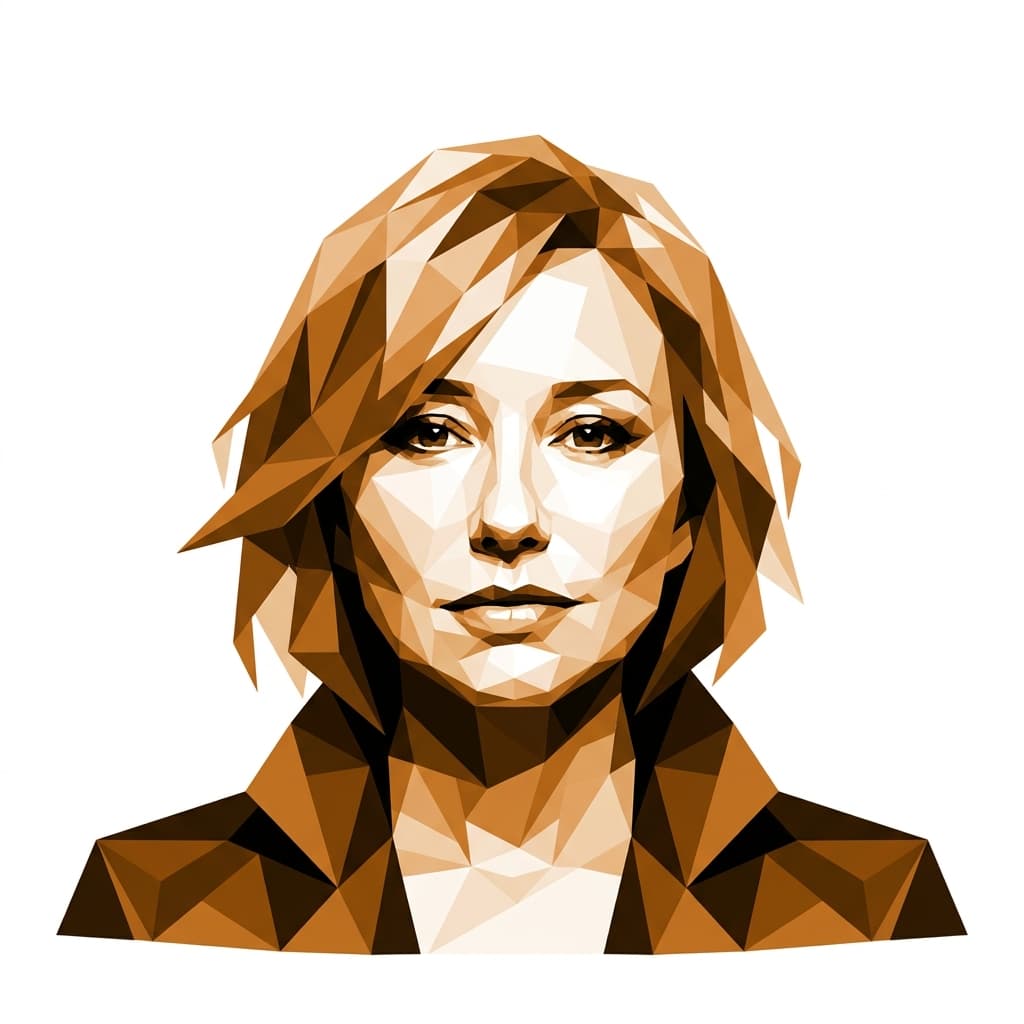
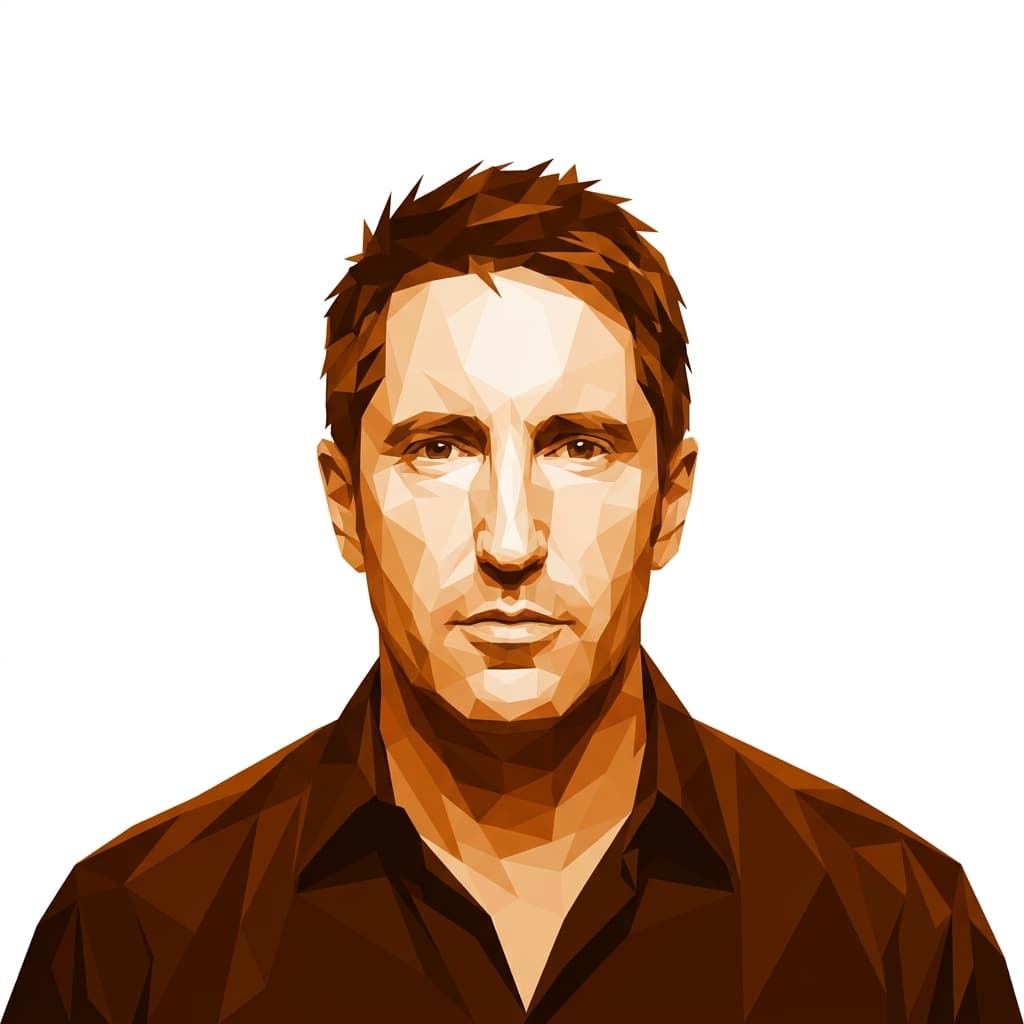
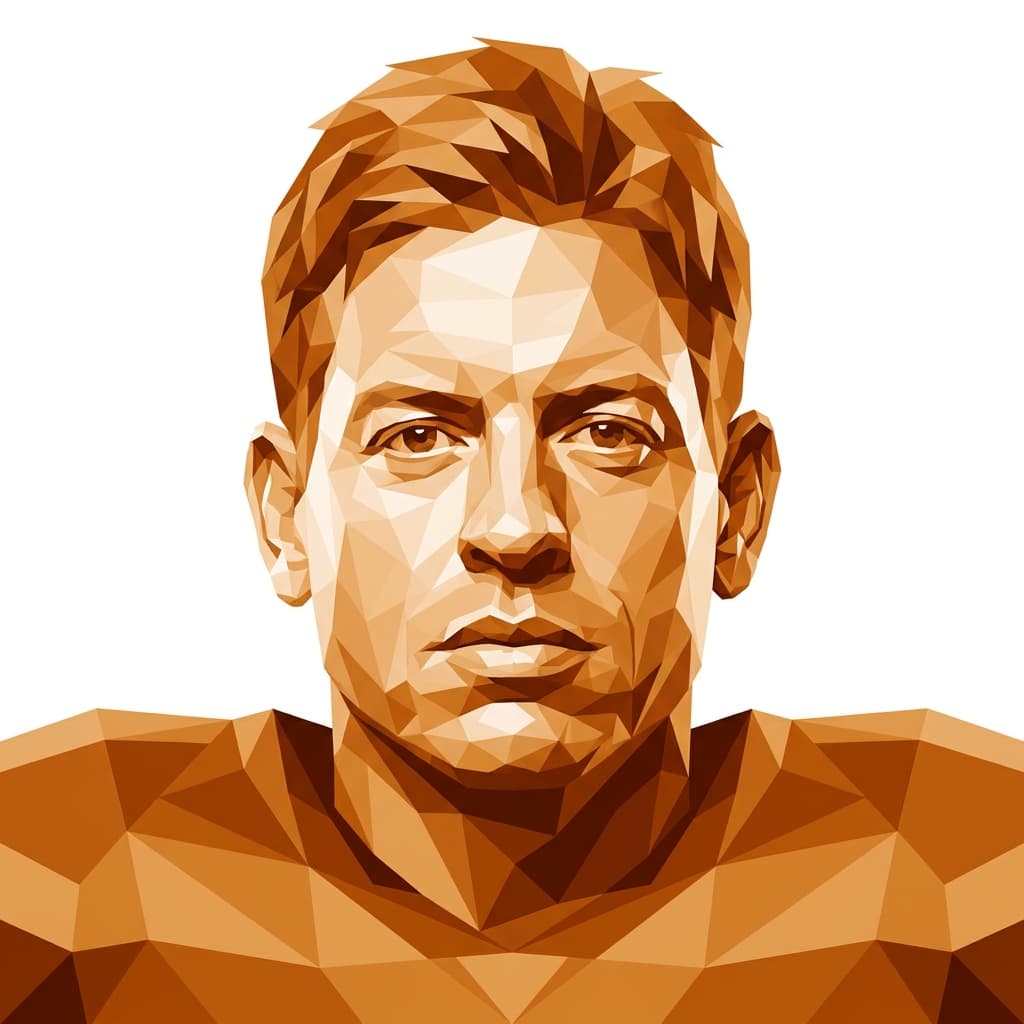
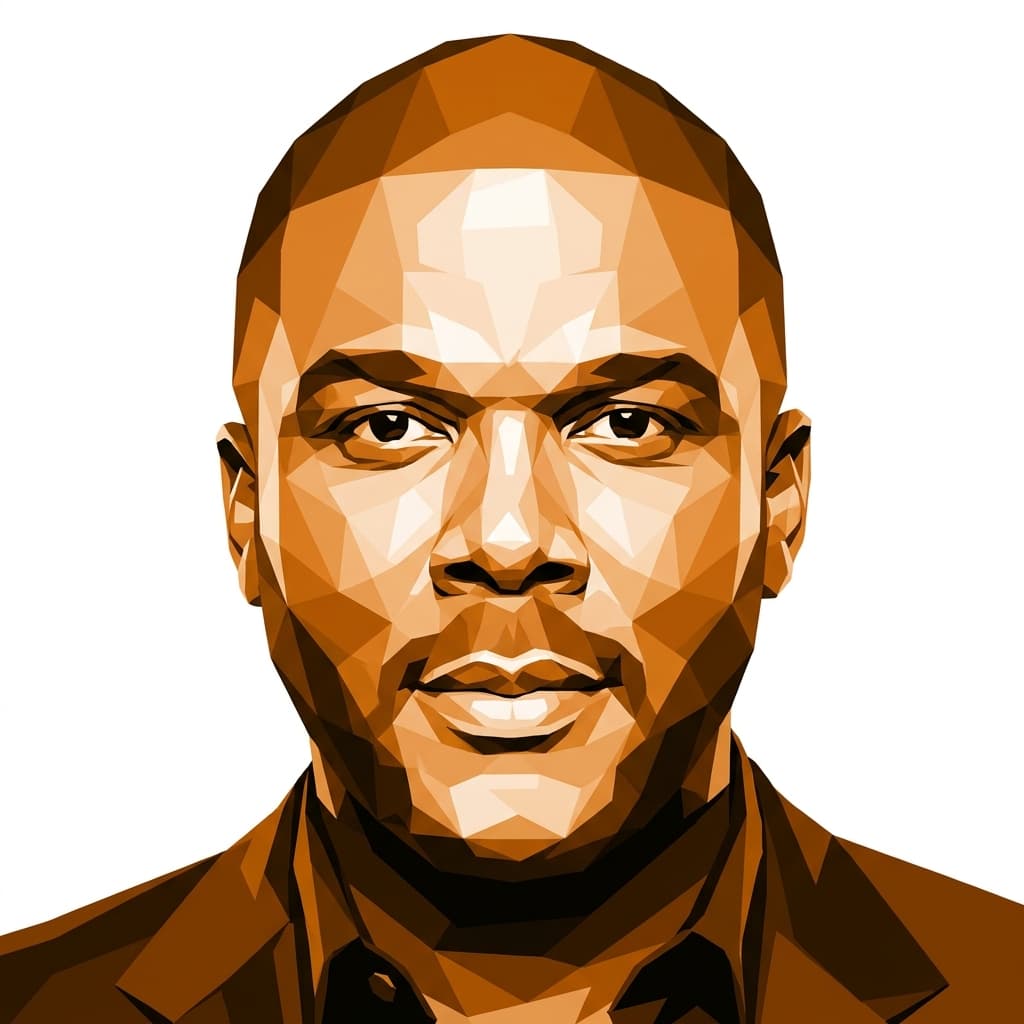
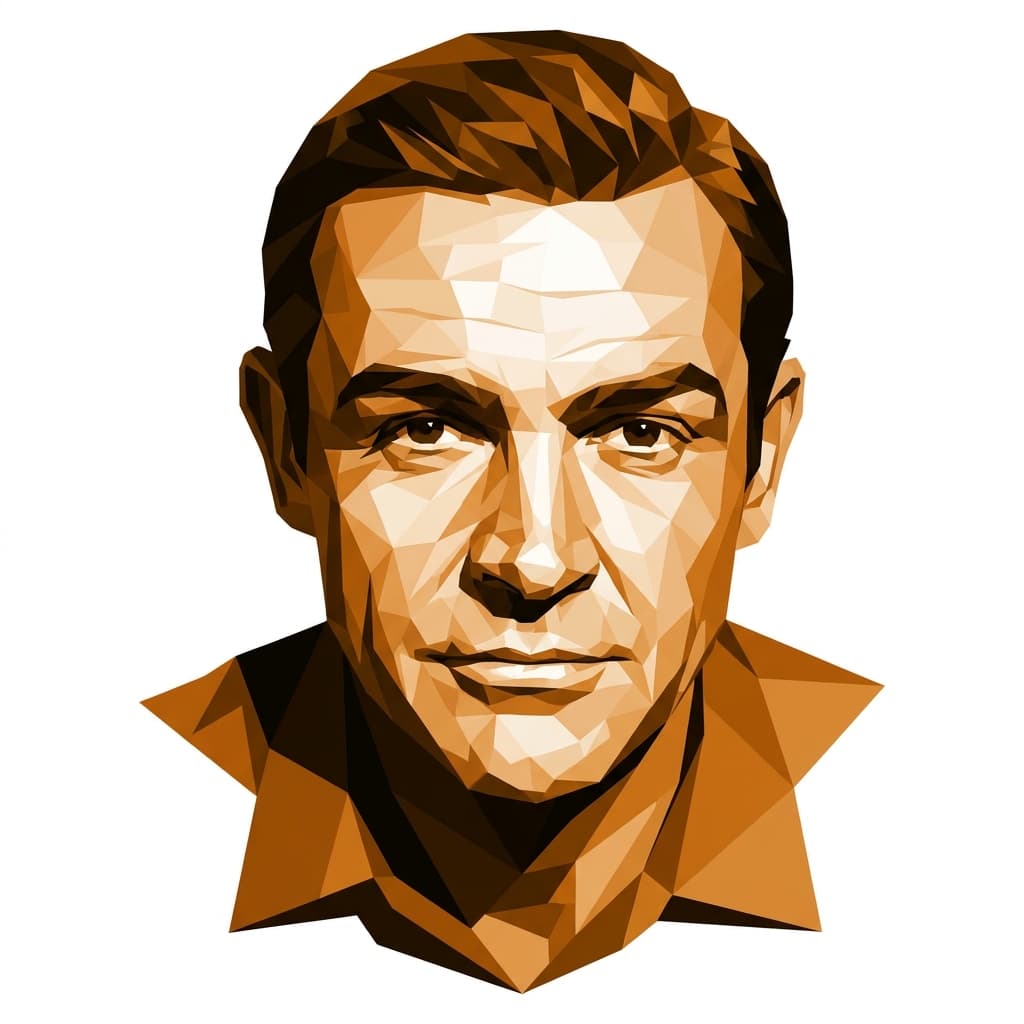
Scottish actor who defined James Bond and won an Oscar for The Untouchables.
Design
- Q20.4
- h34.4
- R3.6
- g27.1
- i28.1
- S8.2
- T15.3
- U42.4
- V12.1
- W38.2
- X21.5
- Y59.1
- Z53.4
Personality
- Q59.2
- h55.2
- R6.2
- g42.5
- i32.5
- S46.1
- T57.3
- U15.1
- V39.4
- W58.2
- X21.6
- Y59.4
- Z53.6
Sean Connery was a Manifesting Generator — a working-class Edinburgh milkman who tried on lives (Royal Navy sailor, coffin polisher, artist's model, bodybuilder, footballer good enough to be scouted by Manchester United) before something in his gut finally said yes to acting. He didn't plan a career so much as respond to what showed up, and when the right thing landed — a stage tour of South Pacific, a screen test for an unknown spy franchise — he moved on it fast.
The Bond role in 1962 changed everything, but Connery's relationship to it was never simple. He played 007 with the kind of physical certainty that read as danger — the walk, the tuxedo, the way he could hurt someone between martinis — while privately chafing at the producers, the press, the endless machinery. By You Only Live Twice he was done, and he said so publicly with a bluntness that provoked exactly the arguments it intended to. He walked away, came back once for money and once for spite, and then walked away for good. The niche the world wanted him to occupy forever, he refused to occupy at all — classic restlessness for the next thing over the safe thing.
His 2/4 profile — the hermit who nonetheless attracts opportunity through a tight circle — fit him almost too well. He spent decades based in the Bahamas and Marbella, golfing, reading, staying out of Hollywood, and yet the roles kept finding him through the same handful of directors and friends who understood him: Sidney Lumet, John Huston, Michael Caine, later Spielberg and Van Sant. He didn't audition; he was invited. The work that meant most to him — The Man Who Would Be King, The Hill, The Name of the Rose — came out of relationships that had built up quietly over years.
He was famously particular about scripts and famously immovable once he'd decided. Emotional Authority in a man who looked that decisive is an interesting thing: colleagues described him taking his time, sleeping on it, then arriving with a settled answer nobody could budge. He turned down The Lord of the Rings after months of consideration because, he said, he didn't understand it — a decision he later shrugged at rather than regretted. When he did commit, he committed completely, bringing a warrior's stubbornness to the causes and roles he chose, including a lifelong, sometimes controversial devotion to Scottish independence.
The Oscar for The Untouchables in 1988 came at 57, playing a beat cop who mentors Kevin Costner — a role that traded on his gravity rather than his youth, and which he inhabited with the kind of presence that made silence feel like the loudest thing in the room. He kept working through the nineties — The Hunt for Red October, The Rock, Finding Forrester — choosing projects with a nose for what would age well and what wouldn't, then quietly retired after The League of Extraordinary Gentlemen in 2003 rather than keep chasing parts. He spent his last years in the Bahamas, largely private, closing the cycle on his own terms and refusing every offer to come back. He died there in 2020.
Sources: biography · birth data
What do you and Sean Connery have in common?
Enter your birth details to find out