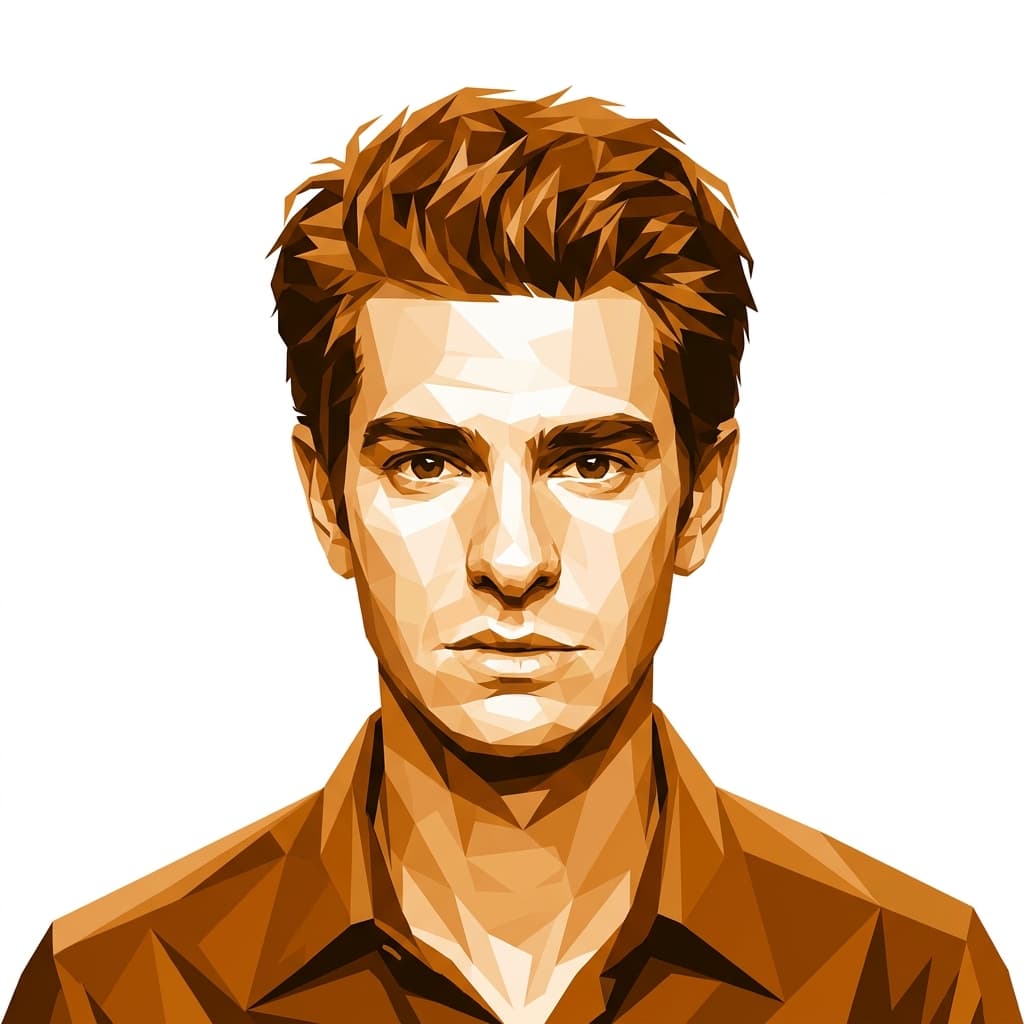
Bollywood superstar and film producer whose four-decade career redefined Indian cinema's global reach.
Design
- Q33.5
- h19.5
- R44.1
- g35.1
- i5.1
- S29.6
- T40.6
- U57.6
- V12.1
- W63.6
- X64.2
- Y1.5
- Z64.4
Personality
- Q44.2
- h24.2
- R13.4
- g20.6
- i34.6
- S14.6
- T11.4
- U26.5
- V15.3
- W37.6
- X47.2
- Y43.1
- Z47.1
Shah Rukh Khan is a Manifesting Generator — built to run several careers in parallel and skip the steps other people insist are mandatory. He came to Bombay from Delhi in 1991 with no film pedigree, no godfather, and a dead father he was still grieving. Within four years he was the biggest star in India. The compression of that timeline is the whole tell: he was never going to climb the ladder rung by rung when he could see the top from the bottom.
His early roles were the kind most leading men refused. Playing the obsessive stalker in Baazigar and the psychopath in Darr was a gamble that would have ended a conventional hero's career, but Khan has always trusted the gut yes on things that look wrong on paper. Those villain roles unlocked Dilwale Dulhania Le Jayenge in 1995, and suddenly he was Raj — the romantic template Indian cinema would spend the next twenty years imitating. He'd found a way to be the outsider everyone projects the solution onto, a Delhi boy with no film family who somehow embodied the NRI dream better than anyone born into it.
What made him magnetic on screen wasn't classical technique — it was the ability to be unmistakably himself in every frame, stammering, hands fluttering, eyes wet. He read the exact half-second when a line should land or hang, and audiences learned to wait with him. The Raj-and-Rahul persona wasn't a character so much as a fresh way of being a leading man that nobody had written yet — vulnerable, verbose, unafraid to cry. He rewired what Indian masculinity was allowed to look like on a movie poster.
Off camera he built Red Chillies Entertainment and became one of the first Indian stars to run his own production house, VFX studio, and cricket franchise simultaneously. This is where the persuader who can sell what he actually believes in showed up — the endorsement empire, the IPL team, the willingness to be the face of a hundred brands without ever seeming cheapened by it. He is also a famously committed employer and family man, keeping the same core crew for decades, and openly devoted to a marriage and three children that he protects from the noise.
The late-career stretch has been the interesting one. After the 2018 flop of Zero he essentially disappeared for four years — no film releases, minimal public appearances, the retreat that lets a public person become a person again. When he came back in 2023 with Pathaan, Jawan, and Dunki in a single year, the returns were absurd. The break had done what breaks do for people wired this way: it let the emotional weather settle before the next big yes. His Mannat balcony ritual — waving nightly at fans gathered outside his Bandra home — remains one of the most oddly moving fixtures in Indian public life, a small repeated gesture that anchors millions.
At sixty he is still the last of the movie stars in a country that no longer quite makes them.
Sources: biography · birth data
What do you and Shah Rukh Khan have in common?
Enter your birth details to find out