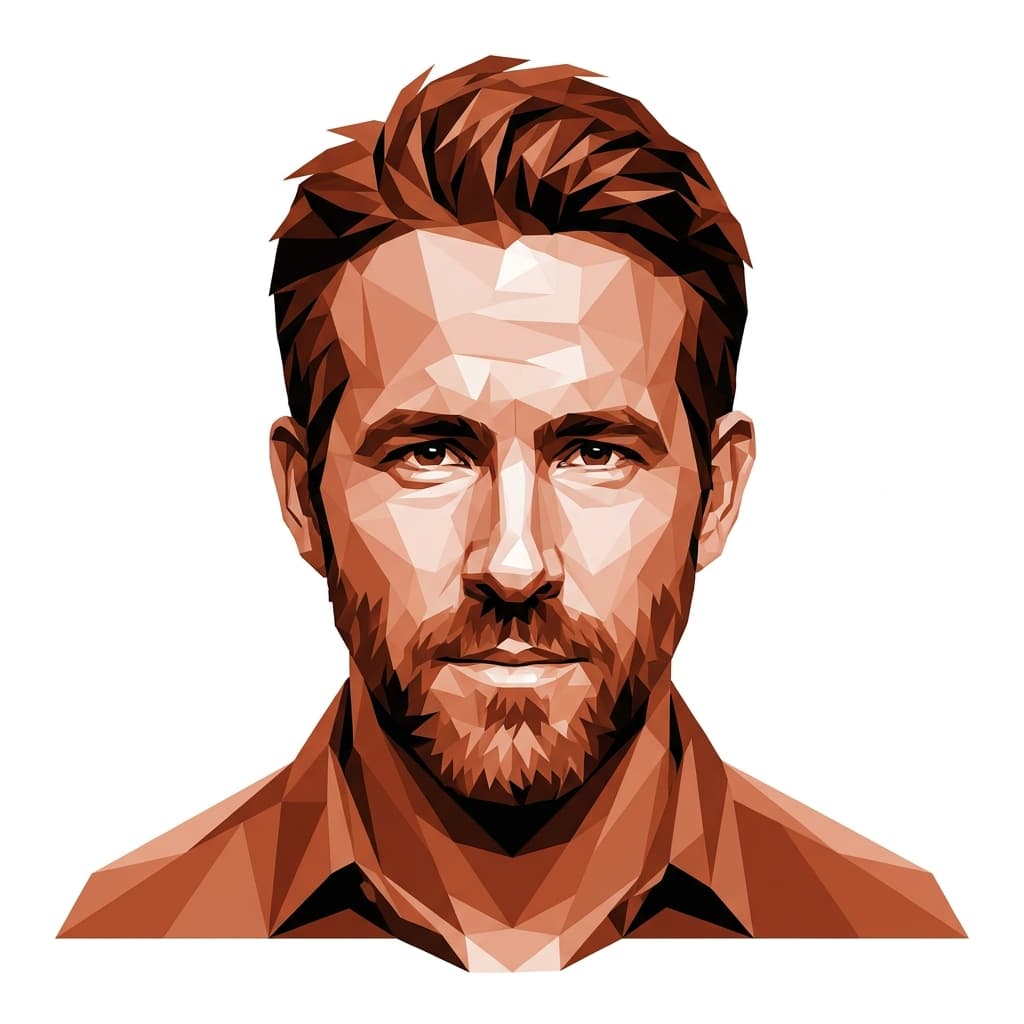
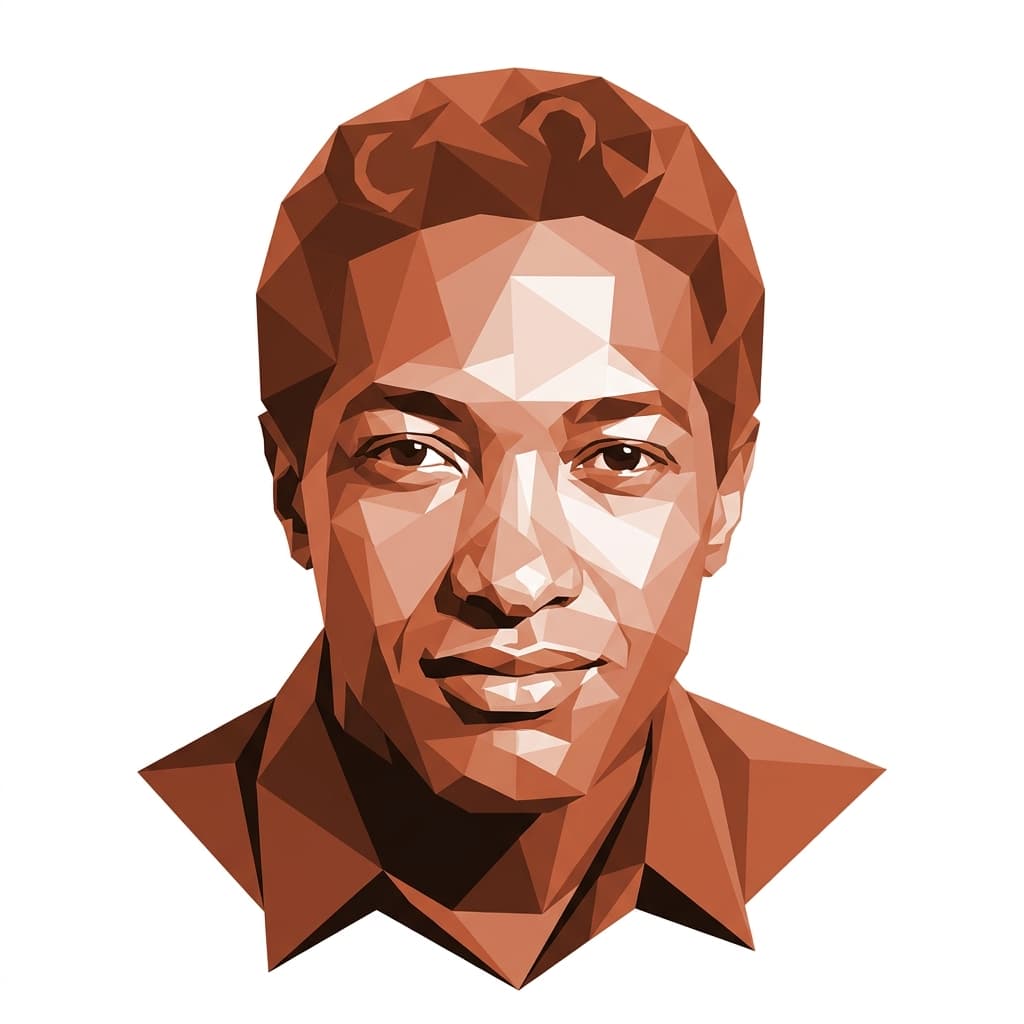
American singer who fronted the Go-Go's before launching a hit solo career in the 1980s.
Design
- Q8.3
- h14.3
- R2.6
- g50.6
- i3.6
- S3.6
- T21.5
- U63.5
- V32.3
- W11.2
- X33.1
- Y28.1
- Z29.6
Personality
- Q29.1
- h30.1
- R18.2
- g32.4
- i42.4
- S59.5
- T31.1
- U2.4
- V50.1
- W26.3
- X33.6
- Y28.1
- Z59.2
Belinda Carlisle is a Generator — built with the stamina to sing night after night, tour cycle after tour cycle, and keep showing up long after the initial spark that put her on stage in 1978. Her career has the shape of someone who followed what lit her up and stuck with it, even when the path zigzagged from Hollywood punk clubs to arena pop to a quiet second act singing in French from a house in the south of France.
She was not a trained musician when she joined the Go-Go's. She was a Valley girl who'd briefly drummed for the Germs under the name Dottie Danger, said yes when Jane Wiedlin and Charlotte Caffey invited her to sing, and figured it out from there. That's a 1/3 profile at work — the investigator who learns by doing, treating every misfire as raw material rather than a verdict. The Go-Go's became the first all-female band writing and playing their own instruments to top the Billboard album chart, and Carlisle was out front, magnetic in a way that didn't need explaining.
The band's collapse in 1985 was messy — cocaine, exhaustion, the interpersonal fractures that come when five people share a van for years. Carlisle's solo pivot the following year could have flopped. Instead "Mad About You" hit the Top 5, and "Heaven Is a Place on Earth" went to number one worldwide in 1987. She knew, in her gut, when a song was the one, and she chose material — often from outside writers — with an ear for what could carry. Her instinct for what would actually work and what wouldn't last shaped a run of hits that outsold anything the Go-Go's had done.
Behind the videos and the MTV rotation, she was struggling. She has been unusually candid about the pull toward experiences that promised depth and delivered chaos — three decades of addiction, hidden from most of the people around her, ending with sobriety in 2005. Her 2010 memoir Lips Unsealed is not a victory-lap book. It's a 1/3's document: here is what I broke, here is what I learned, here is the foundation I actually stand on now. She wrote it, she said, mostly to make sense of it for herself.
Since then she's lived largely in France and Bangkok, released an album of French chanson covers and one of Gurmukhi mantras — projects that had zero commercial calculus and everything to do with what interested her. She reunited with the Go-Go's for tours and a 2021 Rock and Roll Hall of Fame induction, showing up for the band she helped build because some commitments deserve to be seen through. She's also been a longtime animal-rights advocate, running a foundation for stray dogs in India — the same instinct to protect what she's decided is worth protecting that showed up when she fought, quietly and for years, to keep the Go-Go's catalog and legacy intact.
The through-line is a woman who kept saying yes to what genuinely moved her, including when what moved her was walking away from the machine that had made her famous.
Sources: biography · birth data

What do you and Belinda Carlisle have in common?
Enter your birth details to find out