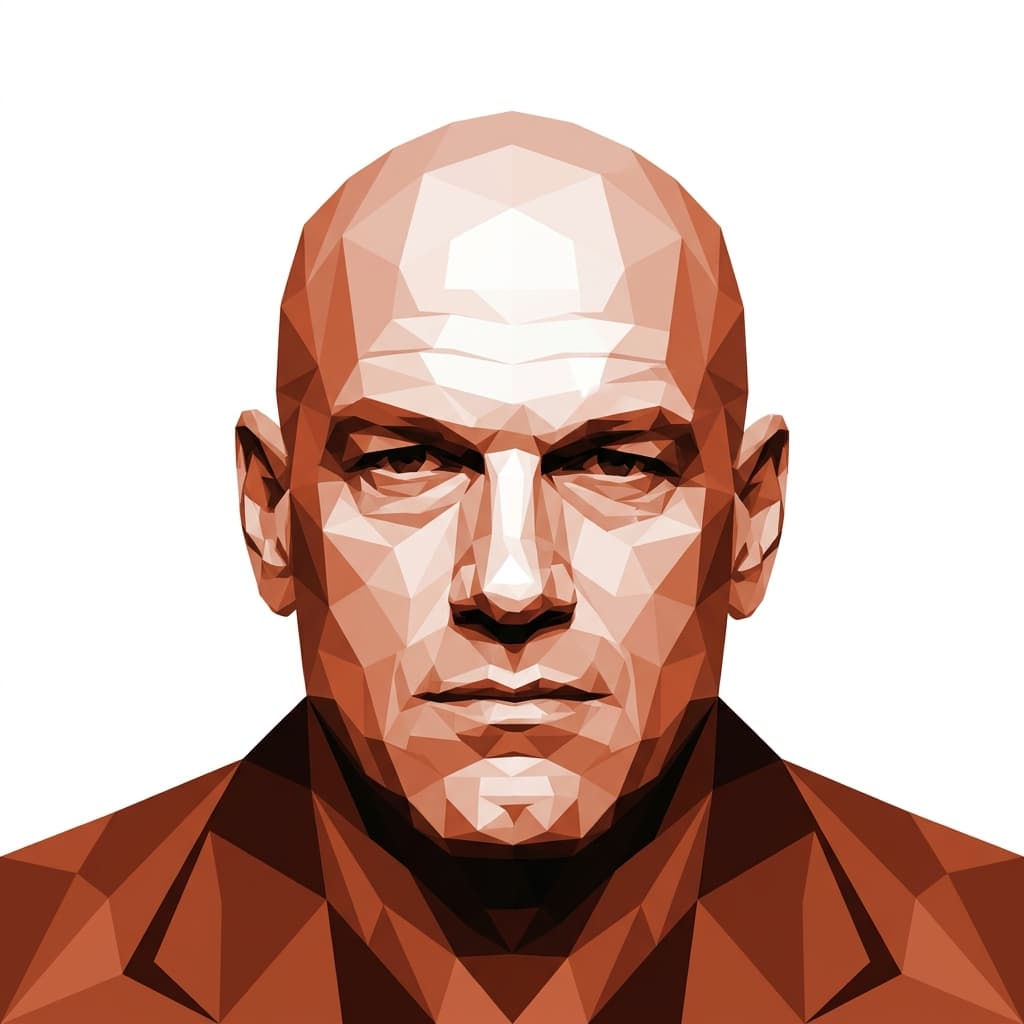
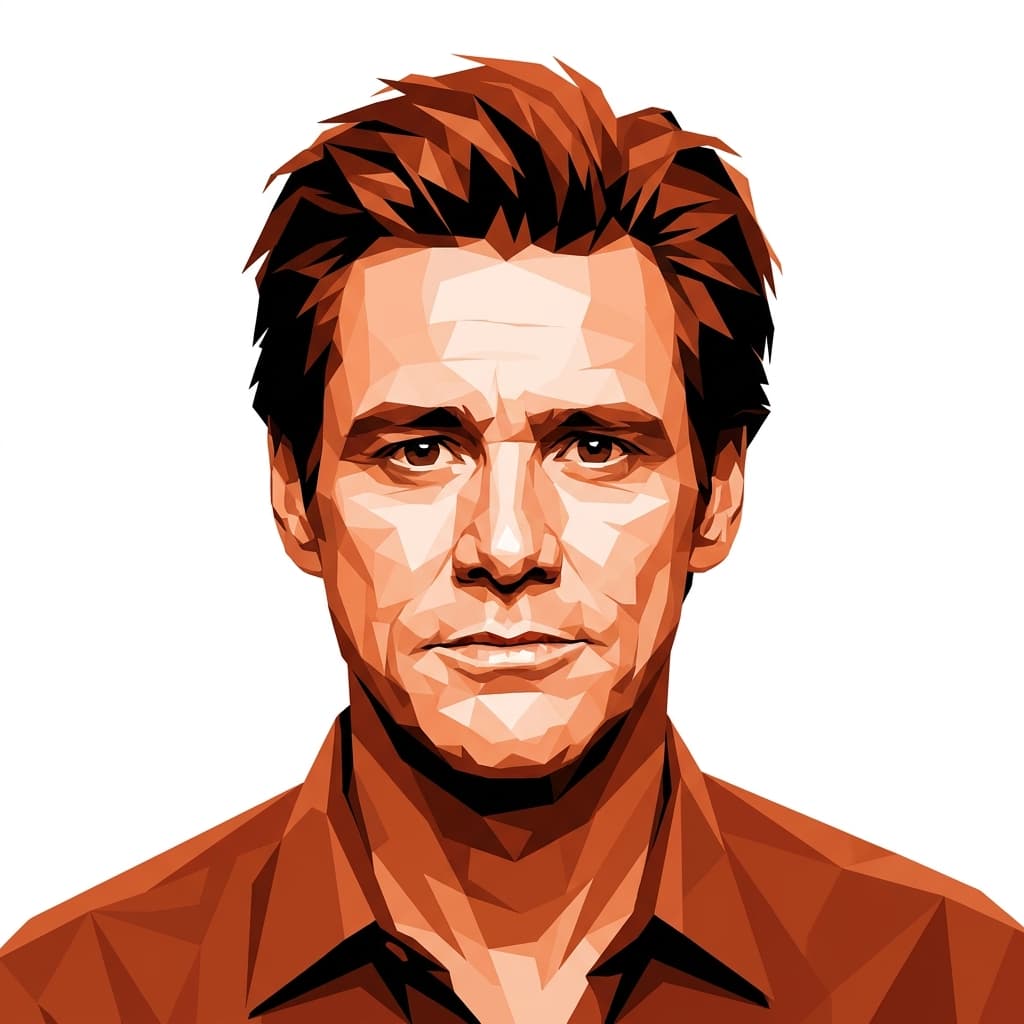
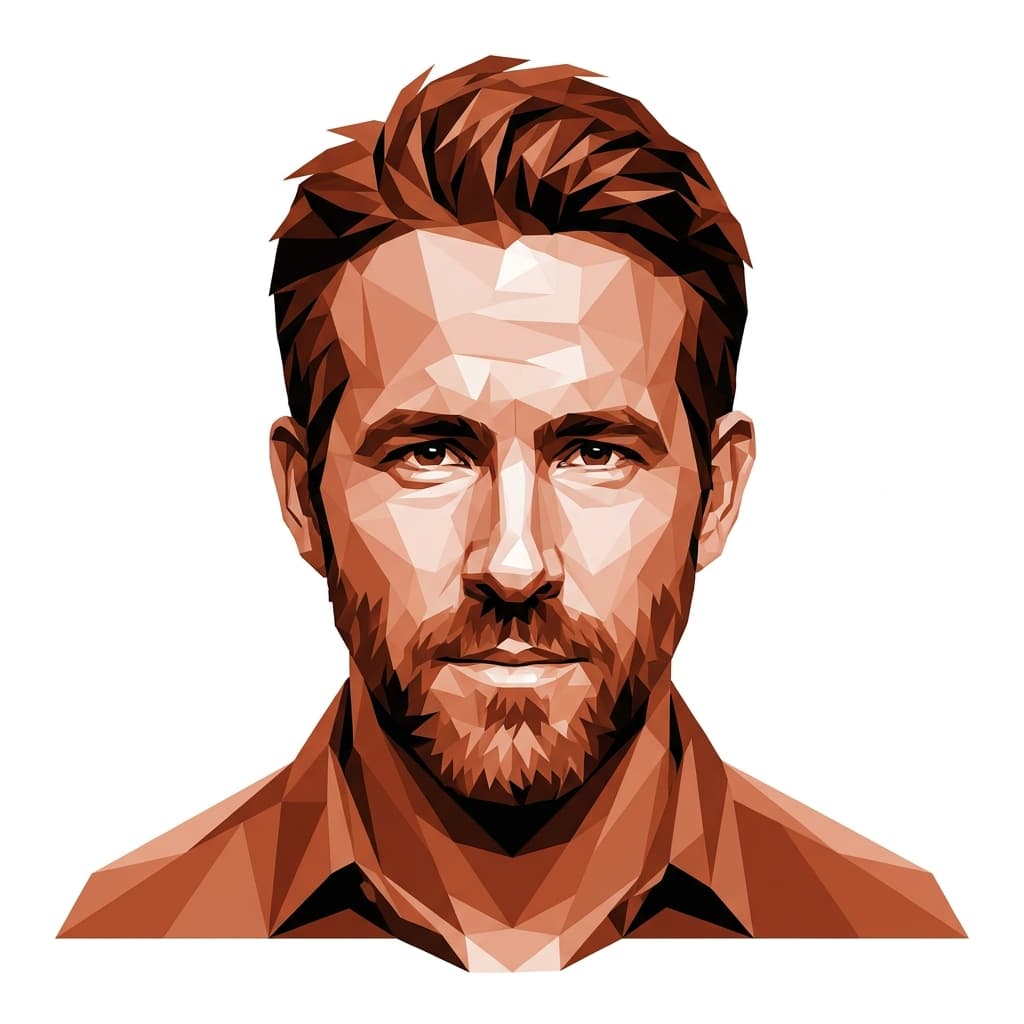
Canadian actor, producer, and entrepreneur known for Deadpool, self-deprecating wit, and savvy business ventures.
Design
- Q31.1
- h41.1
- R52.4
- g44.2
- i24.2
- S33.6
- T33.6
- U40.6
- V8.2
- W31.5
- X28.2
- Y5.1
- Z18.6
Personality
- Q50.5
- h3.5
- R28.3
- g28.2
- i27.2
- S57.6
- T34.4
- U44.3
- V8.6
- W7.3
- X28.6
- Y5.1
- Z48.4
Ryan Reynolds is a Generator — built with the kind of steady, replenishing engine that lets a person shoot a Marvel movie by day, run a marketing company by night, and still post an Aviation Gin ad before bed. For most of his twenties he was a working actor without a defining hit, grinding through sitcoms and rom-coms. The turn came when he stopped chasing what studios wanted and started waiting for the projects that actually lit him up, a shift that eventually produced the eleven-year fight to get Deadpool made.
That Deadpool campaign is the clearest window into his 5/1 profile — the researcher-turned-fixer who won't step forward until he's built a foundation nobody can poke holes in. He spent years quietly studying the character, the fanbase, the test footage leak, the marketing math. When he finally became the public face of the franchise, he wasn't guessing. He was operating from the deep well of preparation he'd built in private, and audiences felt it. The same pattern shows up in Maximum Effort, his production company, which functions less like a vanity shop and more like a lab where he can poke at what's broken in traditional advertising and rebuild it faster and funnier.
His business instincts run on an in-the-moment gut read that most executives would kill for. Buying a piece of Aviation Gin, taking a stake in Mint Mobile, co-owning Wrexham AFC with Rob McElhenney — none of these were spreadsheet decisions. They were full-body yeses that he then reverse-engineered into strategy. He has a knack for spotting the pattern before the market catches up, whether it's celebrity-owned spirits, prepaid mobile, or lower-league football as prestige television. The Wrexham project in particular reveals his instinct for what a community actually values — he didn't buy a team, he adopted a town.
The public Ryan Reynolds — quippy, self-roasting, endlessly available on Twitter — is real, but it's a fraction of him. Friends and collaborators describe long stretches of retreat and quiet where he writes, rewrites, and processes. He's been candid about anxiety, about the panic attacks that shadow the red-carpet charm, and about needing solitude to refill the tank between the very public bursts. His marriage to Blake Lively and their four kids sit inside a fortress of privacy that he defends with the same energy he uses to promote everything else.
What makes him unusually magnetic on camera and in boardrooms is that his raw working energy is almost always pointed at something he genuinely finds funny or interesting. He doesn't fake enthusiasm well, which is why the Aviation ads land and the studio comedies of his early career mostly didn't. When he's bored, you can see it. When he's lit up — Deadpool's third act, a Wrexham promotion match, a two-minute Mint Mobile spot written in an afternoon — the whole room reorganizes around his attention.
His comedic voice, meanwhile, is an ongoing act of taking messy material and finding its shape — the fourth-wall jokes, the meta references, the willingness to blow up a franchise to reset it. Ryan Reynolds succeeds not because he's the most talented actor of his generation but because he's figured out, methodically and stubbornly, which problems are actually his to solve.
Sources: biography · birth data
What do you and Ryan Reynolds have in common?
Enter your birth details to find out