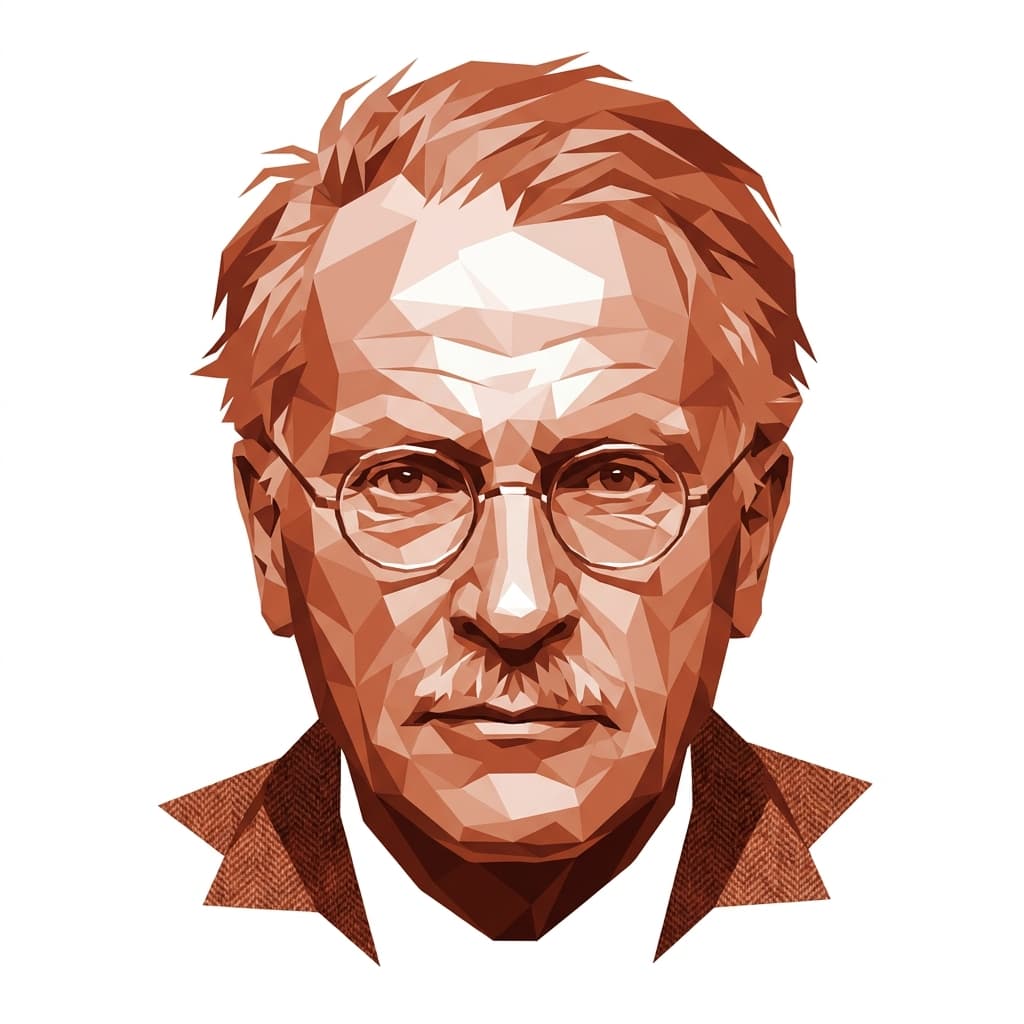
42nd U.S. President, Arkansas governor, and Democratic politician known for economic growth and personal controversy.
Design
- Q8.4
- h14.4
- R58.2
- g45.5
- i26.5
- S2.2
- T12.2
- U33.6
- V57.4
- W62.1
- X35.6
- Y18.3
- Z33.3
Personality
- Q29.2
- h30.2
- R23.1
- g45.2
- i26.2
- S31.6
- T48.2
- U18.3
- V32.3
- W31.1
- X45.5
- Y18.4
- Z33.5
Bill Clinton is a Generator — built with the deep, renewable stamina to work a rope line for six hours, read policy briefs until 3 a.m., and still show up in New Hampshire the next morning looking energized. The story of his career is the story of that engine finding what lit it up: not law practice, not corporate work, but the specific, retail act of persuading Americans one at a time that government could still work for them.
Born to a widowed mother in small-town Arkansas, he grew up in a household shaped by his stepfather's alcoholism and his own early decision — famously, at fourteen — to walk into a room and tell the man to stop hitting his mother. That early instinct to intervene, to fix what was broken, runs straight through his political life as a natural eye for what isn't working in a system and the drive to make it better. At Georgetown, Oxford, and Yale Law, he read voraciously and networked constantly, building the kind of relational web that would later carry him to the presidency. His 2/4 profile shows up here: a man who genuinely needs solitude with a saxophone or a stack of books, but whose opportunities have always arrived through friends, mentors, and the extraordinary Rolodex he began compiling at twenty.
Elected governor of Arkansas at 32, defeated after one term, then re-elected after a public apology tour, Clinton learned early that his gift wasn't ideological purity — it was reading the room and knowing exactly when to speak. The 1992 "I feel your pain" moment at a town hall wasn't rhetoric; it was a Generator responding, in real time, to what was in front of him. He made decisions from the gut, in the moment, without needing to justify them afterward, which is why aides described him as maddening to staff out and mesmerizing to watch.
As president, he governed like someone waiting to see what would show up on the desk before committing his energy — pragmatic, triangulating, allergic to fixed doctrine. He presided over the longest peacetime economic expansion in American history, and his instinct for directing resources toward what would actually generate prosperity shaped welfare reform, NAFTA, and the balanced budget. He was also a persuader of unusual gifts, capable of walking a skeptical senator through a bill line by line until the vote flipped. His shadow surfaced too: the Lewinsky affair and impeachment revealed the cost of chasing intensity without discernment, and the political near-death that followed.
Post-presidency, he built the Clinton Foundation and reinvented himself as a convener and voice for global resources, pulling billionaires, heads of state, and NGOs into rooms to fund AIDS treatment and climate work. He campaigned relentlessly for his wife in 2008 and 2016, and settled into the role of elder Democrat — the one who distills decades of political experience into stories others can actually use. Whether that wisdom lands cleanly or gets tangled in his own history depends, as it always has with Clinton, on who's listening.
Sources: biography · birth data

What do you and Bill Clinton have in common?
Enter your birth details to find out