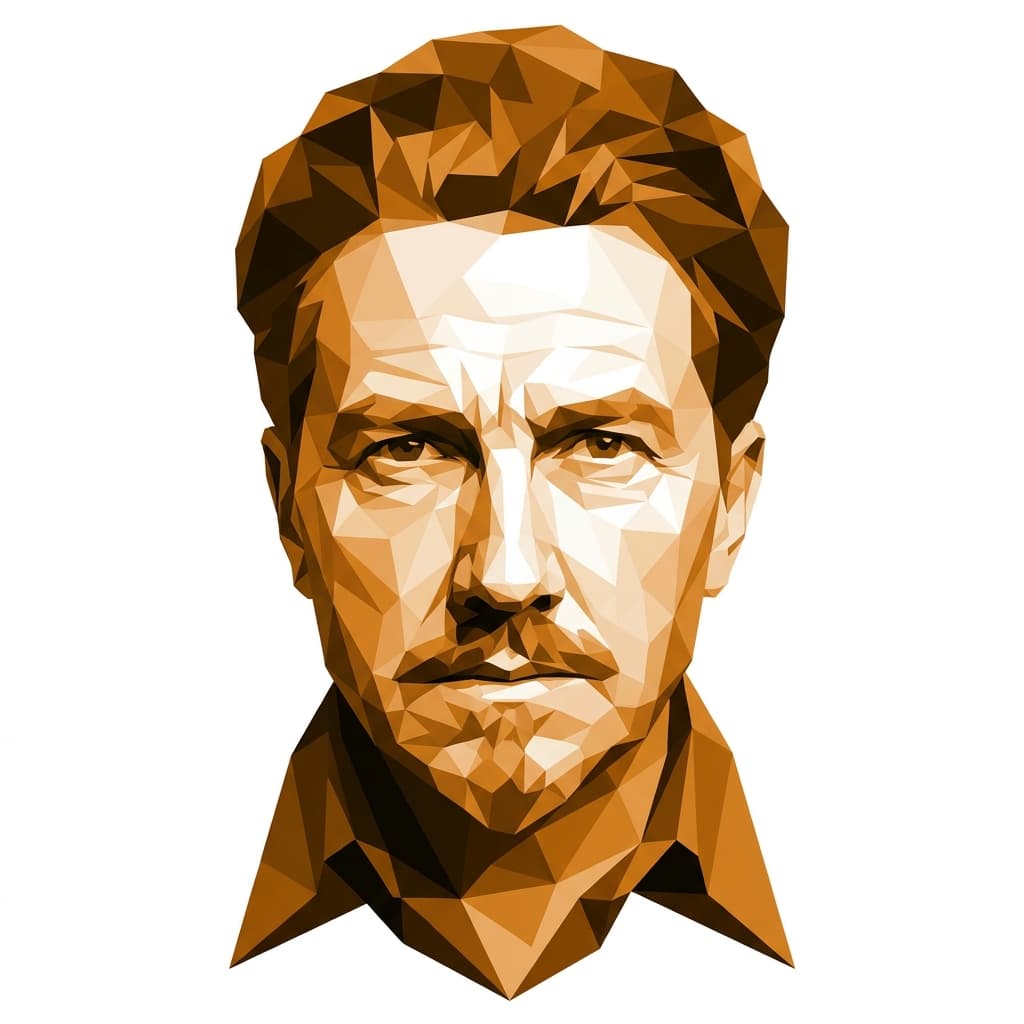
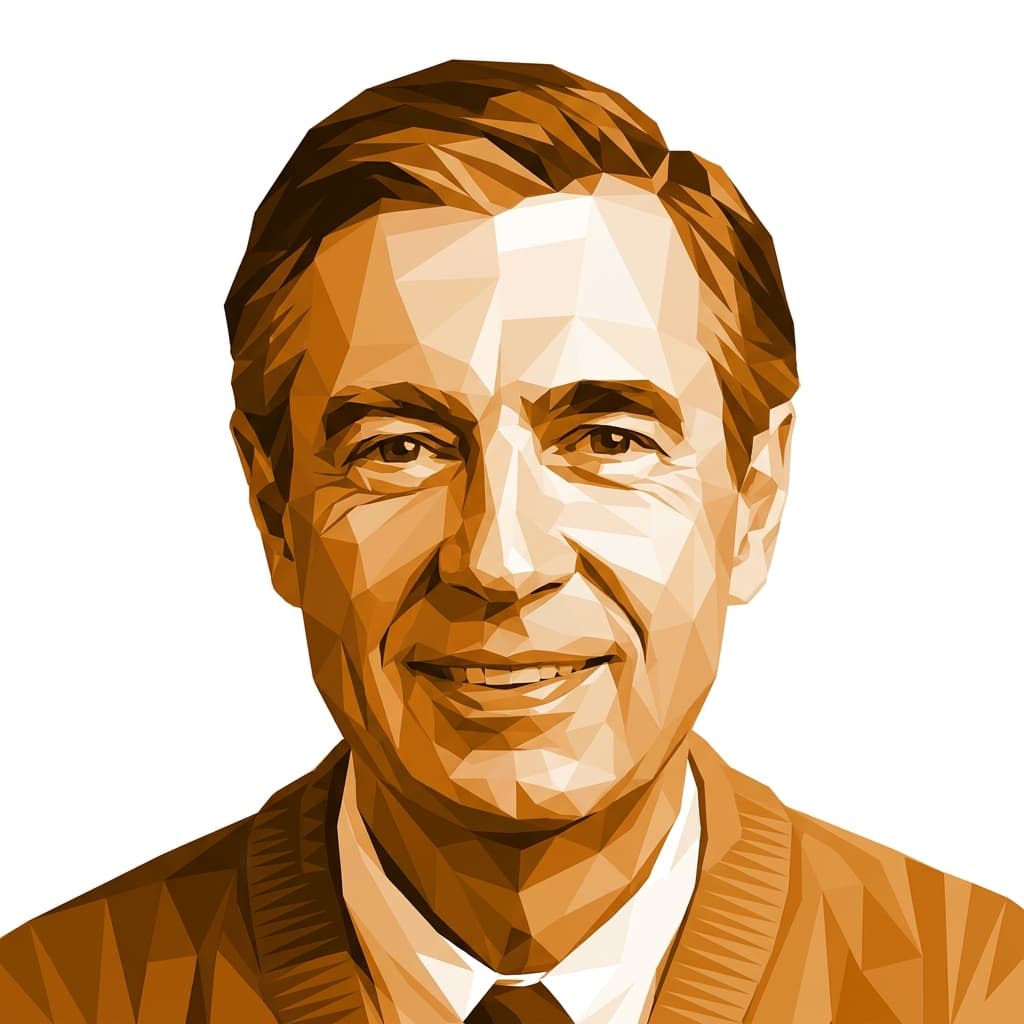
German philosopher who declared God dead and rewired Western thought with hammer-blow aphorisms.
Design
- Q62.4
- h61.4
- R31.5
- g5.3
- i35.3
- S53.4
- T31.4
- U56.4
- V17.1
- W41.3
- X17.3
- Y49.5
- Z42.4
Personality
- Q32.2
- h42.2
- R9.4
- g34.6
- i20.6
- S18.1
- T40.1
- U6.6
- V36.4
- W60.5
- X25.6
- Y49.3
- Z42.3
Friedrich Nietzsche was a Manifesting Generator — built to chase many obsessions at once and burn through them at a pace no one around him could match. In a single decade he tore through philology, music, Wagnerism, moral history, physiology, and prophecy, mastering each just long enough to detonate it and move on. His colleagues at Basel expected a careful classicist; instead they got a man who resigned his professorship at thirty-four to wander Alpine villages and write books nobody was reading.
He was a 2/4 profile, the hermit-connector, and the shape of his life is almost a caricature of it. Sils-Maria in summer, Nice or Turin in winter, walking six hours a day alone, then firing off letters to Overbeck, Rohde, Malwida — the small community he trusted to carry his work. He needed long stretches of nobody watching to actually hear himself think, and he was ruthless about protecting them, sometimes at the cost of the very friendships that sustained him. The break with Wagner, delivered in print and never truly repaired, was one of those decisions that ripened slowly through his emotional weather before landing as absolute.
His method was almost defiantly non-linear. The Gay Science, Zarathustra, Beyond Good and Evil, Genealogy of Morals — each book pivots, contradicts, reopens what the last had closed. He didn't respect the plodding academic pace; his Strategy was to wait for something to strike and then move fast, and when a book struck him he'd draft it in ten days walking above Sils. He wrote in aphorisms partly because he couldn't stand the drag of building tidy systems and partly because the aphorism let him say a true thing exactly when the moment for it arrived.
The critical faculty was almost surgical. He could smell rot in a moral concept the way a hound smells blood, and he directed that instinct for what needed correcting at Christianity, Kant, Socrates, German nationalism, his own earlier self. Underneath the polemic sat a genuine gift for spotting which values would decay and which could still bear weight — the entire Genealogy is that nose at work. And he did it all while pursuing a revolution grounded in what he actually believed was true, not what his profession or century wanted to hear.
What kept the whole enterprise from collapsing into pure destruction was his stubborn openness to being astonished by existence — amor fati, eternal recurrence, the yes-saying he demanded of himself even as his health disintegrated. He carried a philosopher's mental pressure toward the hidden structure of everything, and he channeled it through storytelling that made abstract ideas walk and speak: Zarathustra descending the mountain, the madman with his lantern, the last man blinking. These weren't decoration. They were how he got the thought into the reader's body.
He collapsed in Turin in January 1889, arms around a beaten cart-horse, and never wrote again. He was forty-four. The books he'd finished the year before — Twilight of the Idols, Ecce Homo, The Antichrist — reached the audience he'd waited his whole life for, only after he could no longer know it.
Sources: biography · birth data
What do you and Friedrich Nietzsche have in common?
Enter your birth details to find out