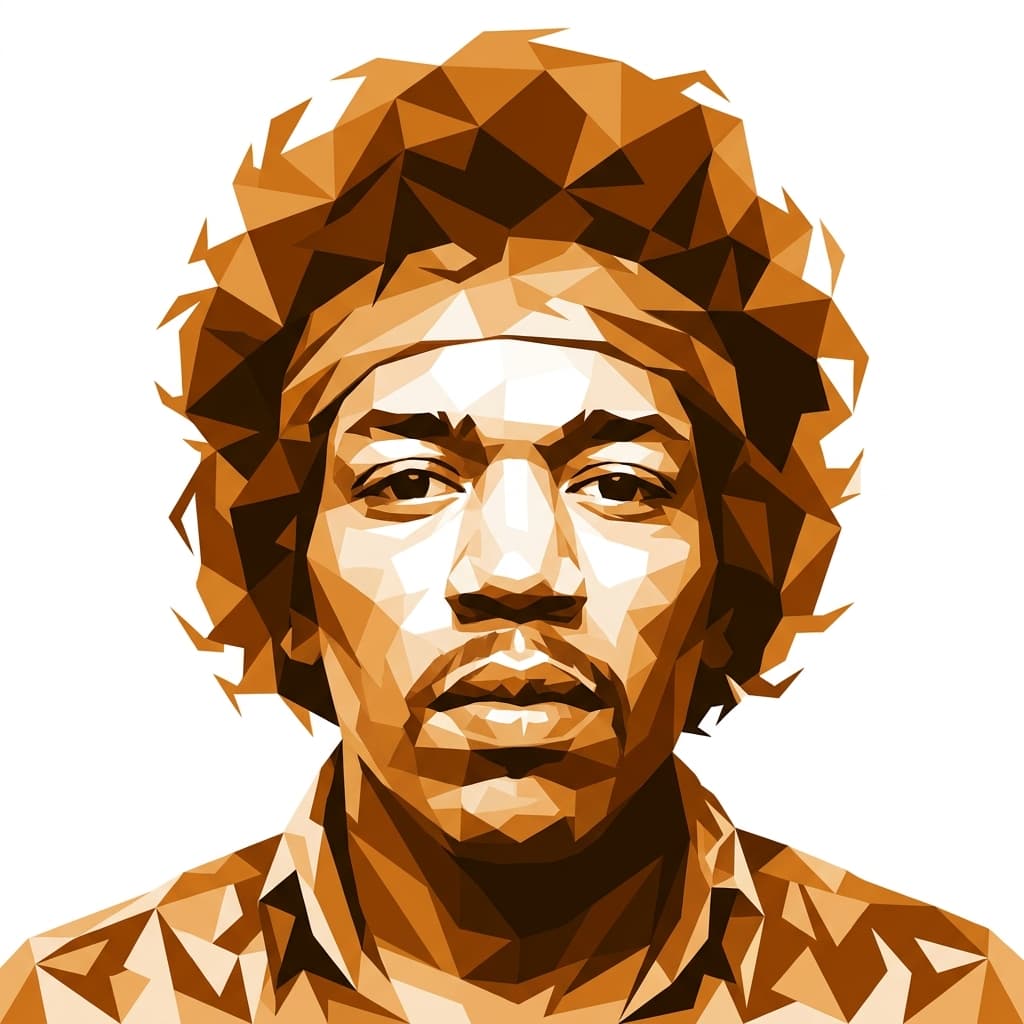
Three-term New York City mayor whose combative charm and "How'm I doin'?" defined 1980s urban politics.
Design
- Q47.6
- h22.6
- R21.6
- g4.5
- i49.5
- S64.4
- T31.5
- U30.2
- V5.1
- W50.5
- X22.3
- Y4.3
- Z39.5
Personality
- Q26.4
- h45.4
- R15.4
- g7.2
- i13.2
- S38.2
- T1.6
- U36.4
- V10.1
- W44.3
- X22.1
- Y4.4
- Z39.4
Ed Koch was a Manifesting Generator — wired to move fast, argue faster, and juggle a half-dozen fights at once — and the shape of his mayoralty is exactly that. He came up through Greenwich Village reform politics, spent nine years in Congress, and then bulldozed into Gracie Mansion in 1978 with a city teetering on bankruptcy, garbage in the streets, and a subway system nobody wanted to ride. He would run New York for twelve years and never quite stop running, even after voters finally sent him home in 1989.
His signature question — "How'm I doin'?" — shouted at commuters on the Brooklyn Bridge and pensioners in the Bronx, was pure 4/6 profile instinct: the warm, relationship-first half of him constantly checking in with the neighbors, while the wiser, elder half was already writing the memoir in his head. He genuinely believed the city was a community he could know person by person, and he governed the way someone runs on gut instinct rather than a five-year plan, announcing decisions before his staff had finished the memo and defending them with the confidence of a man who does not lose arguments.
Koch's political voice was built on saying the unsayable and daring you to argue back. He called the Soviet Union evil, called liberal orthodoxy naïve, called his critics "wackos," and endorsed Republicans when it suited him — behavior that infuriated the Democratic clubhouses but delighted the tabloid rewrite desks. Underneath the bluster was a scrapper who needed a fight worth fighting: the fiscal crisis, the transit strike of 1980, the crack epidemic, the collapse of the Bronx. He rebuilt 250,000 units of housing in the outer boroughs — the largest municipal housing program in American history — because he decided somebody had to be in charge of the money and it might as well be him.
He was also, less romantically, a natural closer who could sell the city back to itself when Wall Street and the bond markets had written it off. But the same combative charm that saved New York in his first term curdled by his third. The Parking Violations Bureau scandal took down close allies. His response to the AIDS crisis — slow, cautious, personally guarded — remains the darkest mark on his record, and one his gay contemporaries never forgave. His handling of race, particularly after Howard Beach and the Tawana Brawley affair, alienated Black New York so thoroughly that David Dinkins beat him in the 1989 primary. Koch, characteristically, refused to update his read on a city that had moved past him.
Out of office, he became something closer to what a 4/6 is built for: the elder who turns a messy résumé into public wisdom. He wrote seventeen books, reviewed movies, judged cases on "The People's Court," endorsed George W. Bush over John Kerry, and kept showing up on op-ed pages with a set of principles he refused to sand down for anyone. He had his own headstone carved and installed at Trinity Church Cemetery in Washington Heights before he died — the last word, as usual, was his.
Sources: biography · birth data
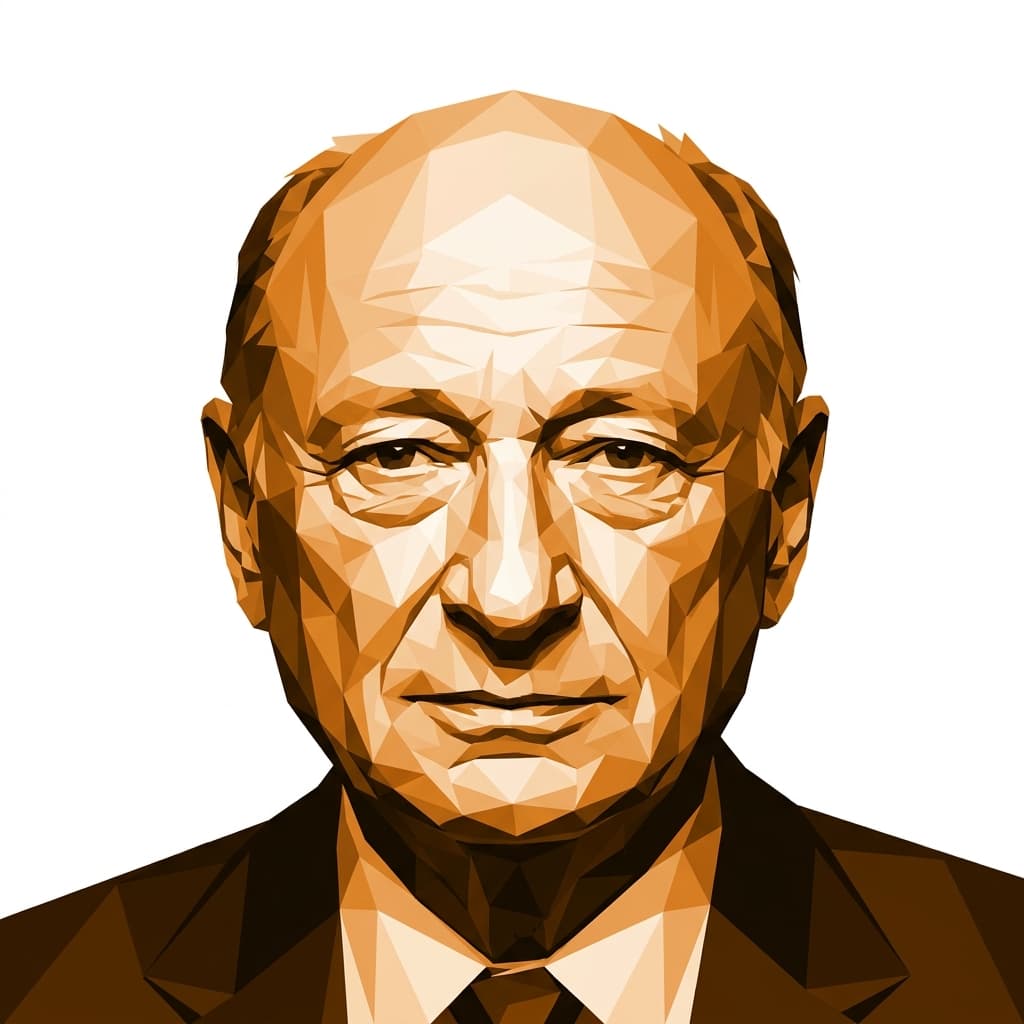
What do you and Ed Koch have in common?
Enter your birth details to find out