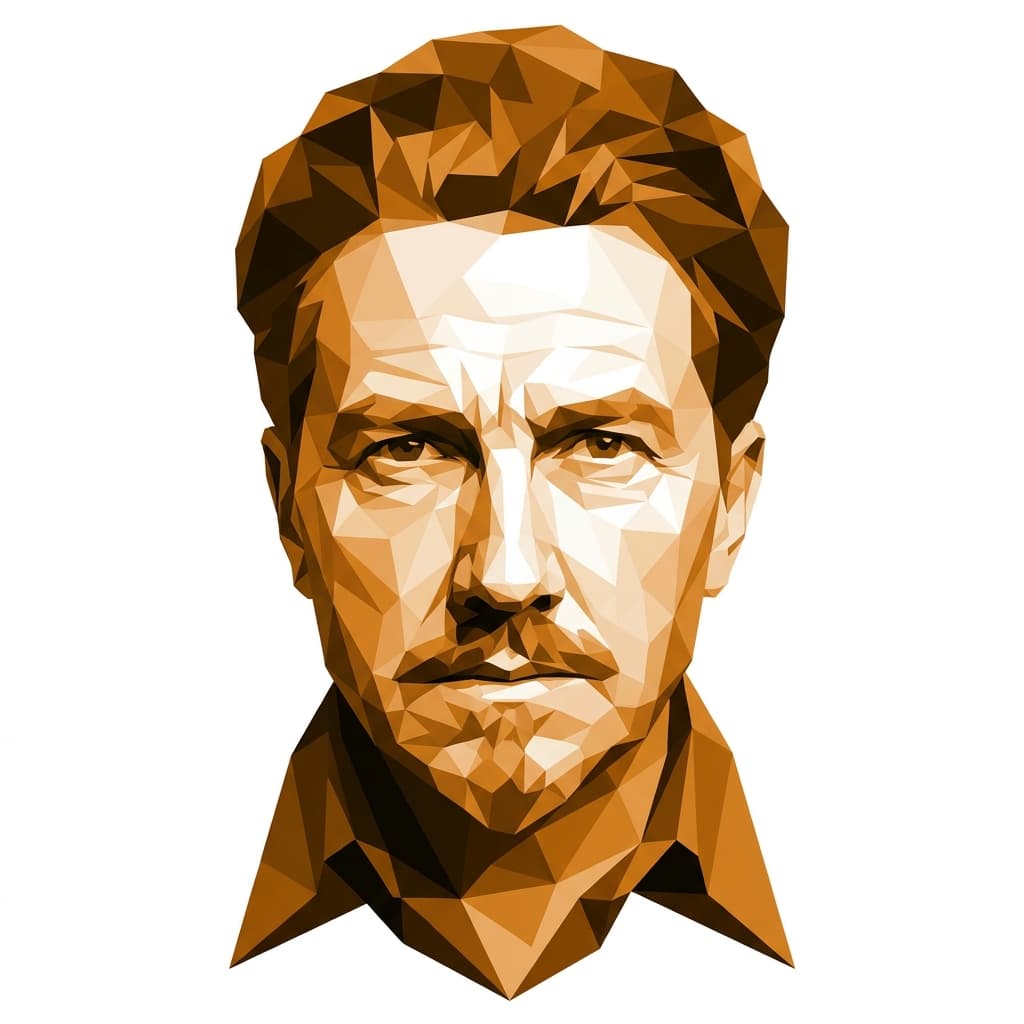
Visionary American guitarist and songwriter who redefined the electric guitar's expressive and sonic possibilities.
Design
- Q40.2
- h37.2
- R27.4
- g59.5
- i55.5
- S46.2
- T7.4
- U47.2
- V53.3
- W35.1
- X20.5
- Y46.1
- Z31.5
Personality
- Q34.6
- h20.6
- R56.2
- g29.5
- i30.5
- S34.4
- T9.2
- U1.5
- V62.5
- W16.4
- X20.3
- Y46.4
- Z31.6
Jimi Hendrix was a Manifesting Generator — wired for multi-track obsession and sudden bursts of mastery — and the four years between his arrival in London and his death in 1970 are a textbook case of that energy running at full voltage. He'd already spent the early sixties paying dues on the chitlin' circuit behind the Isley Brothers, Little Richard, and King Curtis, absorbing showmanship and stagecraft in the middle phase of trial and error that 6/2s tend to look back on as their apprenticeship. By the time Chas Chandler heard him at Cafe Wha? in 1966, the apprenticeship was done. What came next was almost embarrassingly fast.
The speed was the point. Hendrix didn't so much plan a sound as respond to whatever guitar, amp, or pedal showed up in the room — the wah-wah Roger Mayer handed him, the Univibe, the fuzzface, the upside-down Stratocaster he'd flipped because he was left-handed. He'd hear it, his gut would light up, and he'd disappear into the studio for days. Engineer Eddie Kramer described sessions where Jimi would track guitar parts with the kind of repetition that only mastery rewards, refining a single phrase until it landed exactly the way he heard it in his head. He was an original who couldn't have copied anyone if he'd tried, and his refusal to play other people's licks straight was less rebellion than physical impossibility.
On stage he was fully, dangerously present — Monterey, Woodstock, the burning guitar, the teeth-played solos — but the showmanship masked something quieter. He was a reluctant frontman who'd rather have been a sideman, naturally pulled toward leading a band without quite wanting the spotlight, and friends remember him as soft-spoken, almost shy, off the bandstand. The 6/2's need for long stretches alone showed up as nights at the Record Plant with the lights low, headphones on, chasing a sound only he could hear.
His decisions, when they were good, took time. When they were bad — the management contracts he signed in heated moments, the band configurations he committed to and then regretted — they tended to be the ones he'd made without sleeping on the feeling first. The Band of Gypsys came together because Buddy Miles and Billy Cox felt right in his body in a way the Experience no longer did; it dissolved a few months later for reasons just as gut-level. He was hungry for new sonic territory the way other people are hungry for food, and standing still bored him faster than almost anything.
Underneath the showman was a romantic — emotionally enormous, given to highs and lows that bled straight into the music. "Little Wing," "Bold as Love," "1983... (A Merman I Should Turn to Be)": these aren't songs a casual person writes. They came from someone who felt deeply and wanted everyone around him to feel that deeply too, and who told stories with his guitar more than with words. He died at 27, before the 6/2's wise-elder phase ever arrived — but the recordings keep doing the work that phase was meant to do, guiding generations of players who keep asking how he did it.
Sources: biography · birth data
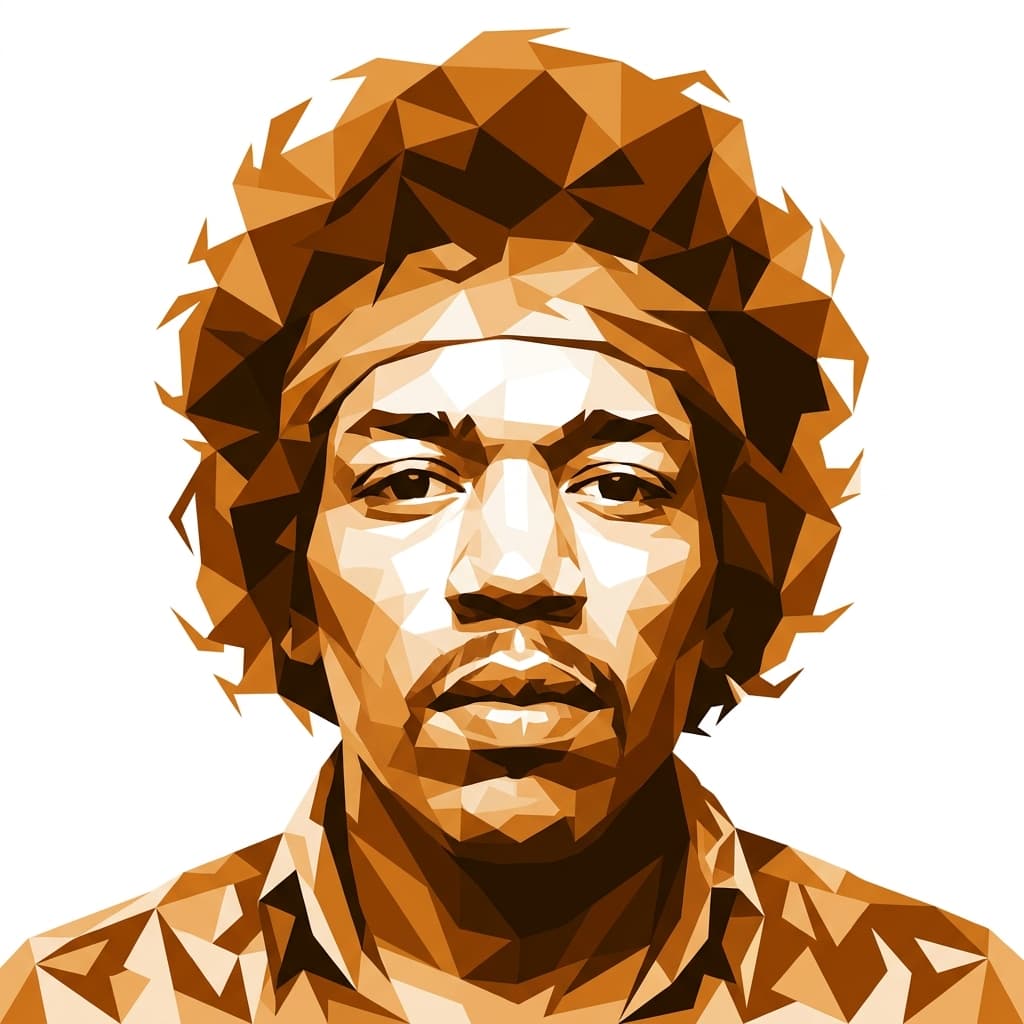
What do you and Jimi Hendrix have in common?
Enter your birth details to find out