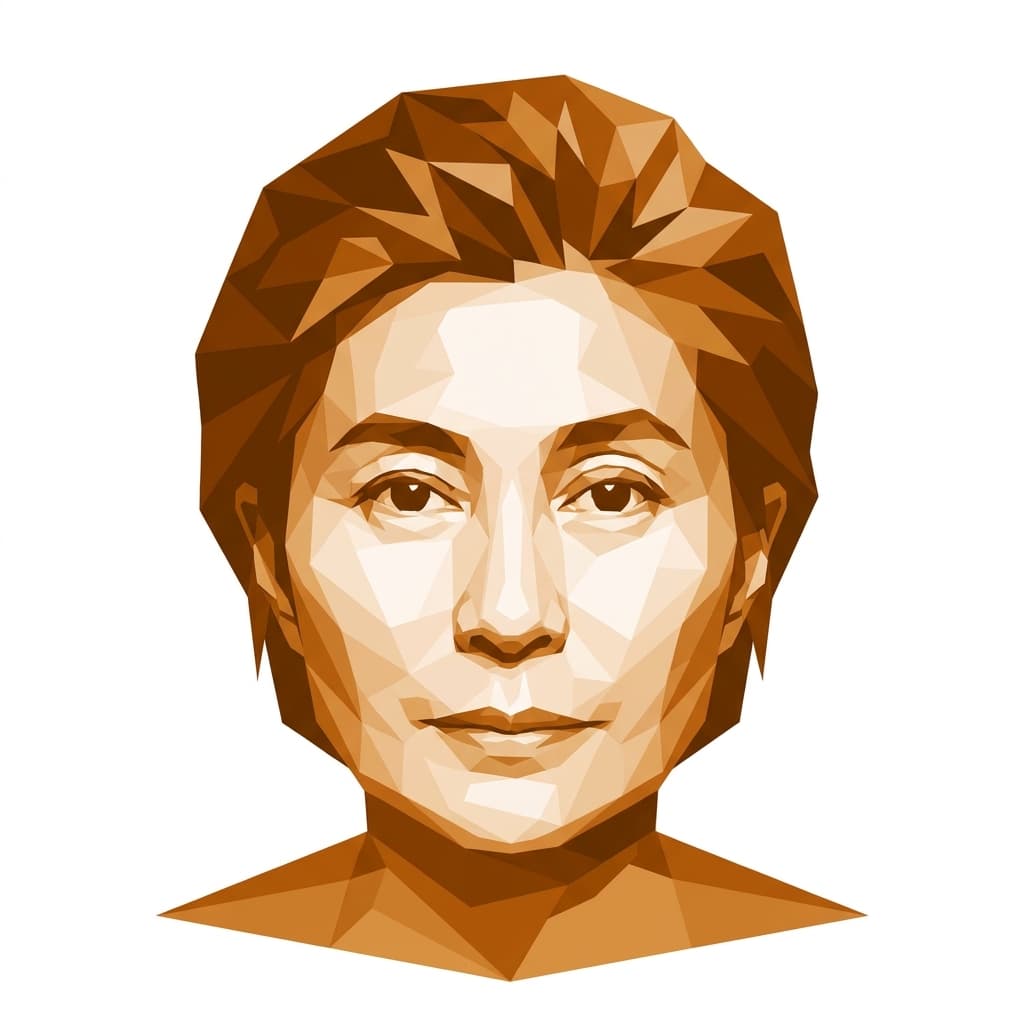
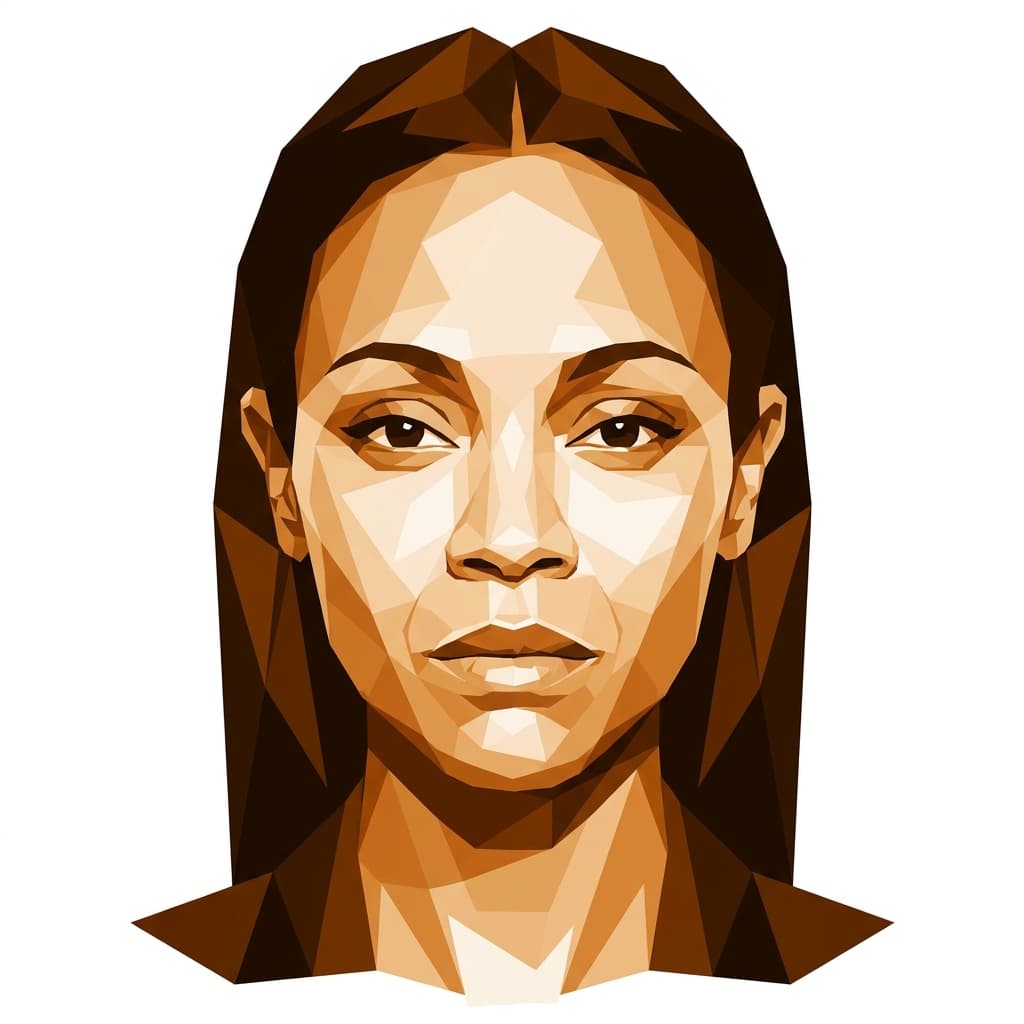
American entertainer, dancer, and singer known for Dance Moms, viral pop hits, and reinvention.
Design
- Q30.6
- h29.6
- R6.6
- g20.5
- i34.5
- S19.1
- T54.2
- U26.5
- V33.4
- W45.6
- X30.5
- Y19.5
- Z26.3
Personality
- Q8.4
- h14.4
- R38.4
- g8.6
- i14.6
- S24.4
- T27.2
- U13.3
- V33.4
- W12.6
- X55.3
- Y19.6
- Z26.3
JoJo Siwa is a Manifesting Generator — wired to move fast, juggle several careers at once, and pivot the moment her gut points somewhere new. That's essentially the shape of her life so far: competitive dance kid, Dance Moms breakout, Nickelodeon pop star, bow-brand mogul, Dancing with the Stars finalist, reality producer, and, most recently, a very public reinvention as a rock-leaning adult artist. She rarely stays in one lane for long.
Her rise ran on the kind of drive that turns a signature look into an empire. By age eleven she had already been eliminated from Abby Lee Miller's Dance Moms roster and returned; by fourteen she'd turned a giant sequined hair bow into a merchandising phenomenon that sold in Claire's stores by the millions. She built the JoJo brand with natural instincts as a tastemaker and marketer, understanding intuitively what a specific slice of eight-year-old audience wanted before adults in the room caught on. There's a 4/6 profile legibility to it — the warm, relational 4 that made her feel like every fan's older sister, on top of the 6's long game of becoming a role model.
The Nickelodeon years leaned hard into a magnetic, bright-energy performance style that lifts a room, which is exactly where a Manifesting Generator thrives — chasing what feels genuinely exciting and following the response rather than sticking with a strategy after the joy has drained out of it. When the bows-and-glitter era stopped lighting her up, she said so, loudly, and started dismantling it in public.
In January 2021 she came out on TikTok and Instagram in a matter of days, a decision she has described as a full-body gut yes she couldn't have talked herself out of. She spoke openly about wanting to model something for kids who'd grown up on her channel — a very 4/6 instinct to lead through lived example rather than theory. Then came the 2024 "Karma" era, the black-and-white face paint, the "gay pop" branding, and a wave of internet criticism she absorbed and clapped back at in real time. Whatever one thinks of the music, it was a warrior's insistence on fighting for a version of herself she wanted to be seen as.
She talks about needing to feel deeply and to pull that feeling out of an audience, and her interviews since the pivot have carried an emotional fullness she doesn't try to logic away — she'll cry mid-sentence, laugh two beats later, and keep going. There's a caretaker streak in how she treats the young fans still following her, even as her content grew up faster than they did. She reads her own comments. She says what she wants to say when the moment is on her, sometimes to her detriment, often to her benefit.
What holds the JoJo Siwa story together isn't a single sound or aesthetic but the willingness to keep pivoting in public — messy, loud, brand-first, and, so far, unbothered by anyone who wishes she'd sit still.
Sources: biography · birth data

What do you and JoJo Siwa have in common?
Enter your birth details to find out