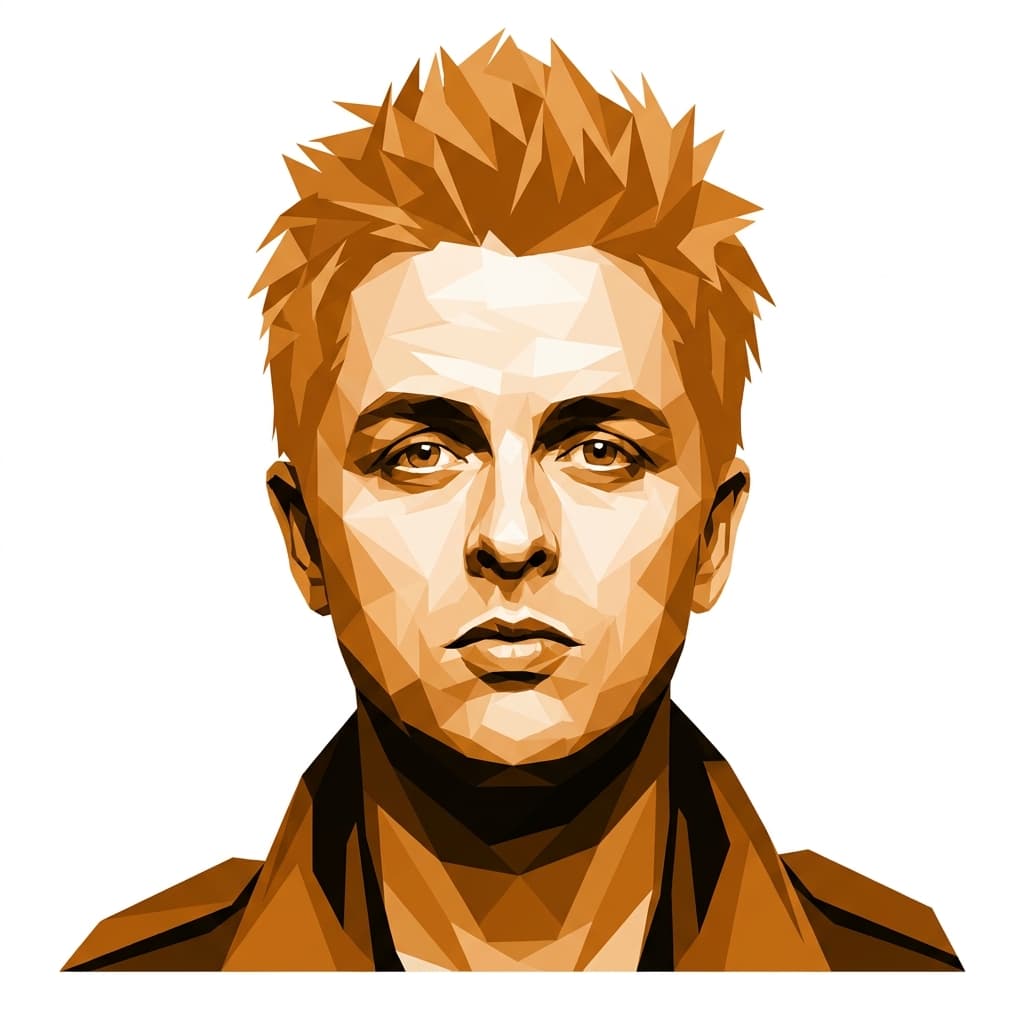
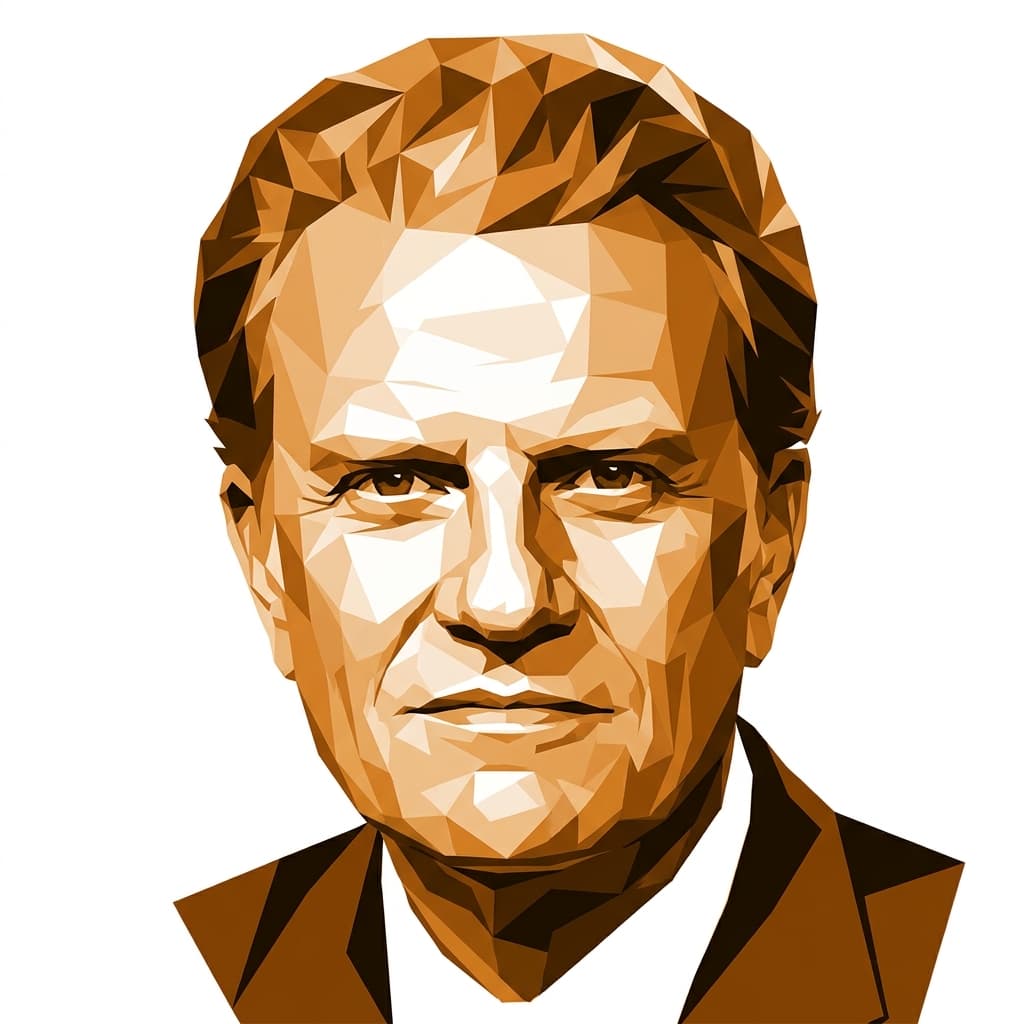
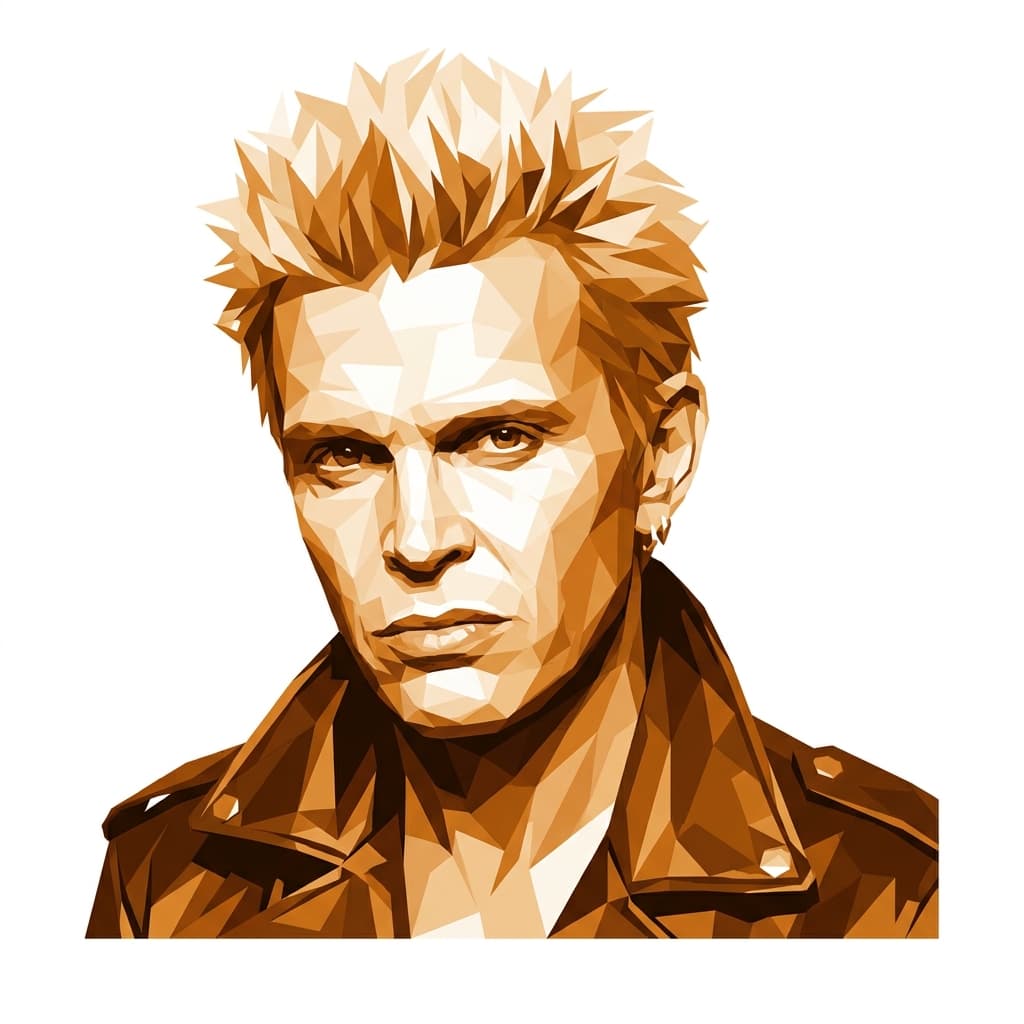
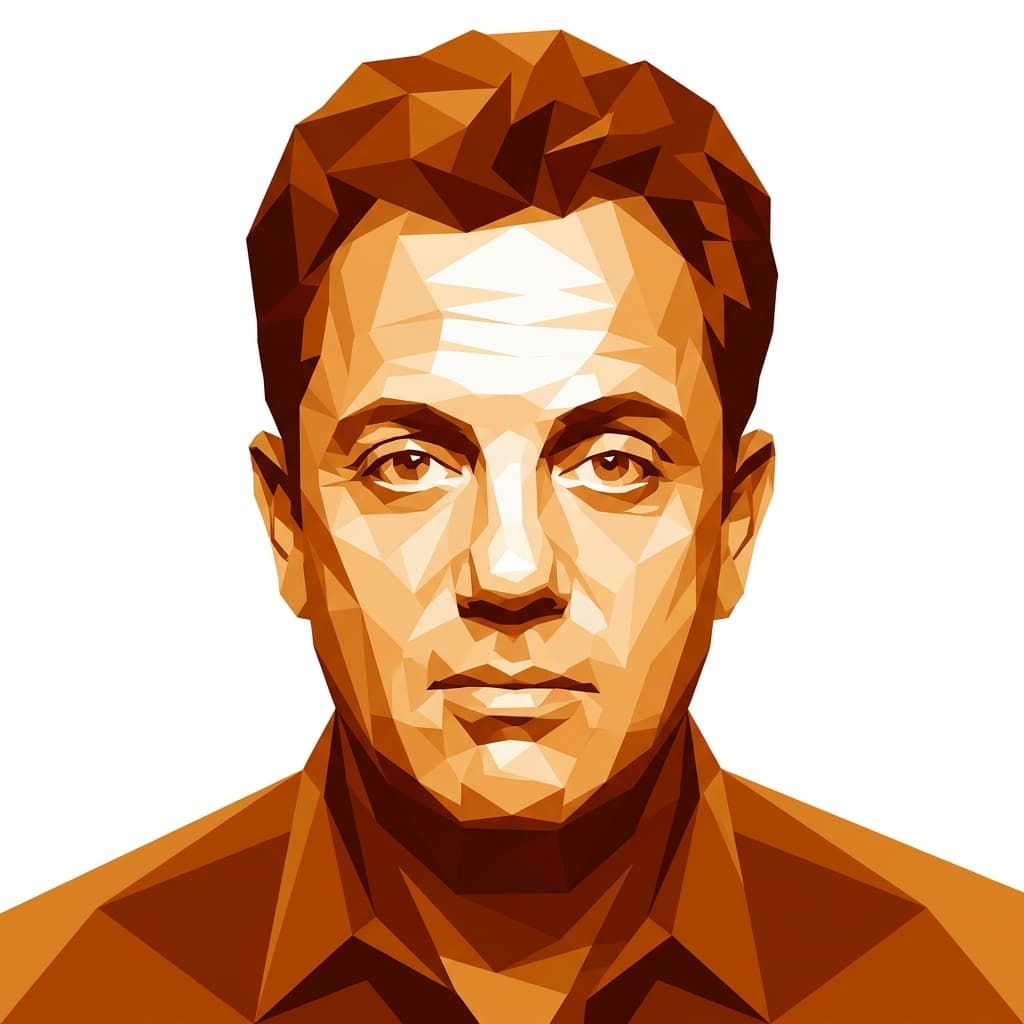
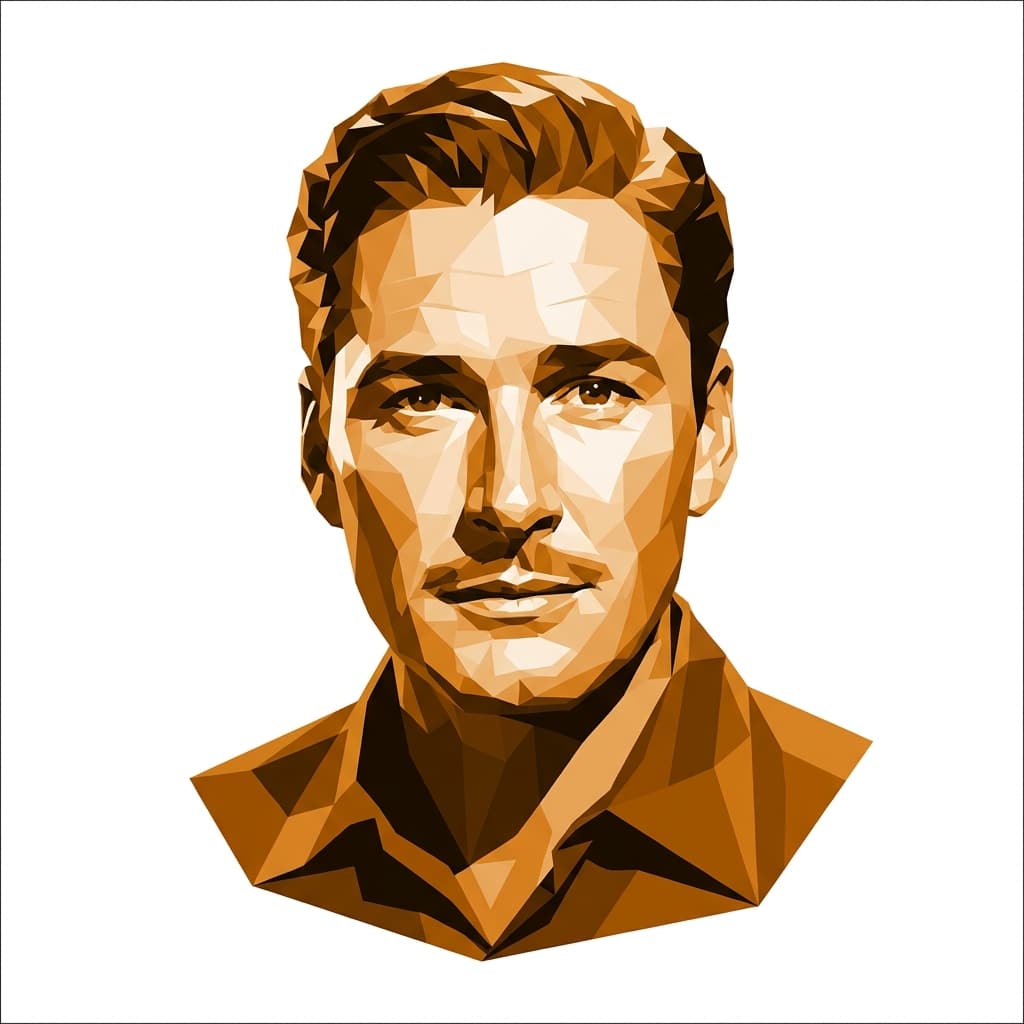
Australian-American swashbuckler whose charisma and scandals defined Hollywood's Golden Age leading man.
Design
- Q25.2
- h46.2
- R22.1
- g45.4
- i26.4
- S55.5
- T22.3
- U54.2
- V40.2
- W21.2
- X54.6
- Y39.6
- Z12.2
Personality
- Q12.6
- h11.6
- R53.4
- g35.6
- i5.6
- S45.4
- T39.3
- U63.4
- V40.3
- W42.1
- X54.6
- Y53.2
- Z12.3
Errol Flynn was a Manifesting Generator — built for speed, multiple appetites, and the kind of restless forward motion that treats a single career as too narrow a container. Before Hollywood ever found him, he'd been a plantation overseer in New Guinea, a gold prospector, a slave trader by his own dubious accounts, a sailor, and a newspaper correspondent. He arrived at Warner Bros. in 1935 with no formal training and almost immediately landed the lead in Captain Blood after Robert Donat dropped out, becoming a star in a single picture at twenty-six.
The role fit him because the role was essentially him: a well-born rogue with a sword and a grin. Through The Adventures of Robin Hood, The Charge of the Light Brigade, and The Sea Hawk, Flynn built a decade of athletic, swaggering performances that depended on his ability to time a line so the whole room tilts and to hold a camera's attention with pure emotional presence. Michael Curtiz, who directed most of his best films, fought with him constantly — Flynn refused to rehearse, improvised stunts, and chased whatever lit up his gut in the moment rather than following the shot list.
He was a 6/2 profile, the role-model-hermit, and the first act of his life was the trial-and-error chaos that profile is famous for. The 1942 statutory rape trial — he was acquitted, but the phrase "in like Flynn" entered the language — should have ended him. Instead he kept working, kept drinking, kept sailing his beloved Zaca for weeks at a time, disappearing from the industry to be alone on water. He wrote fiction, played the violin, read voraciously. The public saw a playboy; the people close to him saw a man who needed long stretches of solitude to function.
The decisions that defined him were almost all made from an emotional wave he never quite learned to ride — marriages contracted on highs, feuds escalated on lows, contracts signed and regretted. He had the persuasive charm that could sell any room on anything, including himself, and he used it on studio executives, three wives, and an uncountable number of lovers. His autobiography My Wicked, Wicked Ways, dictated in the last year of his life, is a 6/2's late-stage attempt to extract wisdom from a life that looked, from inside, mostly like weather.
By the 1950s the body that had carried the swashbucklers was failing — hepatitis, heart trouble, two decades of alcohol and morphine. He gave two of his best performances late, as drunkards in The Sun Also Rises and Too Much, Too Soon, mining the lows for something true in a way the younger Flynn never had to. He went adventuring one last time — running guns and shooting a documentary with Fidel Castro in Cuba in 1958 — because the pull toward new experience never actually quieted. He died in Vancouver in October 1959, age fifty, trying to sell the Zaca to pay his debts. The coroner estimated the body of a man closer to seventy-five.
Sources: biography · birth data
What do you and Errol Flynn have in common?
Enter your birth details to find out