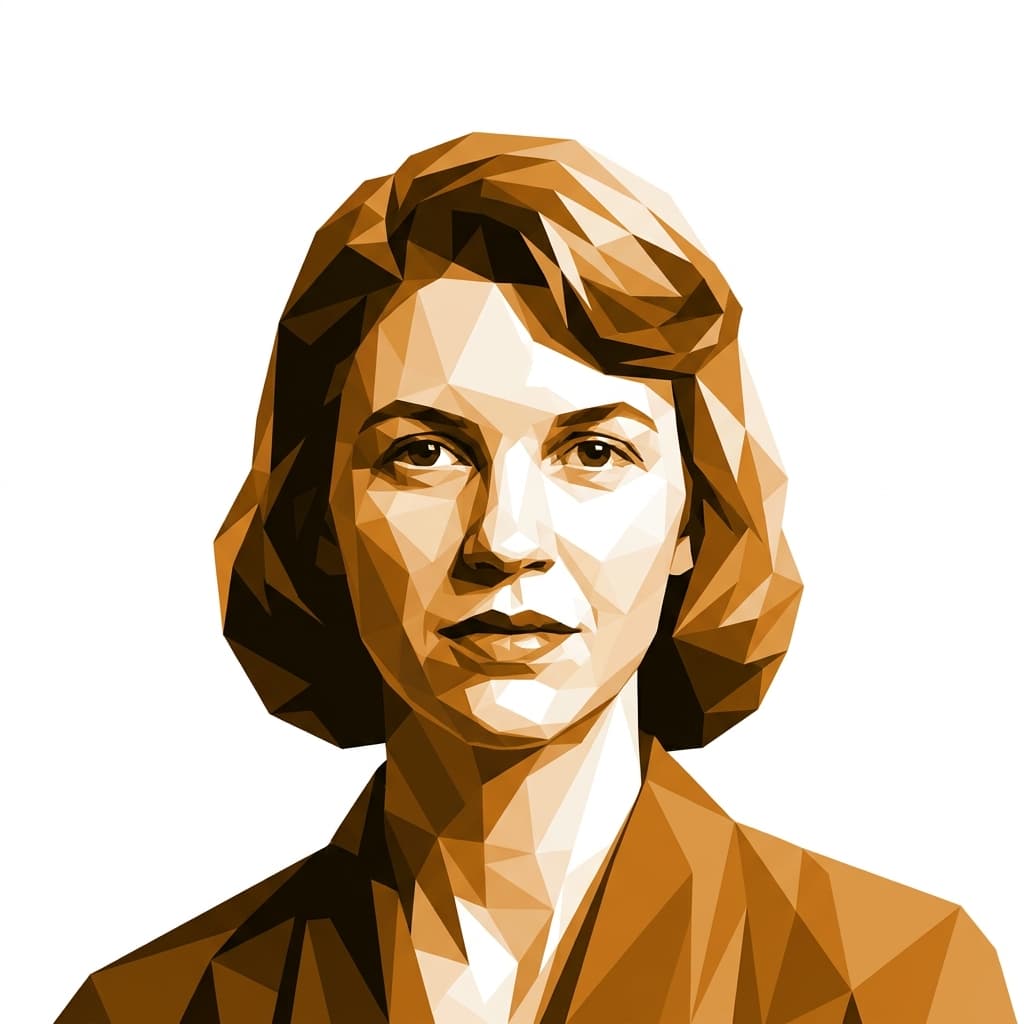
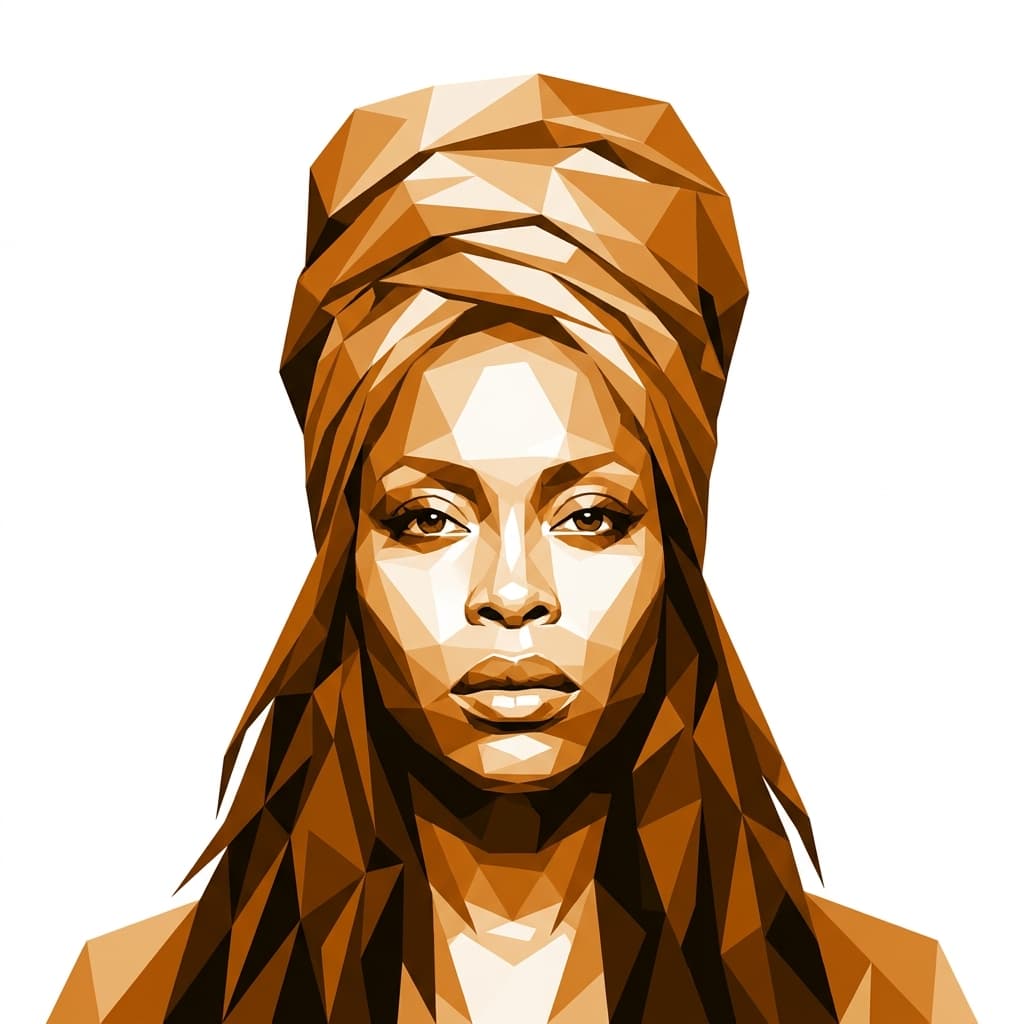
Grammy-winning neo-soul singer, songwriter, and cultural priestess known for Baduizm and genre-defying artistry.
Design
- Q9.4
- h16.4
- R38.6
- g30.3
- i29.3
- S11.6
- T44.3
- U50.1
- V43.3
- W2.5
- X48.4
- Y34.1
- Z46.2
Personality
- Q37.2
- h40.2
- R22.3
- g49.6
- i4.6
- S30.6
- T61.3
- U26.5
- V34.6
- W2.5
- X48.4
- Y34.4
- Z46.1
Erykah Badu is a Manifesting Generator — built to move fast through many lanes at once, which is exactly how a Dallas-born singer became a doula, a DJ, a fashion disruptor, an actress, and the woman who more or less named a genre. When Baduizm arrived in 1997, the headwrap and the ankh and the voice all landed as a single aesthetic statement, but the career underneath has never sat still long enough to be summarized. She mastered the neo-soul template and then wandered off from it, which is the Manifesting Generator pattern in plain view.
She grew up Erica Wright in South Dallas, performing at the Dallas Theater Center as a kid and later studying theater at Grambling before leaving to pursue music full-time. Her 2/4 profile — the hermit who's also the networker — shows up in how she operates: deeply private, famously hard to reach, and yet the connective tissue of an entire scene, from The Soulquarians sessions at Electric Lady to the Dallas community she still centers her life around. What comes out effortlessly when she's alone tends to become everyone else's compass.
Her phrasing is the giveaway on emotional authority. Badu doesn't rush a note, a verse, or a response — she famously takes years between albums, and when she does release something (Mama's Gun, Worldwide Underground, New Amerykah Parts One and Two), it arrives having been felt all the way through. She has talked openly about sitting with ideas until they settle, about not trusting a decision made in the heat of a feeling. The New Amerykah records in particular read like someone who waited out the wave.
The craft itself is deep practice. Developing her voice through repetition until it became one with her identity is why she can bend a melody into shapes other singers can't locate, and why her live shows — she has a reputation as one of the best working vocalists, period — never sound like the record. Pair that with the pattern-recognition of someone who scans a room before she enters it and you get an artist who samples a J Dilla beat, a Billie Holiday phrase, and a 2020s trap cadence inside the same bar without any of it feeling like pastiche. Her DJ sets as DJ Lo Down Loretta Brown work the same way.
Badu's public life has always carried the warrior energy of someone who will say the uncomfortable thing — the "Window Seat" video, her defense of unpopular friends, her Twitter commentary that regularly ignites discourse. It coexists with a genuine, almost old-fashioned devotion to her community: she's a certified midwife who has delivered dozens of babies in Dallas, hosts an annual birthday concert that functions like a family reunion, and raised her three children (with André 3000, The D.O.C., and Jay Electronica) with a fiercely matriarchal hand. The persuasion of a woman who can sell you an incense line and mean every word is real — Badu Perfume, Badu World Market — but it only works because her values aren't negotiable. She has turned down more than she's accepted. The slowness is the point.
Sources: biography · birth data
What do you and Erykah Badu have in common?
Enter your birth details to find out