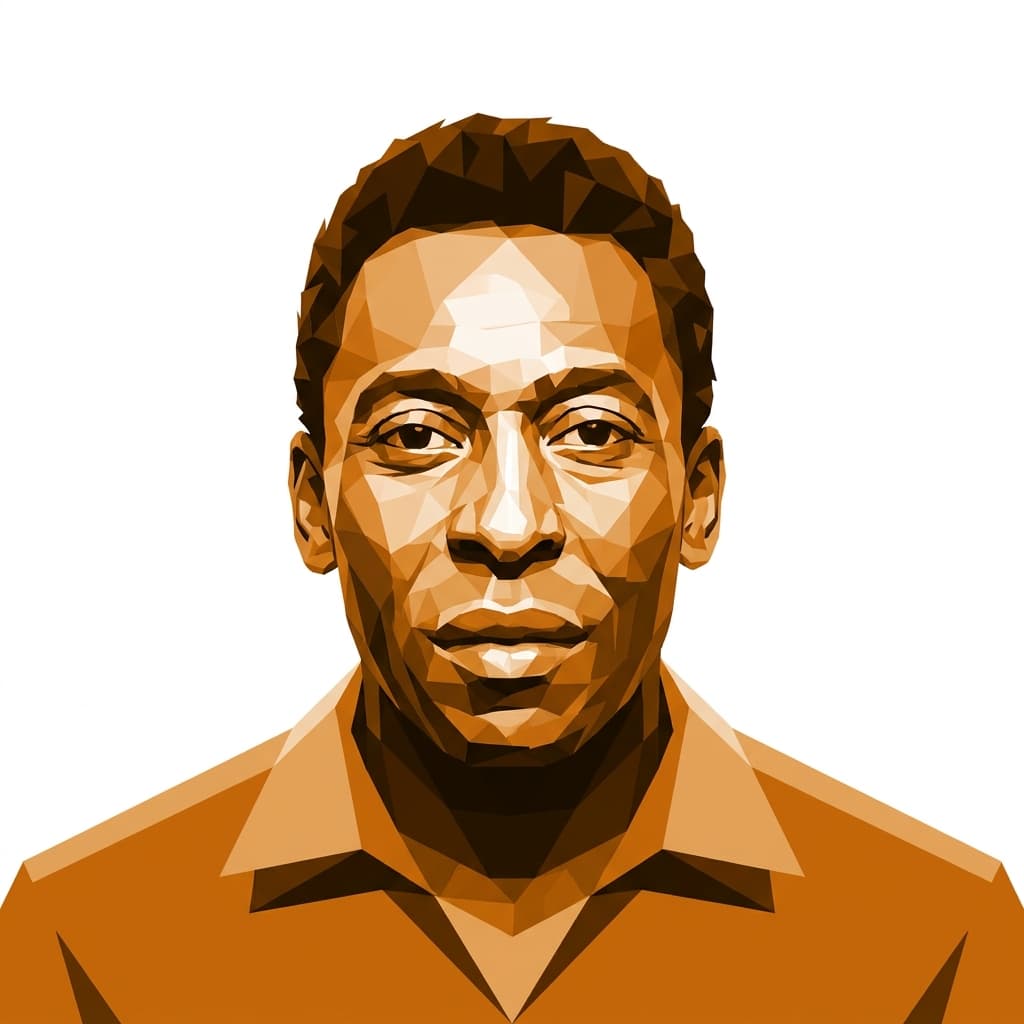
American poet and novelist whose confessional verse and The Bell Jar reshaped 20th-century literature.
Design
- Q31.5
- h41.5
- R45.4
- g22.1
- i47.1
- S59.1
- T15.3
- U12.4
- V29.3
- W60.5
- X42.3
- Y40.1
- Z62.2
Personality
- Q28.3
- h27.3
- R18.5
- g63.6
- i64.6
- S43.3
- T6.2
- U4.3
- V64.5
- W60.3
- X42.1
- Y40.5
- Z62.3
Sylvia Plath was a Manifesting Generator — wired for speed, multiplicity, and the kind of output that doesn't slow down to be tidy. By twelve she was publishing poems in the local paper; by her Smith years she was simultaneously winning Mademoiselle fellowships, painting, drafting villanelles, journaling obsessively, and dating a parade of men she dissected on the page. The non-linear sprawl of her output — fiction, poetry, journals, drawings, letters — is the print of someone who refused to pick a single lane.
Her 3/5 profile shows up in how she lived: trial, error, reinvention, and the constant projection of others' expectations onto her. The 1953 breakdown and suicide attempt that became the spine of The Bell Jar was, in profile terms, the kind of collapse that turns into material — a cycle she lived all the way through and then closed by writing it. She returned to Smith, won the Fulbright, met Ted Hughes at a Cambridge party in 1956 (she bit his cheek hard enough to draw blood), and within four months married him. That speed of yes was characteristic; so was the pattern of saying yes from somewhere that wasn't quite settled.
She had Emotional Authority, which meant clarity was supposed to arrive over days, not minutes — and yet she made some of her largest decisions inside emotional weather. Her journals track the waves with terrifying precision: euphoria at a poem accepted by The New Yorker, then a trough about her hair, her marriage, her mother. The Ariel poems were written in a velocity that didn't wait for the storm to pass, often before dawn in the months after Hughes left her for Assia Wevill in 1962. She wrote "Daddy," "Lady Lazarus," and "Edge" in a sustained burst that fall, sometimes drafting a poem a day.
The poems themselves are a working laboratory of questioning everything that looked stable and building strange precise systems out of the wreckage. She catalogued bees, hospital wards, kitchens, fathers, and Nazis with the same forensic attention. Her appetite for the extreme registers — ecstasy, rage, numbness gave her access to material most writers euphemize, and her ear for when a line needed to land and when it needed to wound made the late poems unkillable. The Bell Jar, published under a pseudonym in January 1963, was the same instinct in prose: a critic's eye turned on the world that had tried to shape her.
There was always a restlessness for the next feeling, the next country, the next self. Cambridge, then Yorkshire, then Devon, then the Fitzroy Road flat in London where Yeats had once lived. She wrote letters home performing wellness while the journals tracked the descent. On February 11, 1963, after a brutally cold London winter, she died by suicide at thirty. Ariel was published posthumously in 1965 and reorganized what a poem was allowed to do. Her output across thirty years — poems, novel, journals, stories, hundreds of letters — remains the record of a mind that could not stop until it had named the thing exactly.
Sources: biography · birth data
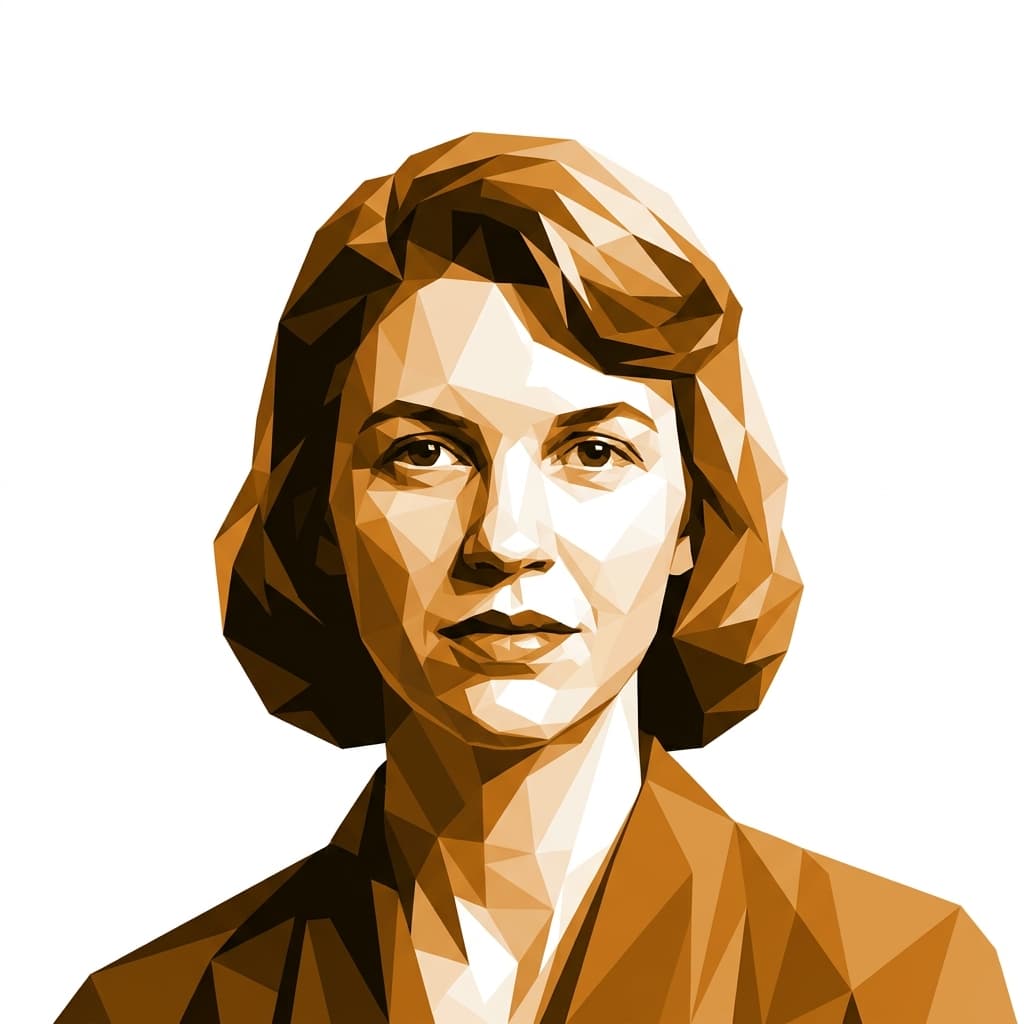
What do you and Sylvia Plath have in common?
Enter your birth details to find out