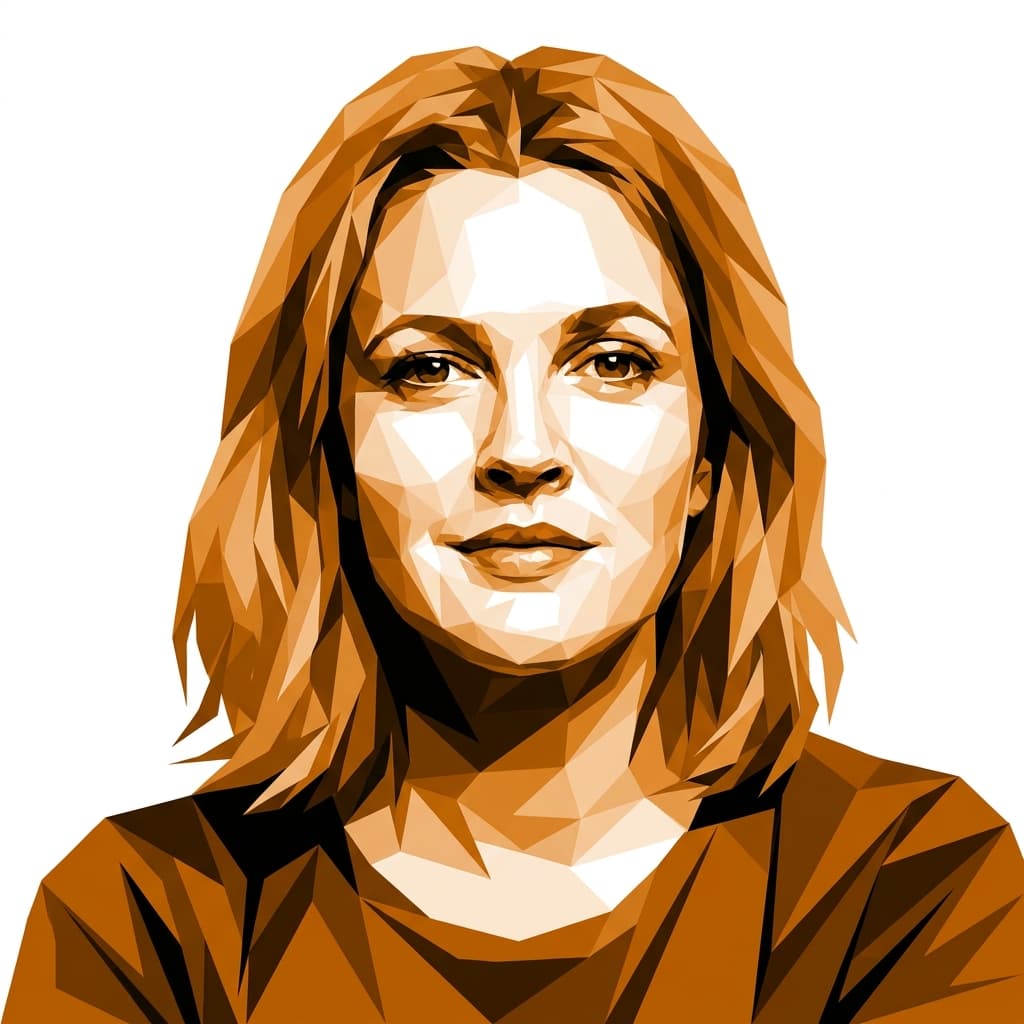
Argentine First Lady, actress, and political icon who championed the poor and women's suffrage.
Design
- Q13.5
- h7.5
- R2.3
- g9.6
- i16.6
- S41.5
- T37.1
- U37.4
- V52.3
- W29.1
- X30.3
- Y33.1
- Z52.2
Personality
- Q2.3
- h1.3
- R4.2
- g34.5
- i20.5
- S51.5
- T12.2
- U2.4
- V39.3
- W4.3
- X55.2
- Y31.5
- Z52.2
Eva Perón was a Manifesting Generator — designed to juggle multiple passions at once and move fast when her gut said yes — and the arc of her short, incandescent life follows exactly that pattern. Born illegitimate in a dusty pampas town, she left for Buenos Aires at fifteen with almost nothing, hustled through radio serials and B-movies, married the rising Colonel Juan Perón in 1945, and by 1946 was the most talked-about woman in Argentina. She died at thirty-three. In seven public years she rewrote what a woman could be in Latin American politics.
Her 3/5 profile — the experimenter who becomes a crisis-time leader — is legible in every stage of her career. She learned acting by doing it badly and then better; she learned politics by watching Juan and improvising alongside him; she learned philanthropy by handing out banknotes, sewing machines, and houses from a desk piled with petitions. She was constantly figuring it out in public, in real time, and the projections she attracted — saint, whore, demagogue, martyr — were exactly the outsized expectations a 5 line magnetizes. She met them with the theatrical certainty of someone who had already lived several lives by twenty-five.
The Perónist rallies at Plaza de Mayo showcased a rare gift for knowing exactly when a crowd was ready to hear the next line. Her voice — trained on radio melodrama — carried a fullness that made a factory worker in the back row feel personally addressed. She spoke of the descamisados, the shirtless ones, and made passion the whole political argument. Opponents called it demagoguery. Her audiences called it the first time anyone in power had ever cried on their behalf. She provoked the oligarchy on purpose, naming enemies from the balcony, and the fury she generated was, she understood, half the point.
The Eva Perón Foundation was where her Manifesting Generator appetite for building fast, in many directions at once met an actual budget. She raised hospitals, orphanages, worker housing, holiday camps for poor children, entire towns, all while personally receiving petitioners late into the night. She would say yes to a woman needing a wedding dress and, in the same hour, commit fully to a hospital wing that hadn't existed that morning. Aides described her working past exhaustion, refusing to delegate the parts that mattered — the touching of hands, the direct look, the envelope pressed into a palm.
Her push for women's suffrage in 1947 was her clearest act of leadership by invitation — women had been asking for the vote for decades; she carried the ask into the room where it could be answered. She founded the Female Perónist Party and organized a movement of women who had never before been organized. Behind the public certainty, she was famously ruled by moods that arrived in waves — days of fever-pitch work followed by collapse, tearful arguments with Juan, then reconciliation and back to the desk. Diagnosed with cervical cancer in 1950, she refused to slow down. She campaigned for Juan's re-election from a wheelchair, delivered her final speech visibly dying, and by July 1952 was gone. The country stopped for two weeks. She had, in the end, built something too fast for the world to catch up to.
Sources: biography · birth data
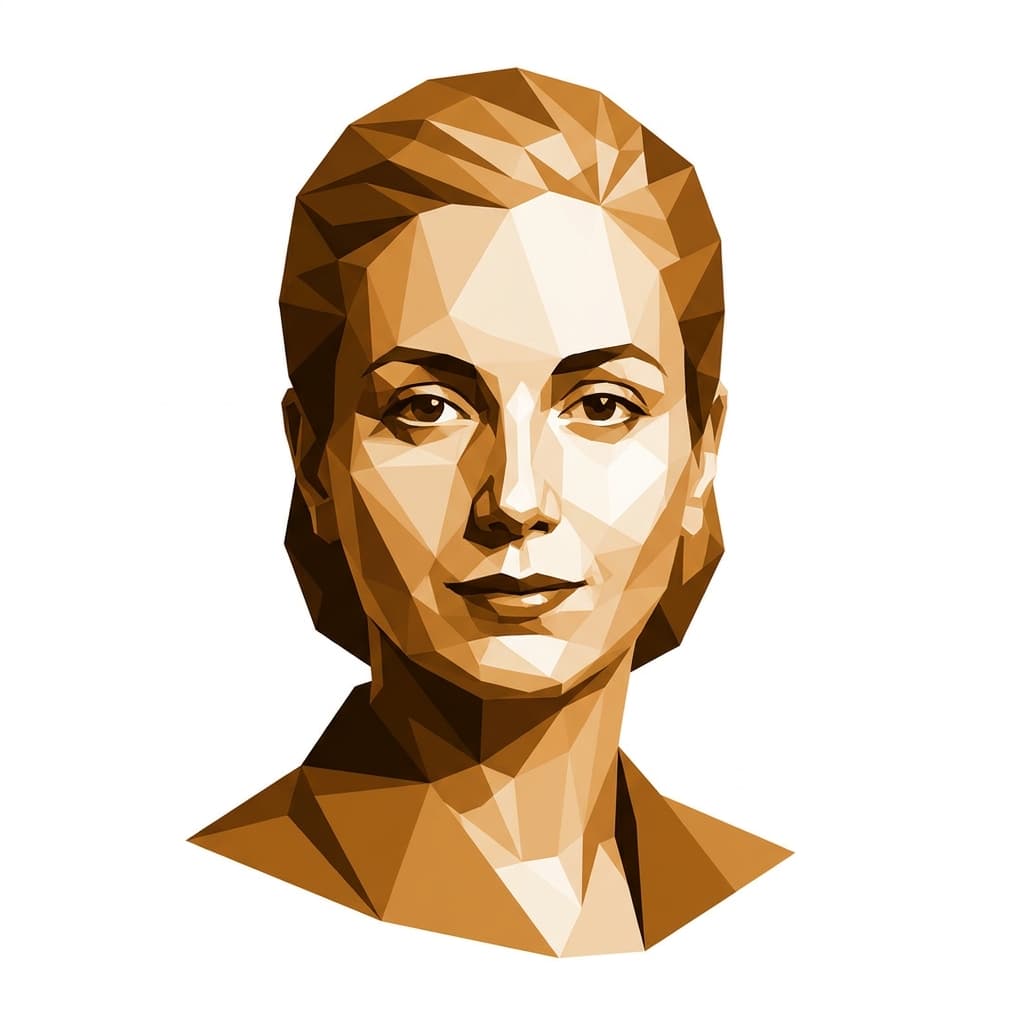
What do you and Eva Perón have in common?
Enter your birth details to find out