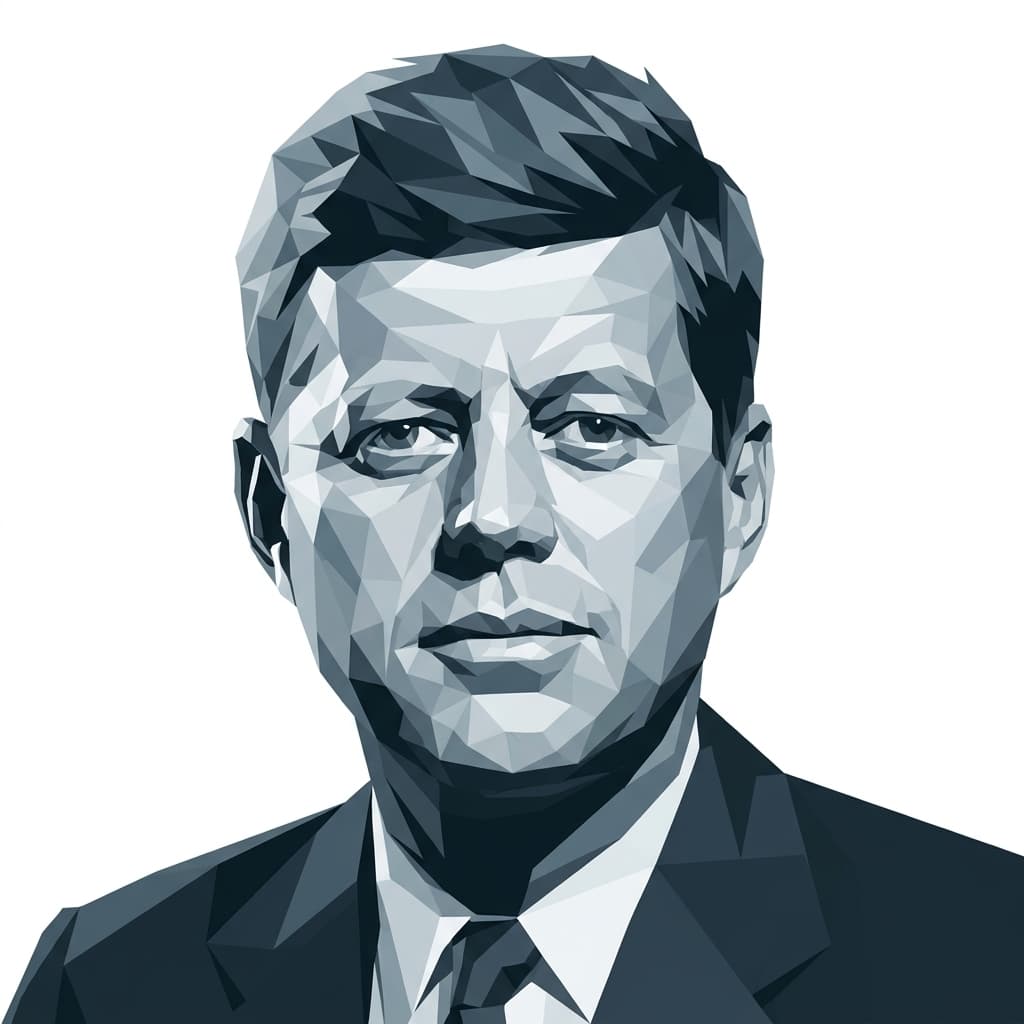
Paramore frontwoman and solo artist whose confessional pop-punk shaped a generation of alternative music.
Design
- Q18.5
- h17.5
- R45.6
- g63.3
- i64.3
- S50.1
- T29.2
- U17.1
- V16.1
- W11.5
- X11.6
- Y58.4
- Z44.4
Personality
- Q58.3
- h52.3
- R59.1
- g37.1
- i40.1
- S61.1
- T5.2
- U51.4
- V8.3
- W58.2
- X10.4
- Y38.1
- Z1.2
Hayley Williams is a Projector built to steward a band — someone whose authority on stage comes from how clearly she sees the people around her, not from brute output. She signed a solo development deal with Atlantic at 14, then famously refused to be marketed as a solo artist, insisting the label repackage the deal around her band Paramore. That move, before she could legally drive, is already the whole chart in miniature: a teenager who could see the system she was being slotted into and corrected it.
Paramore's career has been a trial-and-error experiment conducted in public — exactly what you'd expect from a 3/5 profile that learns by living through it. Band members have come and gone, lawsuits have been filed, hiatuses taken, sounds reinvented from pop-punk to new wave to the gospel-tinged This Is Why. Each era arrived with Williams standing up for something that actually mattered to her — against her old label, against the misogyny baked into the Warped Tour scene, against being frozen as the orange-haired teenager of "Misery Business," a song she eventually retired from setlists because its lyrics no longer reflected who she'd become.
Her decision-making has an emotional wave underneath it that's audible in the records themselves. After Laughter was written in the wake of a divorce and the near-collapse of the band; Petals for Armor, her first solo record, was made slowly, deliberately, over a year of therapy and journaling. She's talked openly about depression, about learning not to decide anything from the trough of it, about waiting until a song or a choice still feels right a week later. That patience shows up in how Paramore releases music — long gaps, no filler.
On stage she's a frontwoman with a voice that insists on being heard without apologizing for it, and off stage she's quietly become a tastemaker who signal-boosts smaller artists through her own label Good Dye Young and her radio show Everything Is Emo. She built the hair-dye company partly because she was tired of bleaching her hair with industrial product and partly because she saw a flaw in an existing system and wanted to fix it. The critical eye is always running — spotting what a scene or a song or an industry is getting wrong — but she's learned to aim it outward rather than at herself.
Williams has described Paramore as a chosen family, and the loyalty is real: she and Zac Farro reunited after years of estrangement, and the band's internal dynamics now function more like a small community with explicit agreements about what everyone owes each other. She waited for the right invitations before going solo, and when she did she protected her energy fiercely — refusing to tour Petals for Armor through the pandemic rather than force it. For someone whose teenage self was taught that burnout was the price of admission, the slow commitments she now says yes to look a lot like wisdom earned the hard way.
Sources: biography · birth data

What do you and Hayley Williams have in common?
Enter your birth details to find out