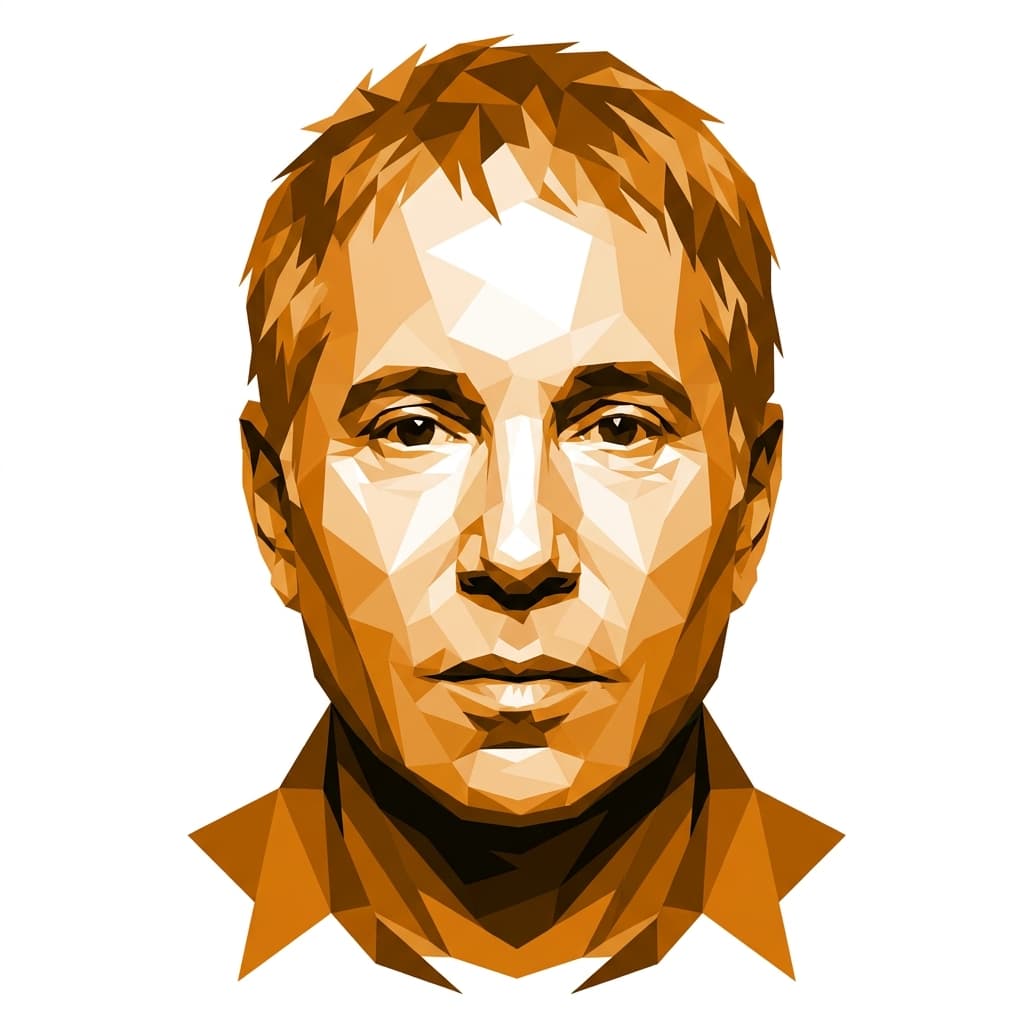
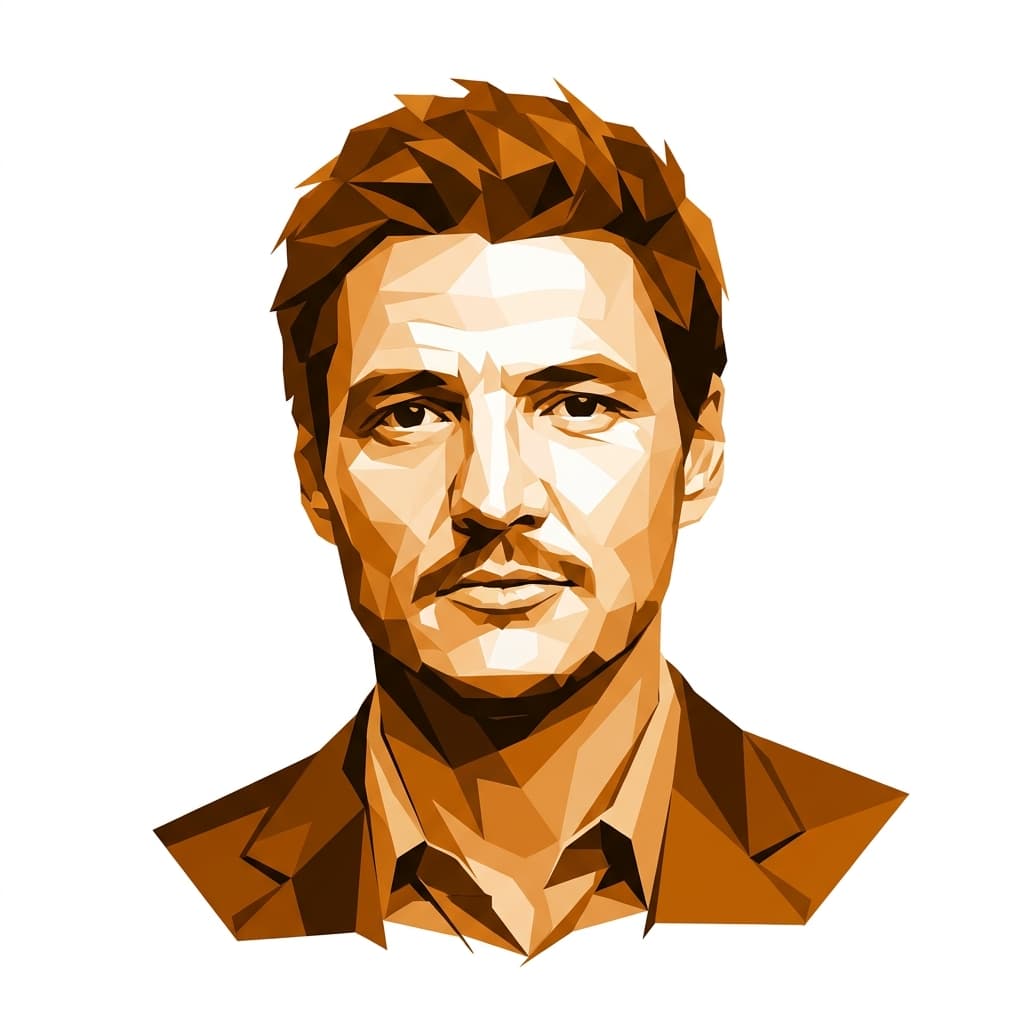
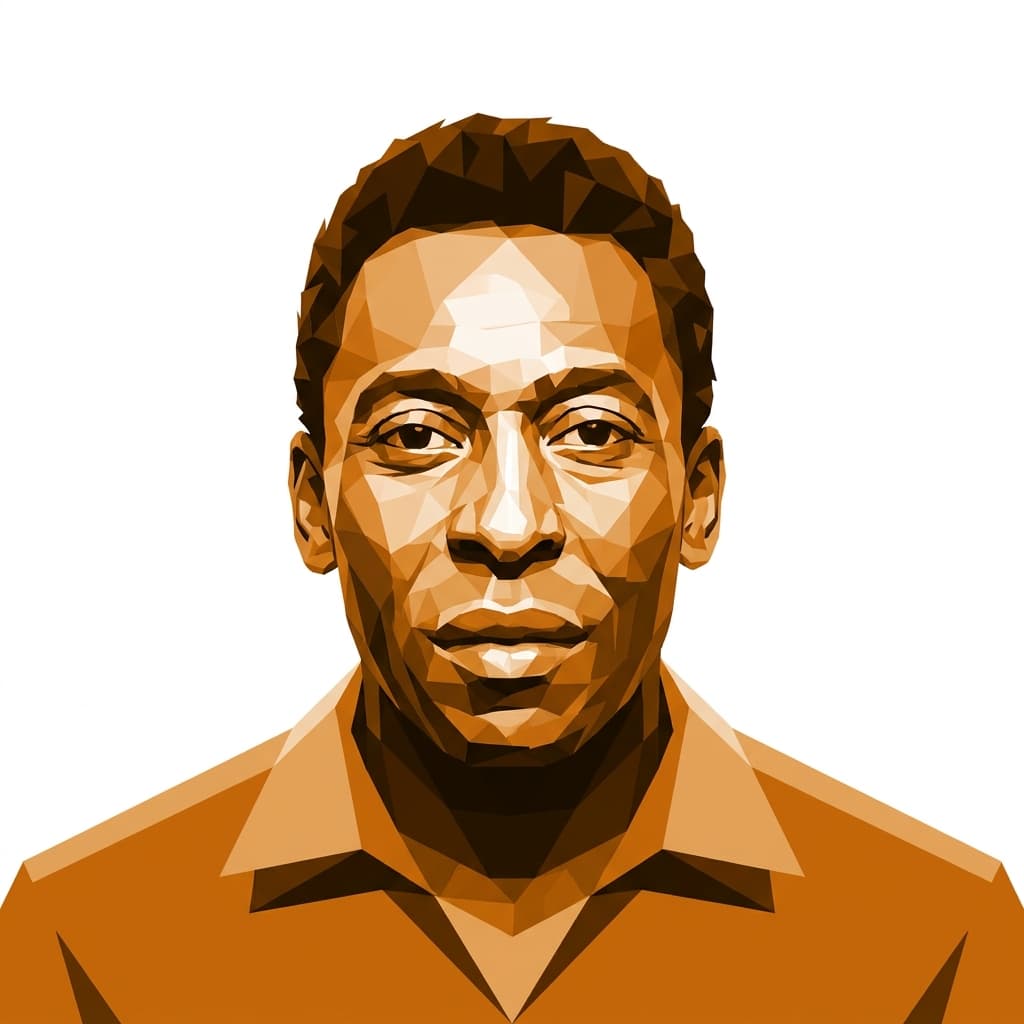
American actor known for Grease, Saturday Night Fever, and Pulp Fiction, whose career arcs through reinvention.
Design
- Q34.2
- h20.2
- R39.5
- g61.5
- i62.5
- S1.2
- T1.3
- U48.5
- V12.2
- W28.2
- X62.3
- Y32.5
- Z29.1
Personality
- Q30.6
- h29.6
- R40.6
- g61.4
- i62.4
- S63.5
- T55.5
- U34.6
- V35.6
- W44.2
- X53.5
- Y32.6
- Z4.6
John Travolta is a Manifesting Generator — built for speed and multi-track obsession, and his career has never looked like anyone else's tidy timeline. He was disco's white-suited prince in Saturday Night Fever, the leather-jacketed greaser of Grease, then a punchline by the late 80s, then John Gotti-meets-Vincent-Vega in Pulp Fiction, then a Scientologist sci-fi auteur, then a dancing father in Hairspray. Most actors get one defining role. Travolta has had three or four, each separated by a stretch where the industry assumed he was done.
That non-linear arc is the texture of a 6/2 profile, the role model who lives in distinct chapters — youthful experimentation, a long withdrawal, and then a re-emergence as someone people look to. His Brooklyn-kid scrappy years gave way to a wilderness period in the 80s (Two of a Kind, Perfect, Look Who's Talking sequels), the kind of stretch a 6/2 needs to disappear into before the wisdom that comes from living it badly first can resurface. Quentin Tarantino, famously, found him at a low ebb and cast him anyway, which is the 6/2 story in miniature: someone sees what's effortless in you when you've stopped seeing it yourself.
His decisions have always been the kind that take time to settle — Travolta is notorious for sitting with scripts, mulling, sometimes circling back years later. He turned down An Officer and a Gentleman, American Gigolo, and (legendarily) the Richard Gere role in countless properties; he also said yes to Battlefield Earth after decades of wanting it. The misses and the hits both have the fingerprint of an emotional wave that needs to crest before clarity lands, and a willingness to chase passion projects with the intensity of someone who wants to feel everything fully.
The dancing is where his Type shows up most cleanly. The Bee Gees strut down a Bay Ridge sidewalk, the hand jive in the gym, the twist contest with Uma Thurman — these are the moments of a body that responds before the mind catches up. He's described choreography as something he absorbs in a single afternoon; the raw vitality that lifts a whole room is what made him a movie star in the first place, not his acting per se. When that energy is engaged, he's magnetic; when it isn't, he sleepwalks through paycheck movies, and everyone can tell.
His off-screen life has been a pursuit of meaning through chosen struggle as much as a celebrity story. The pilot's license, the 707 parked at his Florida home with its own taxiway, the deep Scientology involvement, the loss of his son Jett in 2009 — Travolta has lived through versions of himself the public got to watch in real time, and kept showing up. There's a real talent for sensing what's worth preserving and what to let go in how he's managed a 50-year career, alongside the timing instincts of a performer who knows exactly when to land a line.
What's left, after all the comebacks, is someone whose original screen presence still feels like nobody else's — the half-smile, the cocked head, the surprising softness in a big guy. Travolta's genius was never craft in the De Niro sense; it was a presence you can't manufacture, deployed at the exact moments a culture needed it.
Sources: biography · birth data

What do you and John Travolta have in common?
Enter your birth details to find out