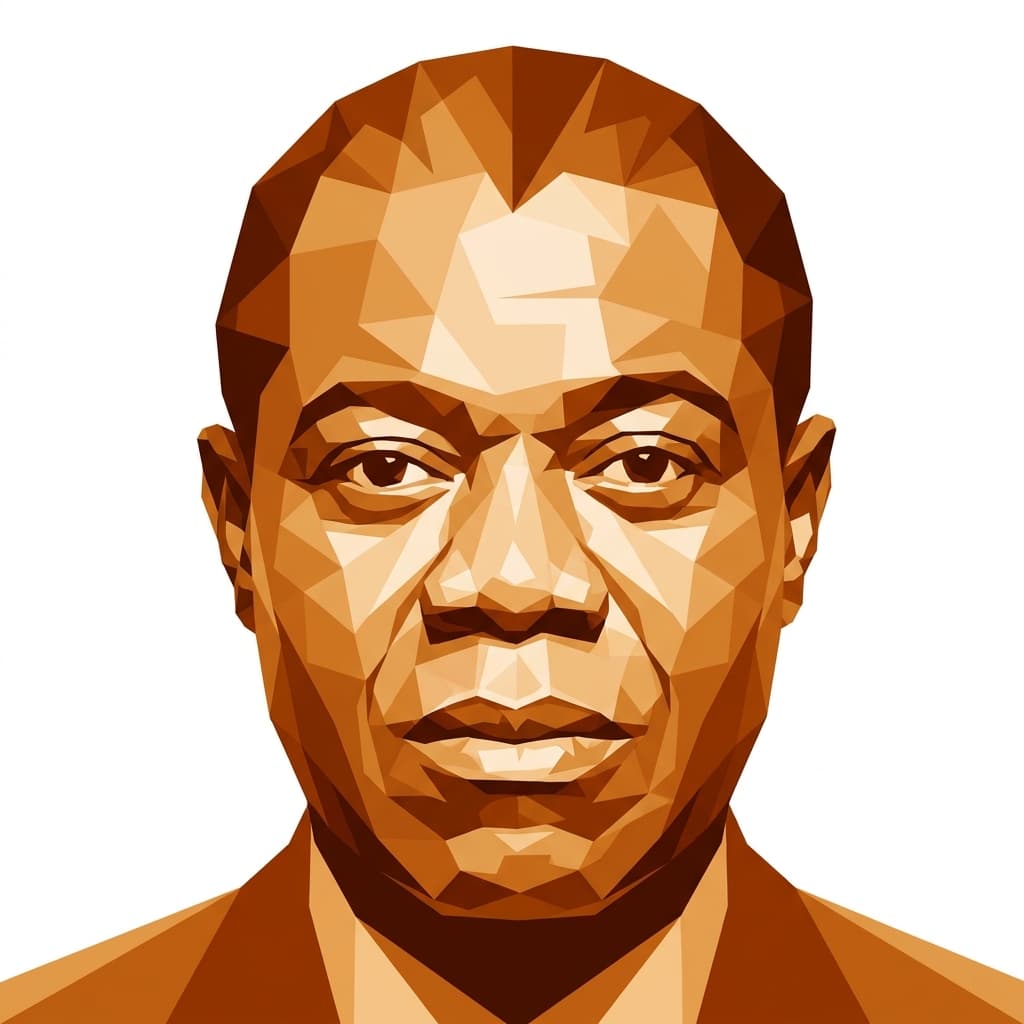
American singer-songwriter behind Simon & Garfunkel and Graceland, one of the great American lyricists.
Design
- Q62.1
- h61.1
- R25.3
- g6.3
- i36.3
- S52.3
- T7.2
- U17.4
- V16.6
- W8.2
- X8.6
- Y6.3
- Z31.2
Personality
- Q57.5
- h51.5
- R53.3
- g47.6
- i22.6
- S44.5
- T34.3
- U51.1
- V45.5
- W8.4
- X8.6
- Y46.1
- Z31.4
Paul Simon is a Manifesting Generator — wired to chase several musical obsessions at once without ever settling into one lane — and his catalog is the proof. From the literary folk-pop of The Sound of Silence through the gospel of Bridge Over Troubled Water, the South American street rhythms of The Rhythm of the Saints, and the township jive of Graceland, he has refused to repeat himself. Each pivot looked impulsive from the outside but, by his own account, followed a gut-level yes he couldn't fully explain — he'd hear a rhythm on a cassette tape or a chord on someone's guitar and just know it was the next thing.
He's a 5/1 profile, the practical problem-solver who has to build a foundation before he leads, and you can see it in how he works. Before Graceland, he spent months in Johannesburg studios learning what the local musicians were actually doing, going deep before stepping out as a guide. His songwriting process famously involves obsessive research and repetition until a phrase is exactly right — Simon has described rewriting single lines hundreds of times, treating mastery as a craft built over decades rather than a flash of inspiration.
The lyrics themselves carry his analytical signature. The Boxer, American Tune, Slip Slidin' Away — these are songs that structure complicated feelings into clean, logical observations, where every detail earns its place. He has a novelist's eye for the small precise image: the radio playing songs of love, the cinematography in Arizona, the girl in New York City who calls herself the human trampoline. He builds opinions about America the way someone might build an argument, then sings them softly enough that they slip past your defenses.
His career has been shaped by waiting for the right thing to show up before chasing it. Simon & Garfunkel itself came back from a school-yard friendship that resurfaced; Graceland began when a friend handed him a tape labeled Gumboots. He's also weathered the emotional turbulence of a long creative life — the public fights with Garfunkel, the controversy over recording in apartheid-era South Africa, the years of writer's block — and tends to process publicly only after the storm has passed, in songs rather than interviews.
What's most striking about Simon as a performer is how reluctant he is about the role. He's a leader who clearly prefers the studio to the stage, the small ensemble to the stadium, and yet his influence on American songwriting is hard to overstate. He's been quietly the person other musicians study — the one who put Ladysmith Black Mambazo and Los Lobos in front of millions, who helped shape what a pop song could even be about.
Now in his eighties, Simon has spoken openly about hearing loss and the strange sudden clarity that arrived through a dream instructing him to make his recent album Seven Psalms. It's a fittingly Paul Simon ending to a Paul Simon story: a quiet revelation, taken seriously, worked on for years, released without fanfare. He kept following what genuinely lit him up, one record at a time, and somehow ended up building an American songbook.
Sources: biography · birth data
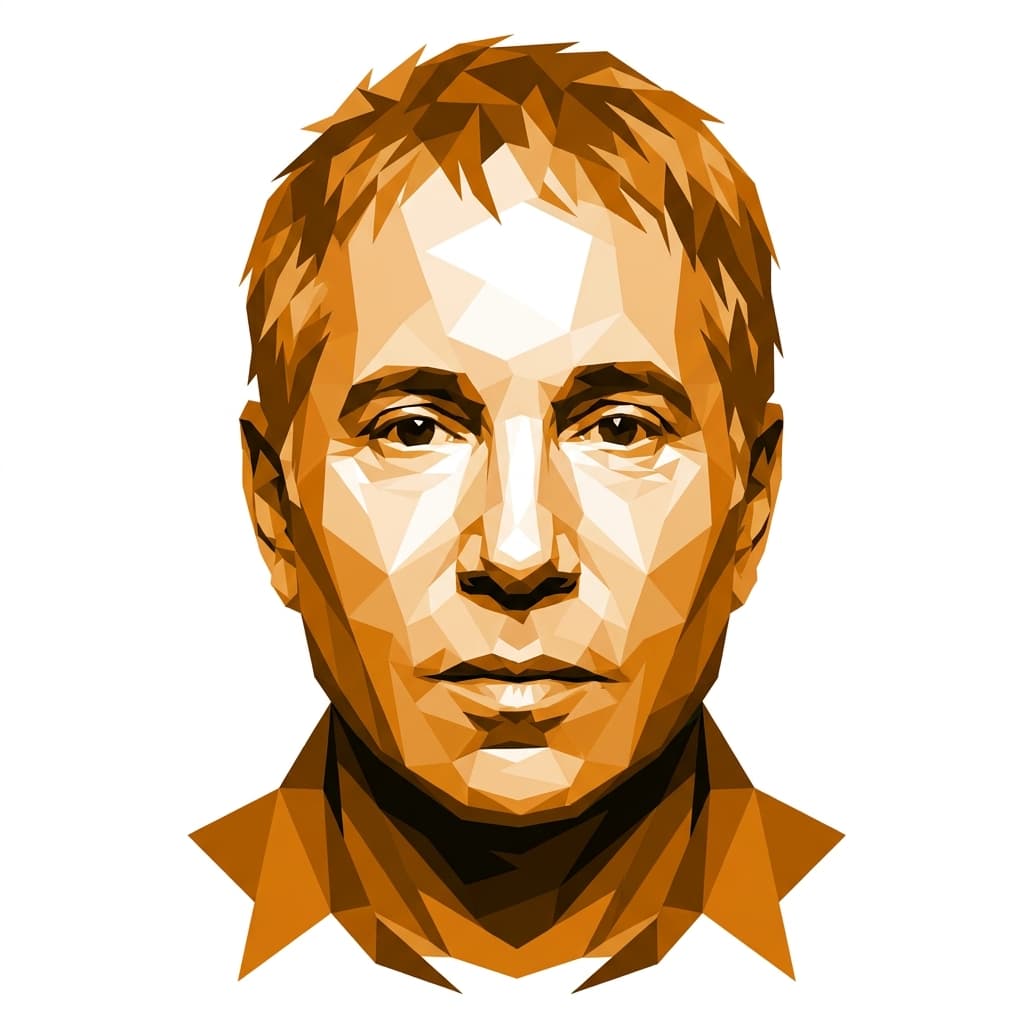
What do you and Paul Simon have in common?
Enter your birth details to find out