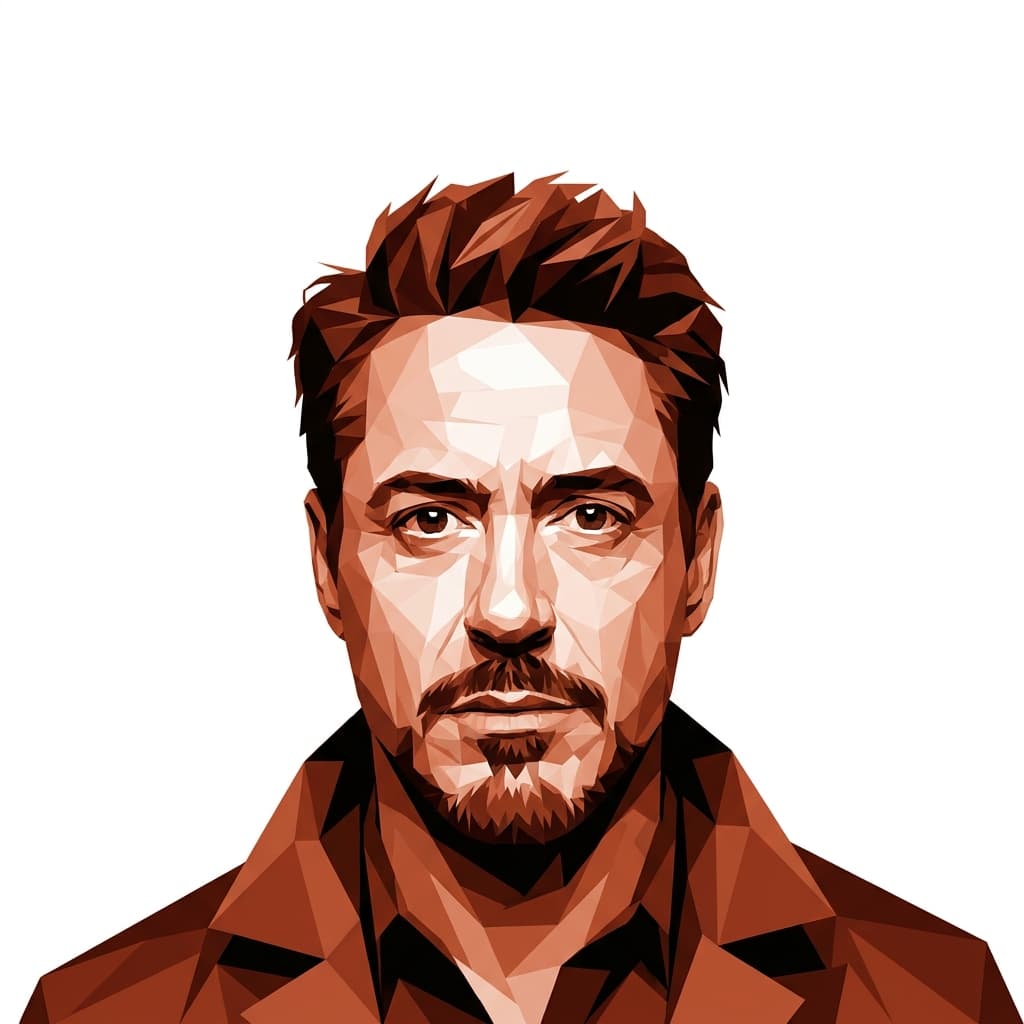
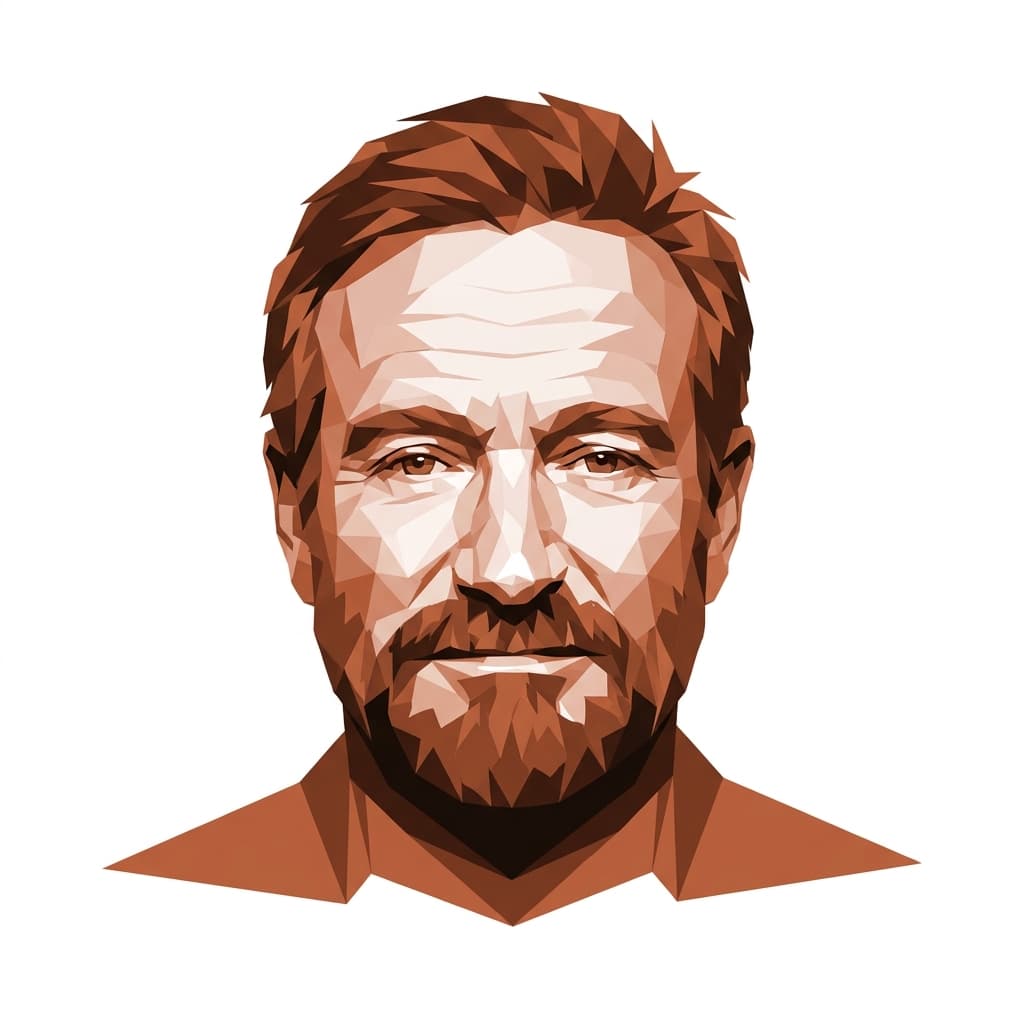
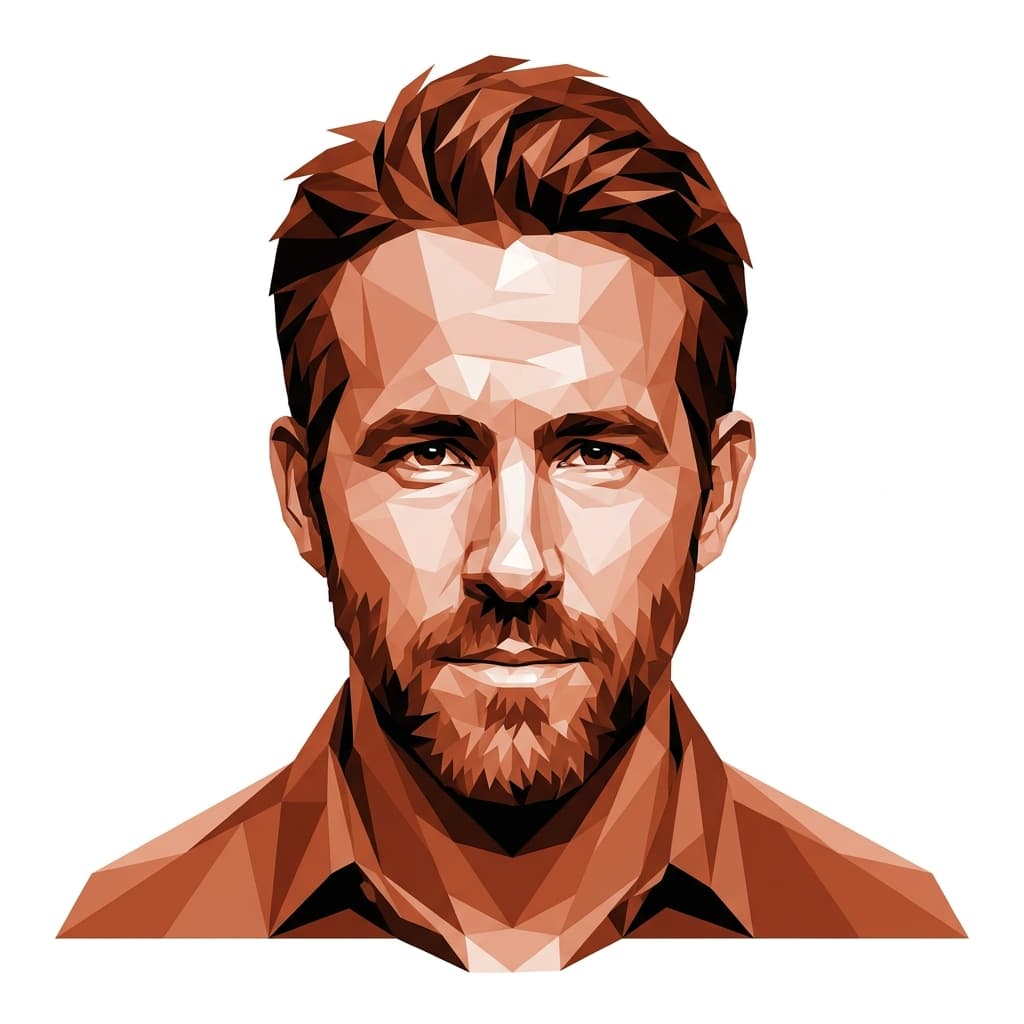
American actor whose nine-decade career spanned vaudeville, MGM stardom, eight marriages, and relentless reinvention.
Design
- Q15.5
- h10.5
- R48.4
- g1.2
- i2.2
- S56.1
- T15.2
- U32.4
- V7.4
- W40.2
- X55.6
- Y33.3
- Z52.4
Personality
- Q46.3
- h25.3
- R19.1
- g28.6
- i27.6
- S48.3
- T32.2
- U5.2
- V40.1
- W64.6
- X55.3
- Y33.6
- Z52.6
Mickey Rooney was a Generator with an engine that never seemed to shut off — he started performing on vaudeville stages at seventeen months old and was still taking roles when he died at ninety-three. Between those two dates he made more than 300 films, married eight times, went bankrupt, won honorary Oscars, taped sitcoms, danced on Broadway in his sixties, and generally refused to stop. The sheer stamina of the man is the first thing anyone has to account for.
By the late 1930s he was, improbably, the biggest box office star in America — bigger than Gable, bigger than Tracy. The Andy Hardy pictures and the Judy Garland musicals made MGM a fortune, and Rooney was the engine driving them: singing, hoofing, mugging, improvising, an original with a style no one else could duplicate. Louis B. Mayer kept him on a punishing schedule because Rooney simply kept saying yes, that full-bodied gut yes that didn't need a reason. He loved the work. He loved applause. The problem, as he'd later admit, was that he never learned to say no.
His 3/5 profile — the experiential trial-and-error learner who ends up as a reluctant teacher — maps uncomfortably well onto his personal life. He married Ava Gardner at 21 and divorced her within the year. Seven more wives followed, including Barbara Ann Thomason, who was murdered by her lover in Rooney's own home in 1966. He blew through an estimated $12 million fortune and declared bankruptcy in 1962, learning the hard way what wasn't worth his energy and then, with characteristic candor, telling anyone who'd listen exactly what he'd done wrong. Projection came with the territory; everyone had an opinion about Mickey Rooney, and most of them were wrong.
What saved him professionally was his refusal to settle into any one rhythm. When the Andy Hardy era ended and MGM dropped him in 1948, he reinvented as a character actor, then a nightclub performer, then a dramatic lead in Requiem for a Heavyweight, then a Broadway star in Sugar Babies, then a voice actor, then a sitcom guest. He lived in extremes and seemed to need them — long stretches of consistent routine made him restless, while chaos somehow produced his best work. His Oscar-nominated turn in The Black Stallion came at 59, decades after Hollywood had declared him finished.
He talked openly about his religious conversion in the 1970s, maintaining a kind of child-like wonder through genuinely shocking losses — the murder, the bankruptcies, the public humiliations. In his last years he testified before the Senate about elder abuse, having been financially exploited by his own stepson, and used his platform to turn hard-won experience into something useful for others. It was late-career Rooney at his most 3/5: here's what happened to me, here's what I learned, pay attention.
What endures isn't any single performance but the fact of him — the compressed, inexhaustible, deeply embodied performer who seemed physically incapable of giving less than everything. Laurence Olivier called him the greatest actor of them all. That was probably overstatement, but it pointed at something real: Rooney worked from his gut, took the next job, and kept going.
Sources: biography · birth data

What do you and Mickey Rooney have in common?
Enter your birth details to find out