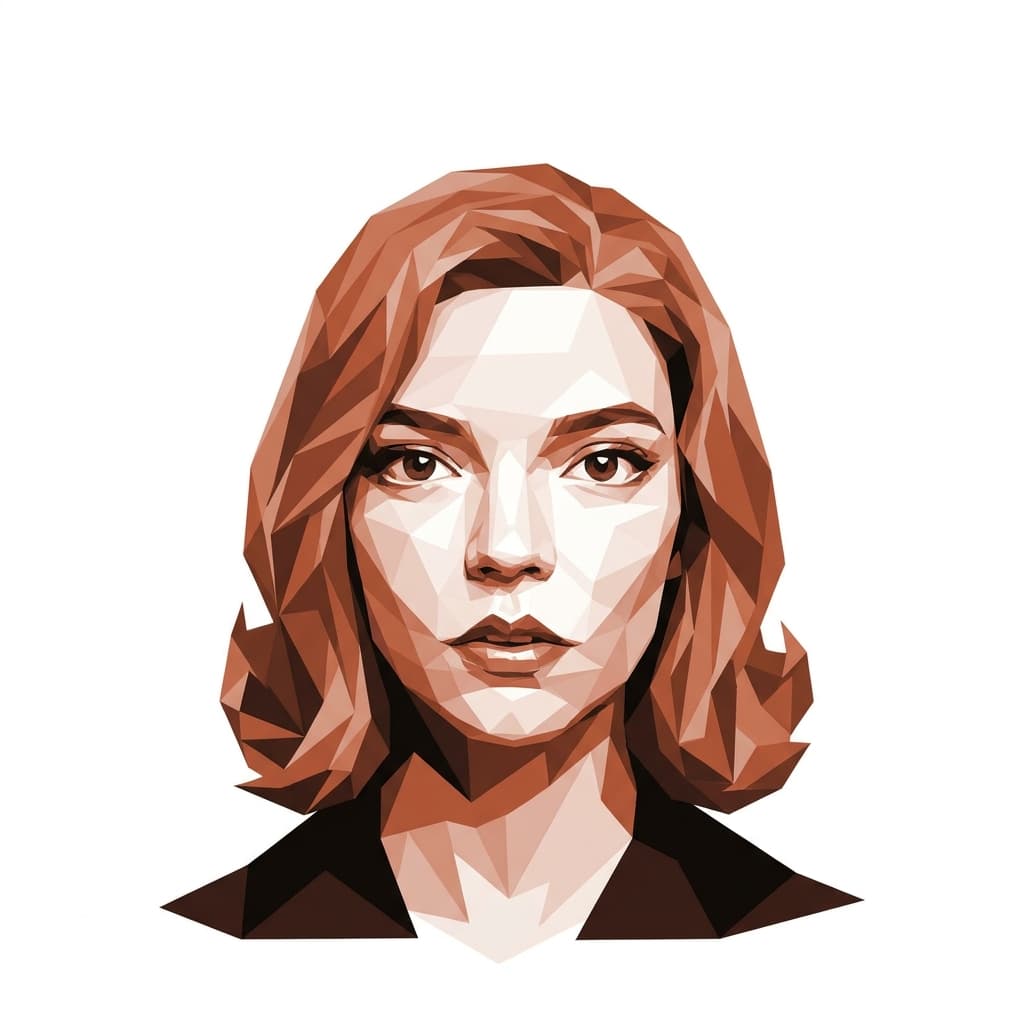
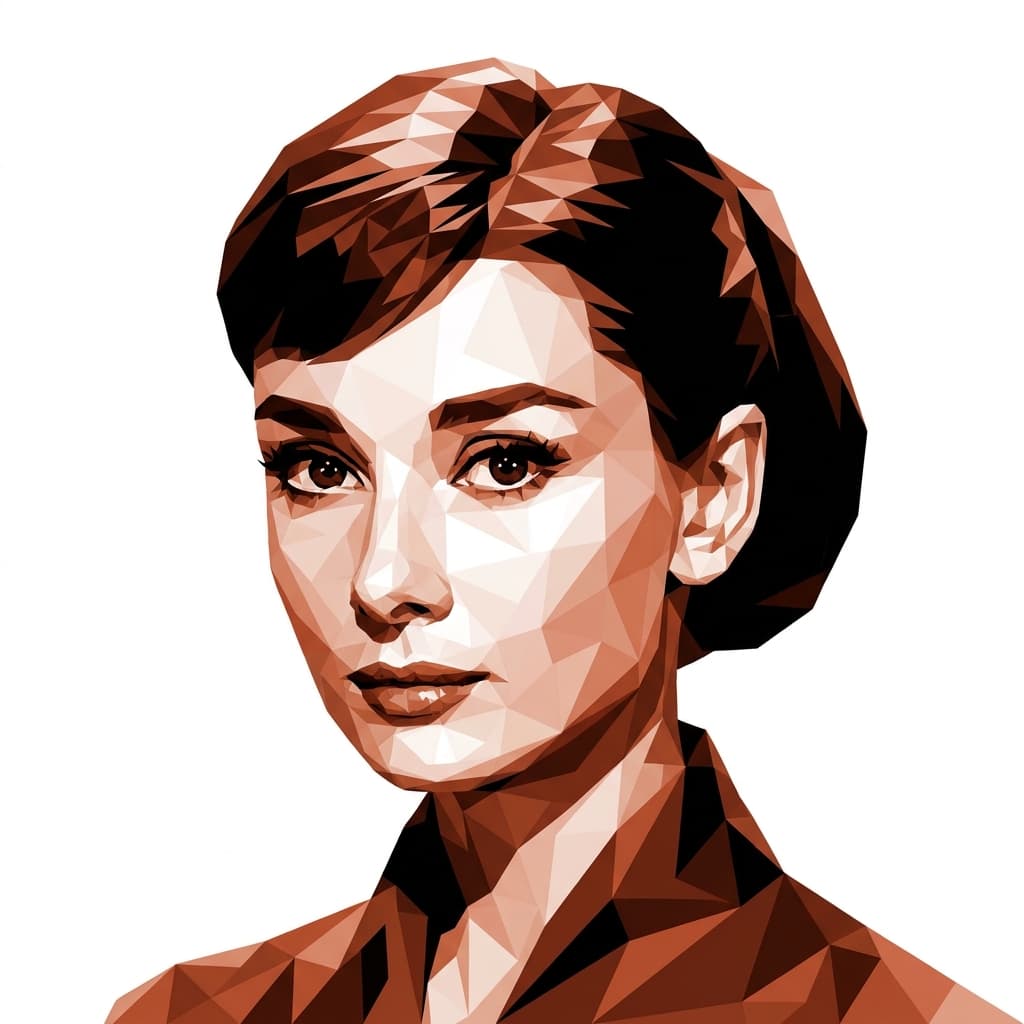
American actress, musician, and writer known for Stranger Things and her introspective folk records.
Design
- Q51.4
- h57.4
- R40.6
- g40.5
- i37.5
- S51.1
- T55.3
- U3.1
- V63.4
- W42.3
- X19.5
- Y60.6
- Z9.3
Personality
- Q53.2
- h54.2
- R58.3
- g59.3
- i55.3
- S33.5
- T45.1
- U15.4
- V36.6
- W27.1
- X19.5
- Y60.6
- Z34.6
Maya Hawke is a Generator — built with the stamina to work deeply in multiple crafts at once, which is why acting, music, and writing all seem to run in parallel for her rather than in sequence. The daughter of Ethan Hawke and Uma Thurman, she grew up around film sets and dinner-table conversations about art, but her path to attention was slower and stranger than pedigree suggested. Dyslexia made school hard; she's talked openly about feeling like the kid who couldn't keep up, and how theater at Saint Ann's became the place where she could finally be good at something.
She dropped out of Juilliard after her first year to take a role as Jo March in the BBC's Little Women, then landed Robin Buckley on Stranger Things — a character she helped shape into one of the show's fan favorites. Robin's rapid-fire monologues and awkward tenderness feel very Maya: she reads as someone with a natural pull toward solitude balanced with community, the kind of performer who seems to be watching the room even while she's the center of it. She's said in interviews that she needs long stretches alone to write, then wants to burst back out and collaborate.
Her music is where the emotional wave that needs time to settle shows up most plainly. Her three albums — Blush, Moss, and Chaos Angel — were written slowly, in journals, over years, and she often talks about the discomfort of releasing a song a year after the feeling that made it. The records themselves circle around the fullness of moods that don't need to be explained, with lyrics that catalogue emotional storms and the wisdom left behind after they pass. She's not shy about naming her privilege, her heartbreaks, or her contradictions.
There's a persistent thread of caretaking in how she works — with her father on the film Wildcat, where she played Flannery O'Connor and he directed; with her brother Levon, who joins her on tour; with the collaborators she keeps returning to, like producer Christian Lee Hutson. This is the caretaker energy that has to learn which relationships actually deserve it, paired with a real appetite for community and chosen family. She writes songs about friendship the way most people write love songs.
She has also been open about how much she starts things just to see what wants to begin — screenplays, poems, side projects, a novel-in-progress she talks about but hasn't finished. Interviewers often note her restlessness; she seems to need variety in her rhythms the way other people need routine, which is probably why she's never picked between acting and music even when advisors suggested she should. She once said she doesn't believe in choosing.
What's most striking about Hawke in public is how she navigates being watched. She has the questioner's instinct to poke at received wisdom, including her own myths, and she talks about nepotism, therapy, and self-doubt with a candor that reads less like oversharing than like waiting until the story is ready to be told well. She's still early in a career that seems designed to unfold slowly, on her own time.
Sources: biography · birth data
What do you and Maya Hawke have in common?
Enter your birth details to find out