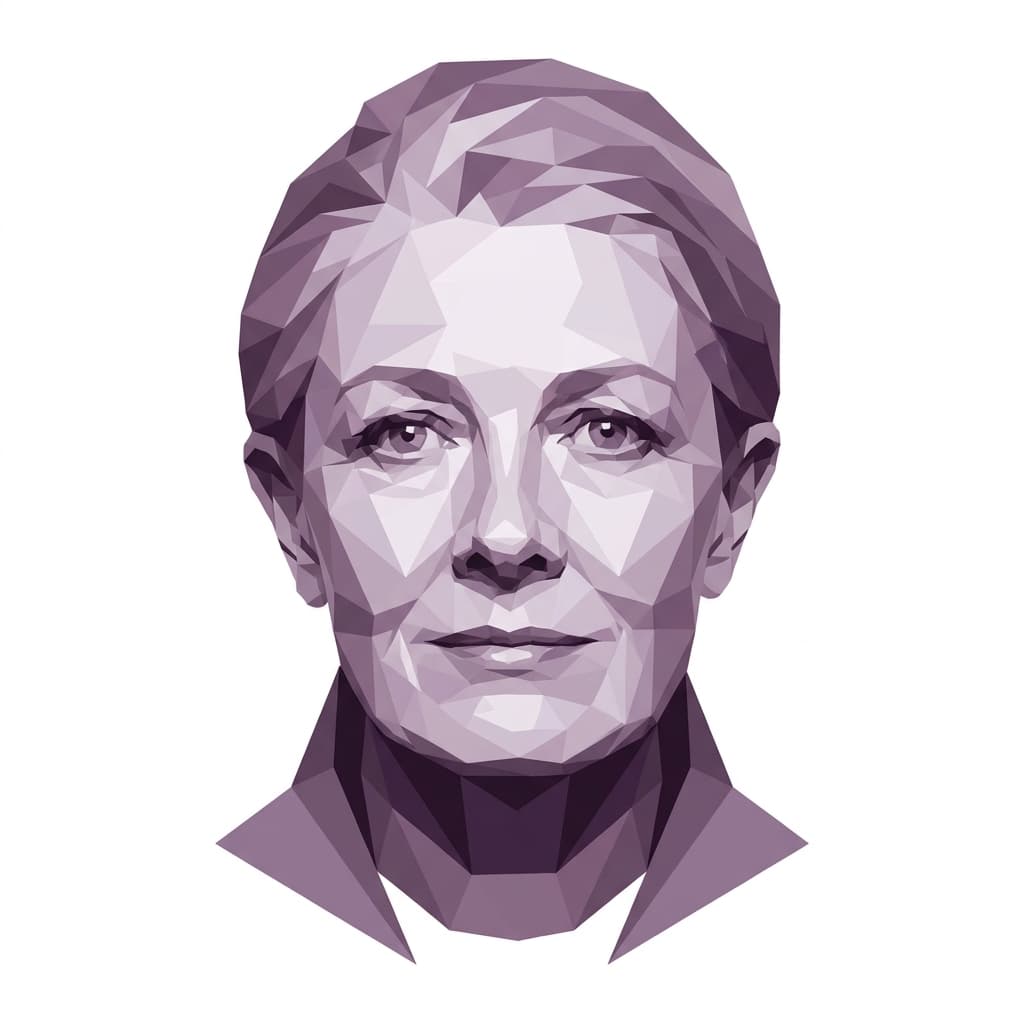
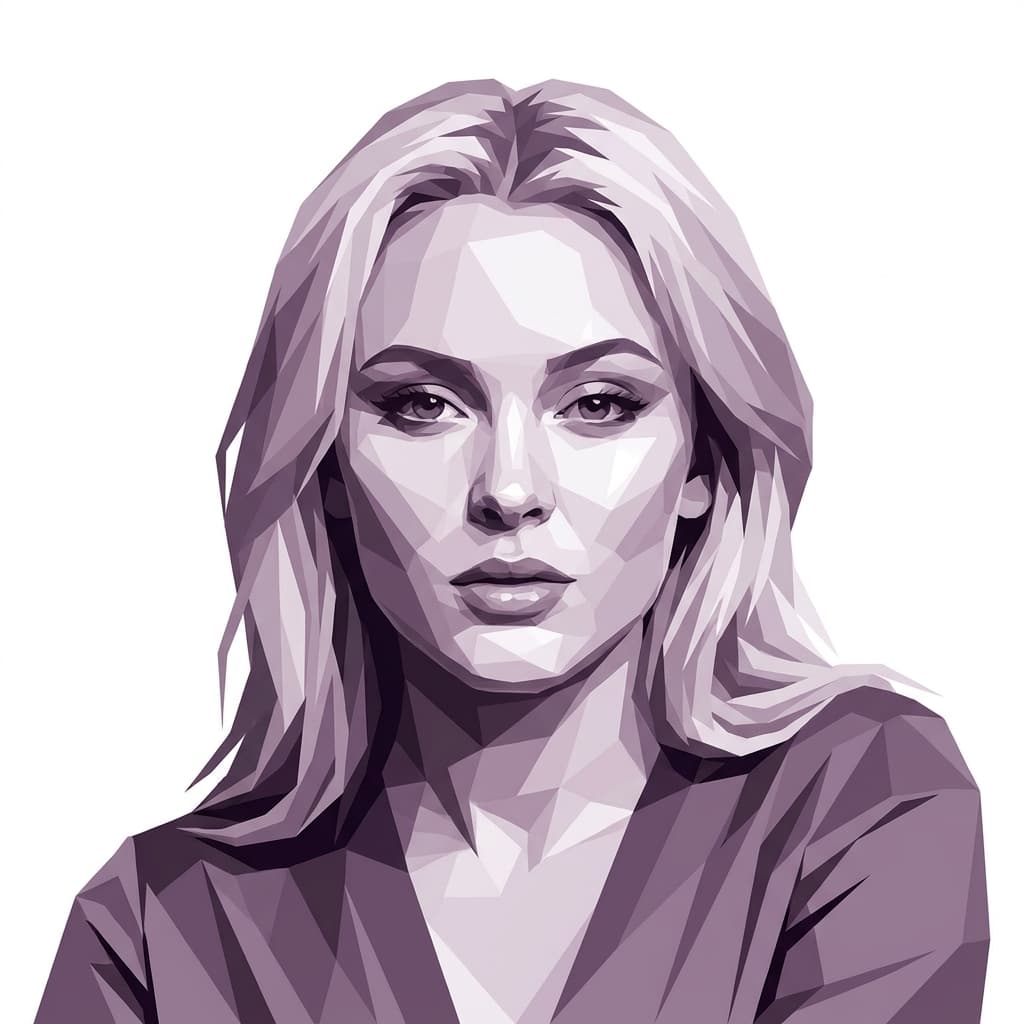
Oscar-winning American actress known for emotionally complex roles across independent film and studio drama.
Design
- Q64.3
- h63.3
- R36.4
- g64.5
- i63.5
- S47.3
- T18.1
- U45.6
- V11.2
- W38.3
- X4.5
- Y28.6
- Z40.1
Personality
- Q5.1
- h35.1
- R45.4
- g40.6
- i37.6
- S14.1
- T61.2
- U53.3
- V58.5
- W54.2
- X29.2
- Y44.3
- Z40.3
Julianne Moore is a Manifestor — wired to initiate, disrupt, and follow her own creative instincts rather than wait for permission — and her career reads exactly like that. She left a soap opera (winning a Daytime Emmy on her way out) and pivoted into serious film work in her early thirties, an unusual trajectory that suggests someone acting on private impulse rather than industry timing. She has been remarkably prolific in bursts, then quiet, choosing small films and directors nobody else is chasing.
Her breakthrough came with Robert Altman's Short Cuts in 1993 — the famous unbroken monologue delivered while half-dressed — and then a string of collaborations with Todd Haynes, Paul Thomas Anderson, and the Coen brothers that established her as the actress directors call when a role requires unraveling in slow motion. That capacity to inhabit destabilizing emotional territory — Carol White in Safe, Cathy Whitaker in Far From Heaven, Alice Howland in Still Alice — reflects her Emotional Authority, a chart wiring that lets her ride waves other performers flinch from. Playing Alzheimer's, she reportedly spent months meeting with women in early-stage decline, surrendering to intensity most people would refuse to sit inside.
She is famously methodical about preparation, the kind of actress who reads everything and interviews everyone before she arrives on set. That is the 1/3 profile at work — the investigator who needs a foundation, married to the experimenter who learns by doing and by messing up. Interviews with her collaborators consistently mention her need to understand why a scene works the way it does, and her willingness to try a take five different ways to find out. She talks openly about films that didn't land — The Big Lebowski aside, she'll name the flops — treating them as data rather than embarrassment.
Off-screen she has been a steady, unshowy political voice, particularly on gun control after Sandy Hook, co-founding the Everytown Creative Council. There is a fighter's energy in how she picks her causes, never scattershot, and a critic's eye for what specifically needs fixing in a system rather than vague outrage. She has written a series of children's books (the Freckleface Strawberry series, drawn from her own childhood) — the kind of side project that suggests ideas arriving faster than any one career can hold.
Her marriage to director Bart Freundlich, her long residency in the same West Village townhouse, her insistence on raising her children in New York rather than Los Angeles — all point to someone who has built rituals and rhythms that anchor a very public life. Friends describe her as fiercely loyal, protective of a small circle, the emotional connective tissue of the family she and Freundlich built. At the 2015 Oscars, accepting for Still Alice, she thanked her husband by saying she'd chosen him and would choose him again — the kind of commitment that only lands when it's been felt all the way through, spoken from the calm on the other side of the wave.
Sources: biography · birth data
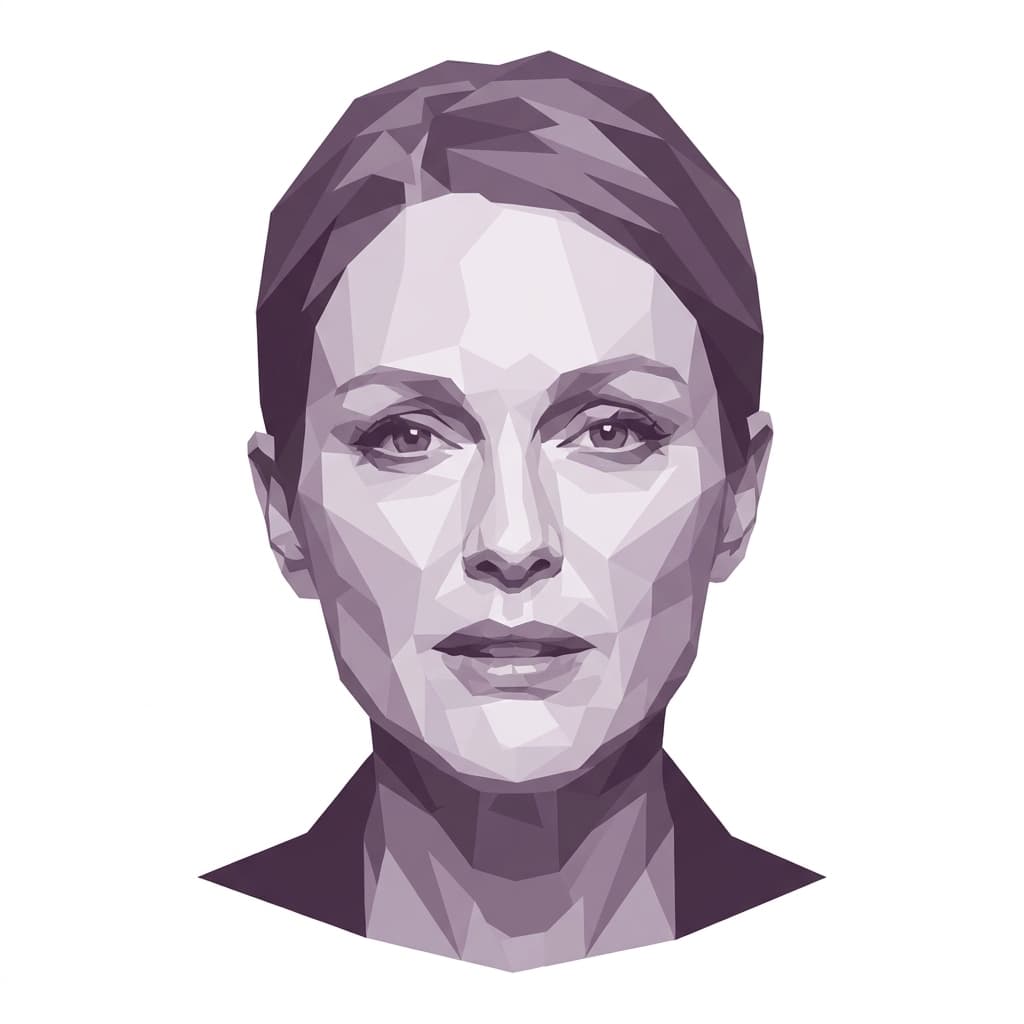
What do you and Julianne Moore have in common?
Enter your birth details to find out