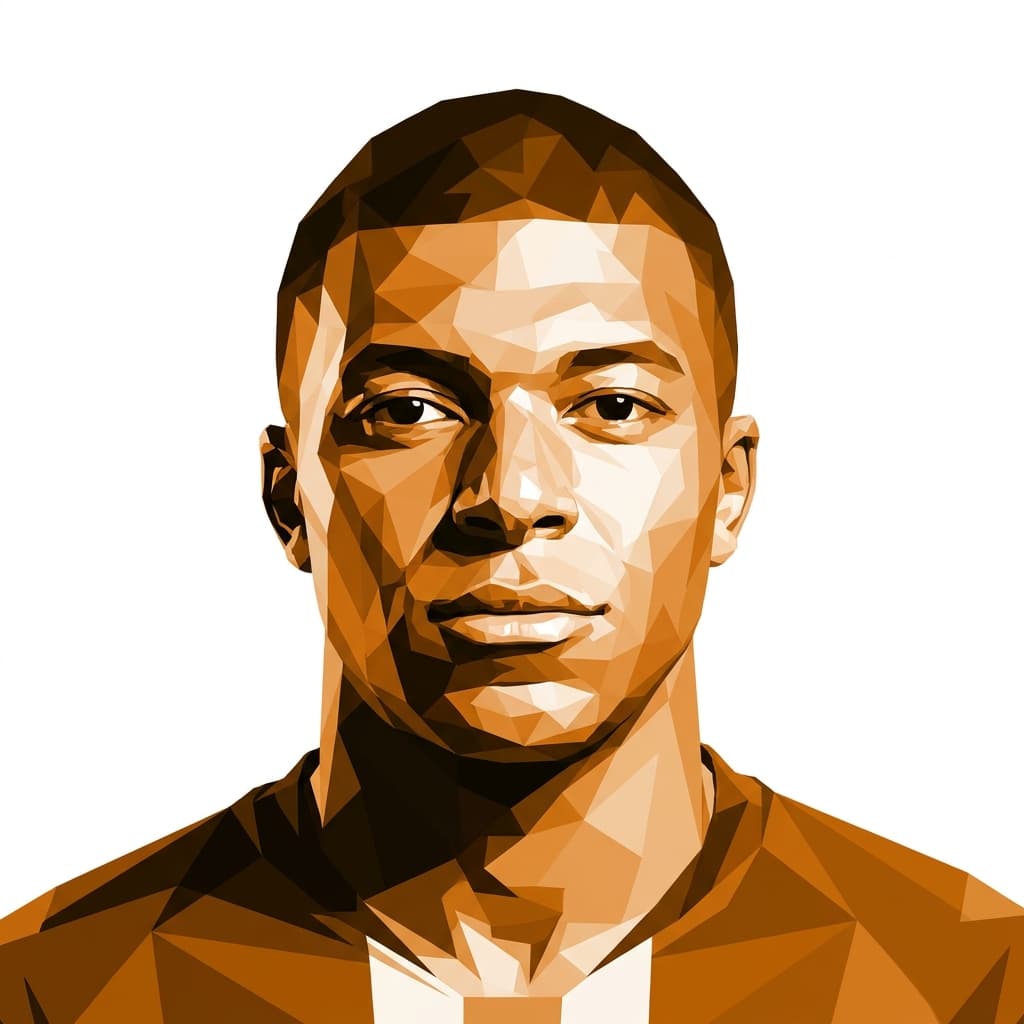
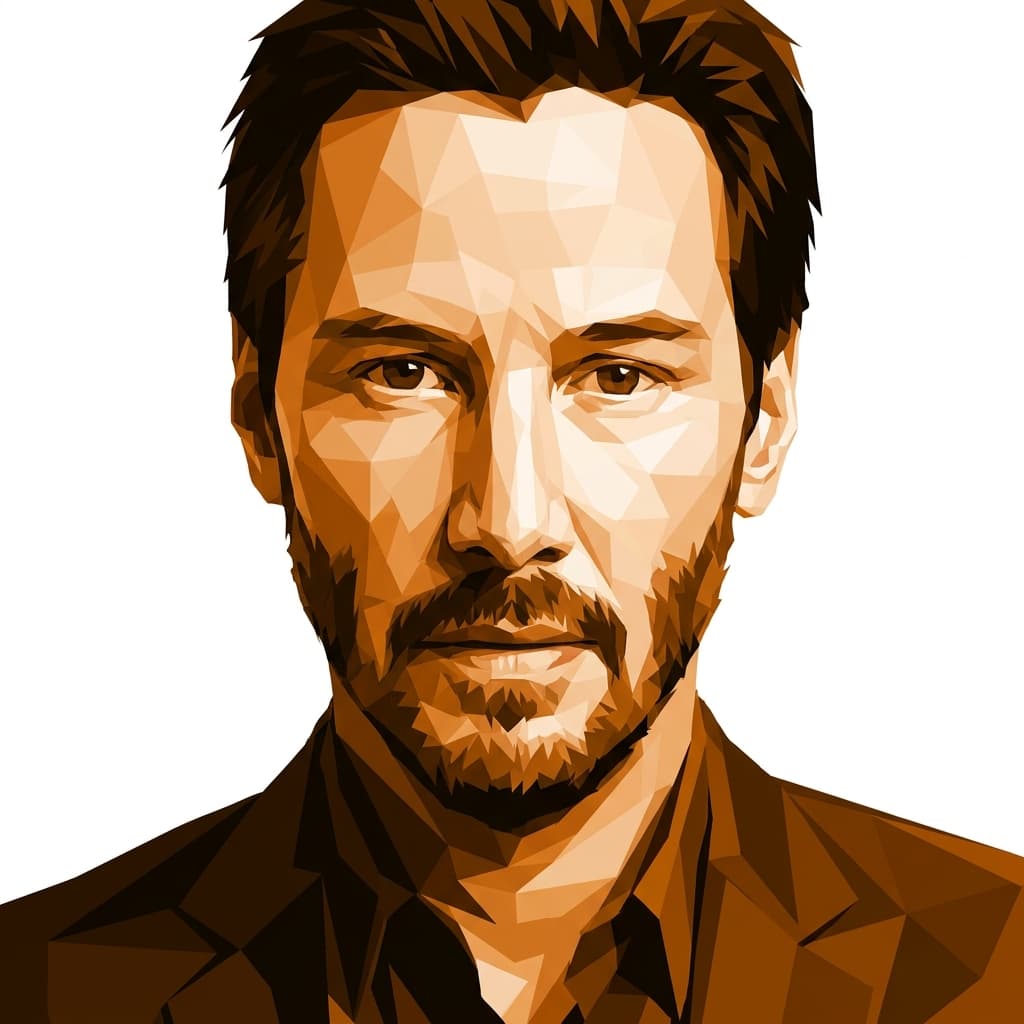
Canadian actor known for The Matrix and John Wick, and for an unusually private, generous life.
Design
- Q35.1
- h5.1
- R30.3
- g15.5
- i10.5
- S2.6
- T52.3
- U23.1
- V24.5
- W55.6
- X40.1
- Y1.3
- Z64.1
Personality
- Q40.5
- h37.5
- R53.2
- g15.2
- i10.2
- S40.5
- T62.4
- U62.2
- V8.2
- W55.1
- X40.5
- Y1.3
- Z64.3
Keanu Reeves is a Manifesting Generator — built for speed across multiple lanes, which is exactly the shape his career has taken. He plays bass in a rock band, writes graphic novels, runs a small motorcycle company that builds custom bikes by hand, and somewhere in the middle of all that, headlines two of the most influential action franchises in modern cinema. The throughline isn't a strategy; it's whatever happens to be lighting him up that month.
He was born in Beirut, shuttled through New York, Sydney, and Toronto as a kid, and dropped out of high school before chasing acting south. That early non-linearity reads like a life designed to course-correct on the fly — auditions, hockey, theater in Toronto, a station wagon down to Los Angeles when something finally pulled. His 5/1 profile, the practical investigator who becomes an authority by going deep, shows up in how seriously he prepares: months of jiu-jitsu, judo, and tactical shooting for John Wick; a year of wire training for The Matrix. He's not faking the work. He's building a real foundation before he steps out to lead.
The Matrix turned him into a global icon at exactly the moment he was losing his sister to leukemia and, later, his partner Jennifer Syme and their stillborn daughter. He responded by quietly donating tens of millions of his Matrix backend to the crew and to cancer research, never publicizing it, never accepting the press tour around generosity. There's a deep, private loyalty to the people in his orbit that's become almost mythological — stories of him giving up subway seats, buying ice cream just to sign the receipt for a fan, hanging back from set perks so crew could have them. He moves through fame without performing it.
The melancholy is real and so is the equanimity around it. Asked on Colbert what he thinks happens when we die, he answered, after a long pause: "The ones who love us will miss us." That's the kind of answer that arrives from somewhere settled, not the heated charge of a press junket. He's built a public persona out of letting the feeling land instead of dressing it up, and it's why audiences trust him even when the movies are uneven.
His creative output reflects a hunger for the full spectrum of experience — bass guitar in Dogstar, the BRZRKR comic, his ARCH Motorcycle company with Gard Hollinger, the directing detour on Man of Tai Chi, the surprise-hit John Wick run kickstarted in his fifties. He keeps starting new things long after most actors would consolidate. When he speaks publicly, which is rarely at length, the language is sparse and oddly precise: a few exact words instead of many vague ones.
What's unusual about Keanu Reeves isn't the stardom or the work ethic — those are common enough in his bracket. It's that after forty years inside Hollywood's projection machine, he's still recognizably himself. The 5/1 risk is letting other people's idealized version define you. He seems to have quietly refused.
Sources: biography · birth data
What do you and Keanu Reeves have in common?
Enter your birth details to find out