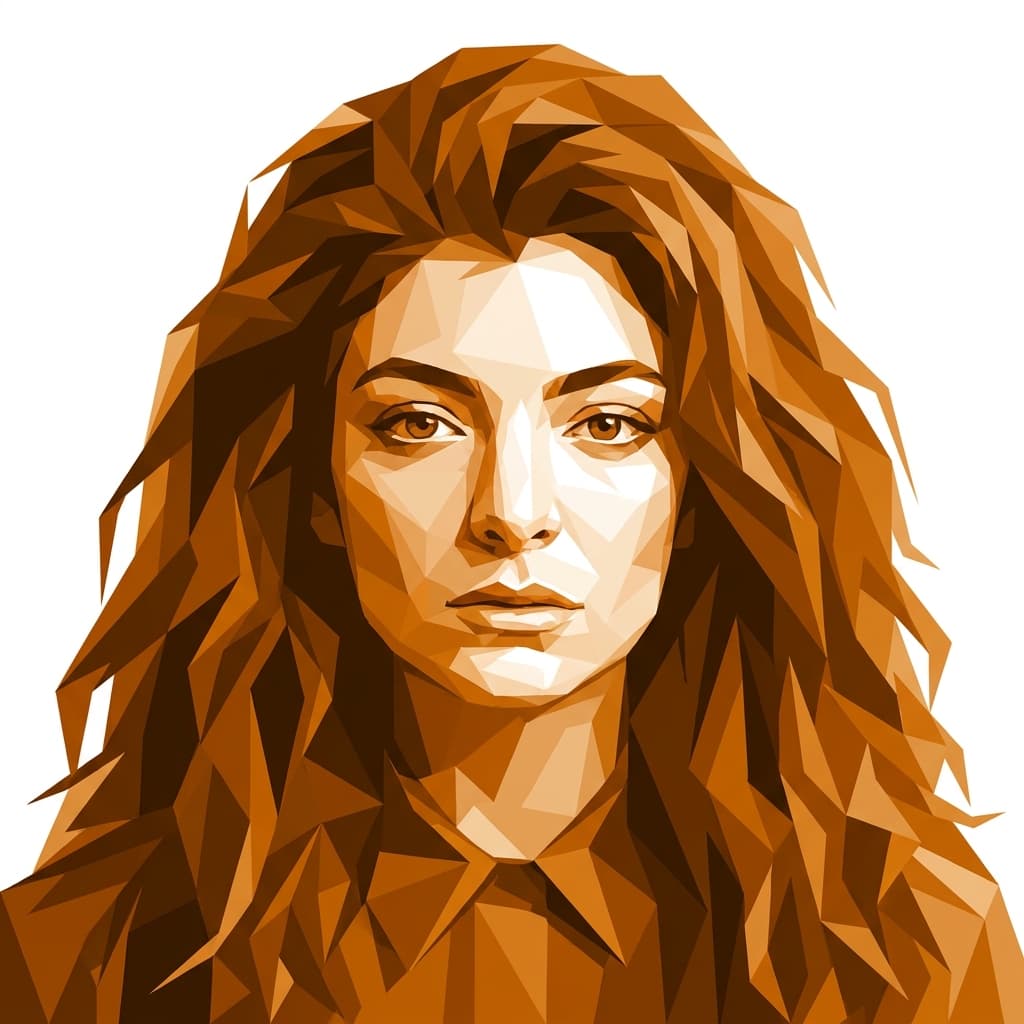
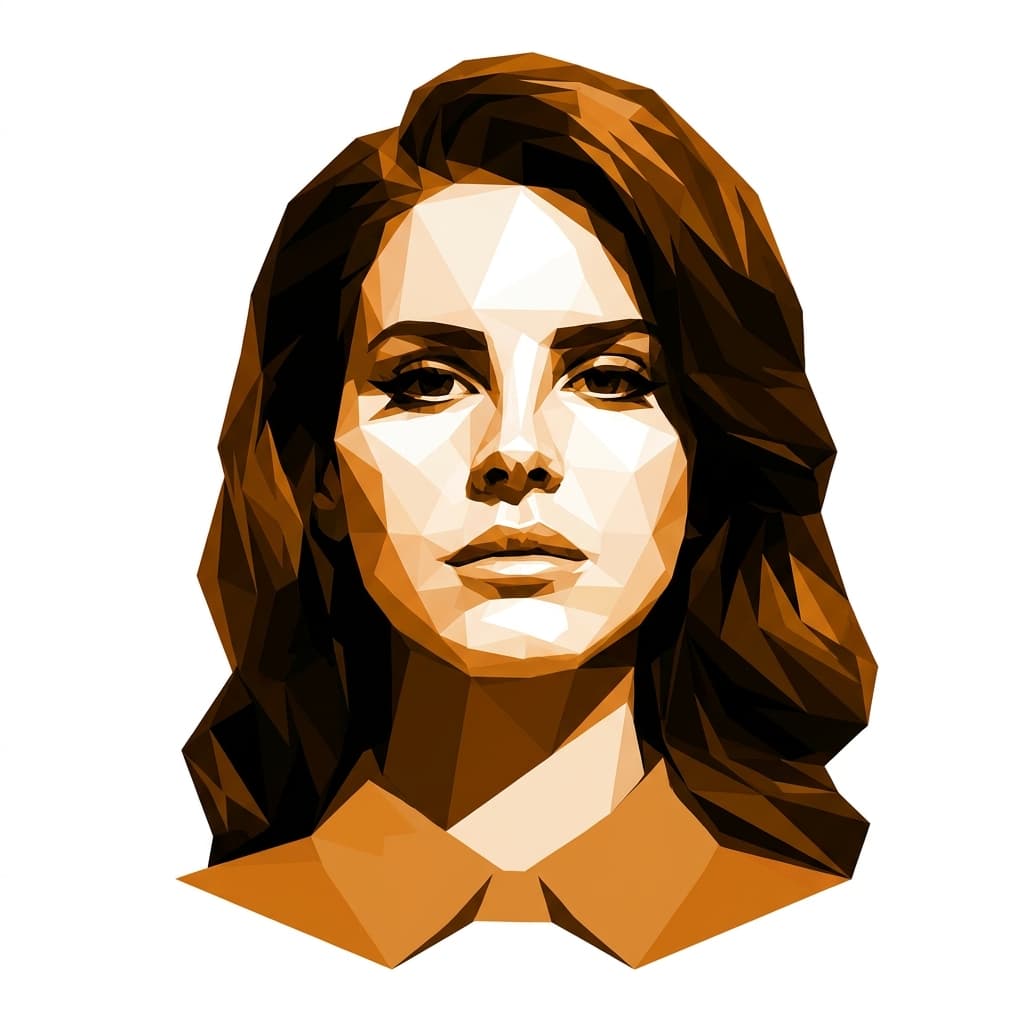
American singer-songwriter known for melancholic Americana, cinematic vocals, and a decade-defining reinvention of pop nostalgia.
Design
- Q25.5
- h46.5
- R51.5
- g23.1
- i43.1
- S51.4
- T51.6
- U27.4
- V19.2
- W14.4
- X26.2
- Y10.6
- Z28.3
Personality
- Q15.3
- h10.3
- R33.4
- g2.5
- i1.5
- S53.2
- T2.2
- U52.5
- V13.4
- W43.4
- X5.5
- Y10.5
- Z28.1
Lana Del Rey — born Elizabeth Grant — is a Manifesting Generator, wired to chase multiple obsessions at once and reinvent herself midstream, which is exactly the shape her career has taken. She released a country-inflected folk EP as Lizzy Grant in 2010, scrapped the whole persona, and re-emerged a year later with "Video Games" and a name that sounded like a lost starlet. The pivot wasn't calculated the way critics assumed; it was closer to the kind of gut-level course correction she's made repeatedly since — responding to what felt alive rather than sticking to a plan that no longer did.
That first wave came with a brutal SNL performance in 2012 and a critical pile-on that would have flattened most debut artists. She has a 3/5 profile, which meant the public "failure" wasn't a detour from her path but literally how she's wired to learn — through the messy experiment, in front of everyone. She kept releasing records anyway: Born to Die, Ultraviolence, Honeymoon, Lust for Life. By the time Norman Fucking Rockwell! arrived in 2019 and got called a masterpiece by the same publications that had written her off, she'd already lived out wisdom built from being underestimated — the artist who'd become a generational voice precisely because she kept going through the thing.
Her songs are archives. She writes like someone who collects other people's stories and holds them, stitching lovers, Laurel Canyon ghosts, dead poets, and her own family into narrators who blur into each other. She'll retreat for months — no interviews, no social media, then a poetry book, a spoken-word album with Jack Antonoff, a surprise Instagram Live. That rhythm of vanishing and returning is how the material gets processed before it becomes a record; the withdrawal isn't avoidance but the actual work.
Vocally and lyrically she operates on a directness that reads as almost too plain — "I've got a war in my mind," "hope is a dangerous thing for a woman like me to have" — lines that sound obvious until you notice no one else was writing them. She's got the persuasive instinct of someone who understands atmosphere as product, from the flower crowns and Chateau Marmont imagery of the early years to the Waffle House apron phase, each aesthetic era arriving fully realized. And she's stayed committed to a version of herself that isn't for everyone, refusing to update her politics, her romanticism, or her sound to match whatever the discourse wants from her that week.
The shocks she's absorbed publicly — the Question for the Culture post, the mesh-mask controversy, the long stretches of being every music writer's punching bag — she's met with a strange, intact openness, the thing that lets her keep writing love songs about America after America has curdled. There's a willingness to say the unfashionable thing baked into her whole project. What looked at first like performance turned out to be an original voice that took a decade to be recognized as one — the country's saddest, most stubborn pop star, still writing.
Sources: biography · birth data
What do you and Lana Del Rey have in common?
Enter your birth details to find out