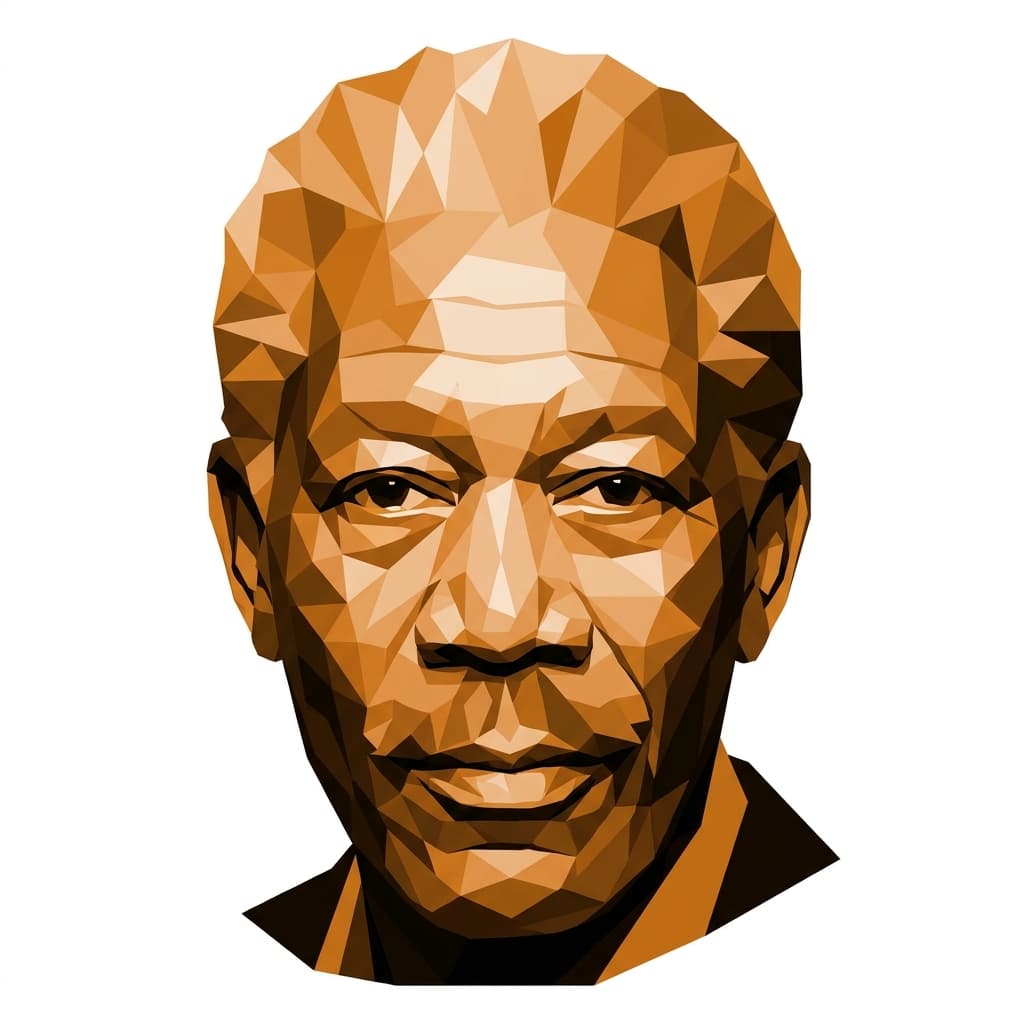
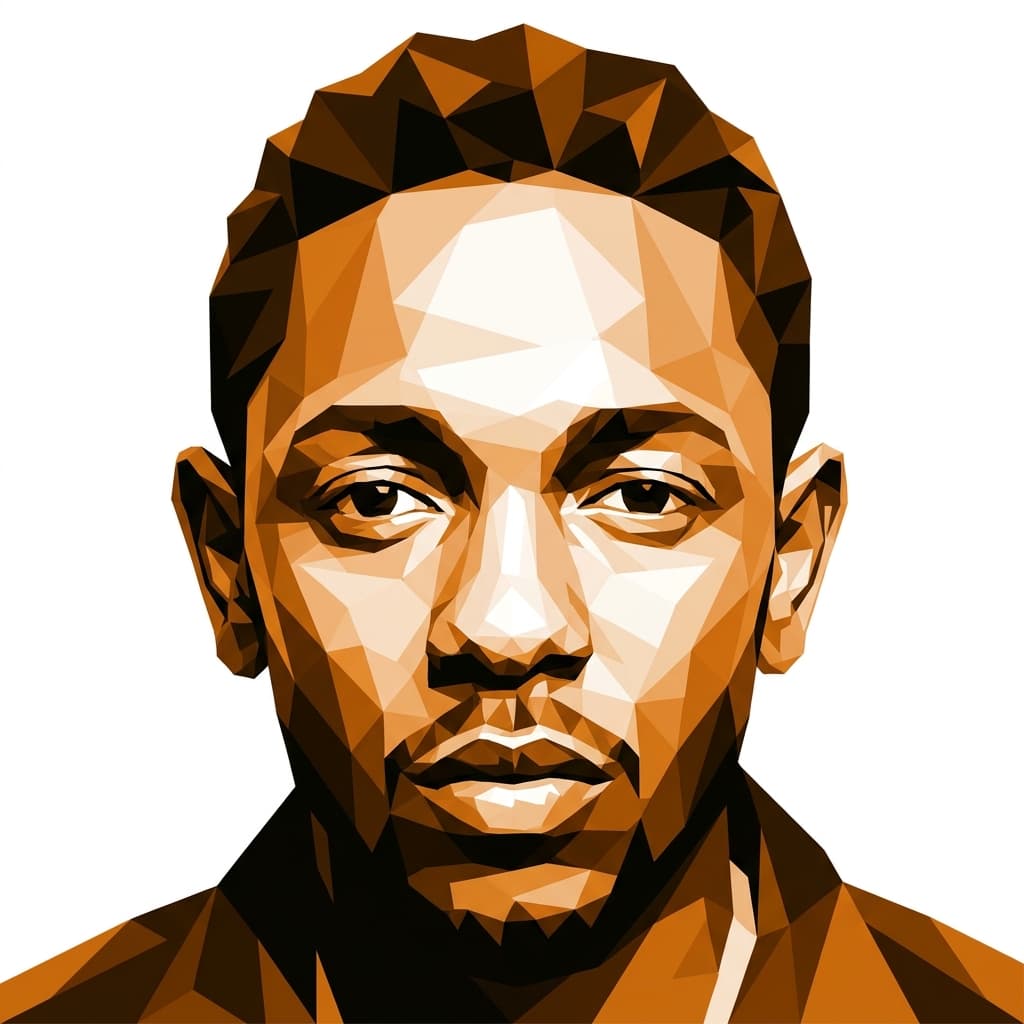
Pulitzer-winning rapper from Compton whose albums map Black American consciousness through unflinching storytelling.
Design
- Q36.6
- h6.6
- R1.2
- g21.3
- i48.3
- S55.2
- T13.6
- U2.6
- V17.1
- W26.5
- X11.5
- Y58.5
- Z44.3
Personality
- Q12.4
- h11.4
- R22.3
- g17.5
- i18.5
- S53.2
- T16.3
- U53.4
- V42.4
- W26.1
- X11.3
- Y58.4
- Z28.6
Kendrick Lamar is a Manifesting Generator — built to chase multiple obsessions at once and skip the steps that don't matter — and his discography reads exactly that way. good kid, m.A.A.d city is a coming-of-age film. To Pimp a Butterfly is a jazz suite. DAMN. is a Bible study folded inside a trap album. Mr. Morale & The Big Steppers is therapy played out in public. He doesn't pick a lane; he builds a new one each cycle and then refuses to repeat himself.
The Compton he grew up in is everywhere in the work, but he didn't rush to tell its story. He spent years as K.Dot, releasing mixtapes, watching, listening to everyone's story before offering his own. When he finally signed to Top Dawg and dropped Section.80, the voice that emerged was already finished — patient, watchful, ready. That's the 4/6 profile at work: a long experimental first act feeding into a second act where he becomes the role model his community didn't know it was waiting for. By good kid, he was the conscience of a city; by Butterfly, the conscience of a generation.
His decision-making operates on a slow internal clock. He goes years between albums. He's notoriously private, gives sparse interviews, and lets songs sit until they're ready. That's Emotional authority — the refusal to ship from a feeling-state, the willingness to sleep on something until the wave settles. The Drake feud in 2024 was the rare moment he moved fast, but even there, Not Like Us was clearly the product of knowing exactly when to speak and when silence does more damage. He'd been holding that bullet for years.
The texture of his music is built on tensions he can't fully resolve. There's the relentless drive to call out what's broken — in himself, in the culture, in the country, and right beside it an enthusiasm for making it better that won't quit. Butterfly alone wrestles with depression, survivor's guilt, fame, and Black self-love through a diving-into-emotional-crisis-and-coming-back-with-wisdom lens that no rapper before him had quite tried at that scale. He absorbs patterns from history and refuses to let them repeat — the through-line from Alright to The Heart Part 5 is a man treating American racial memory as something to be metabolized in real time.
He's a technician obsessed with mastery, drilling the same skill until it becomes the body, which is why his flows mutate from verse to verse and his breath control reads like a discipline. He's also a vessel for original creative expression that arrives in waves and demands an outlet — the reason he disappears for years and returns with something nobody asked for and everybody needed. The Pulitzer in 2018 made the institutional reading official, but the work was always going to outlive the prizes. He waited to respond, trusted the gut when something showed up, and built one of the most disciplined catalogs in popular music by refusing to make anything before it was ready.
Sources: biography · birth data
What do you and Kendrick Lamar have in common?
Enter your birth details to find out