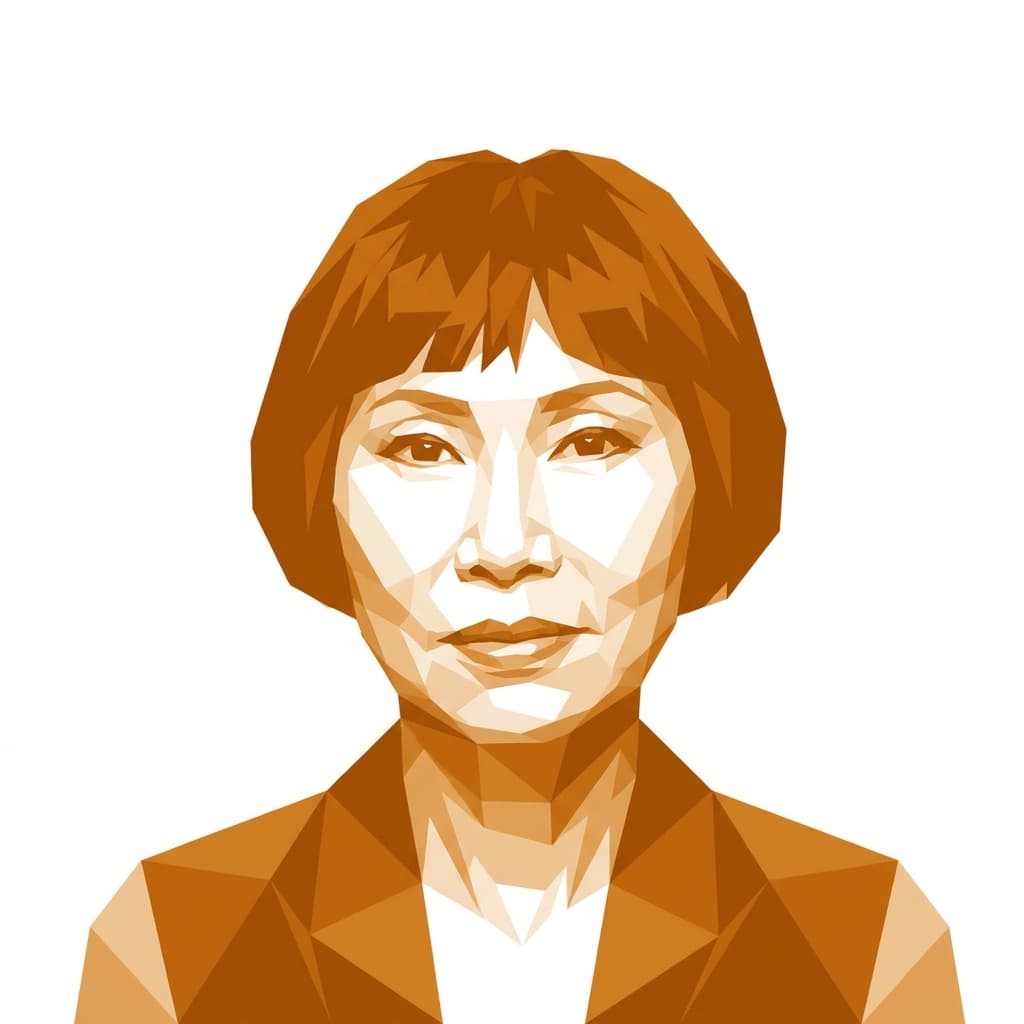
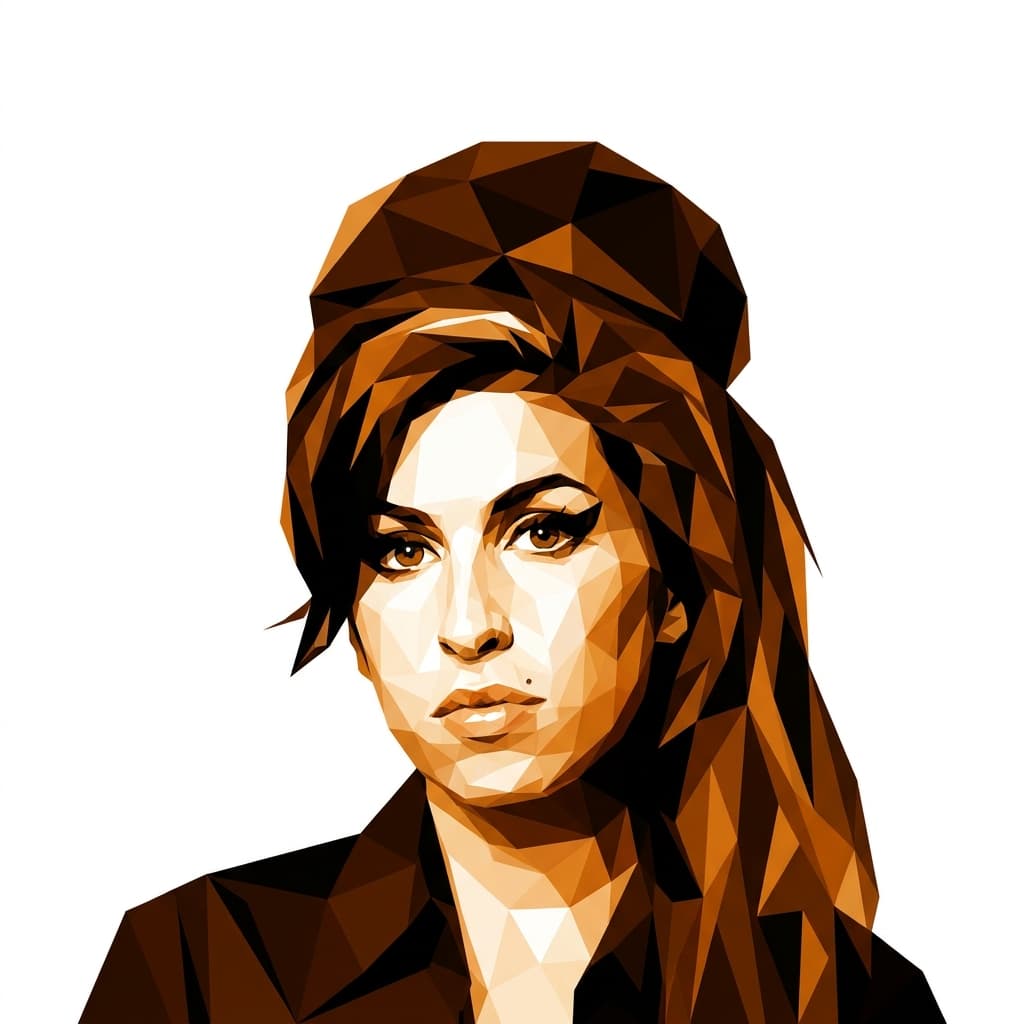
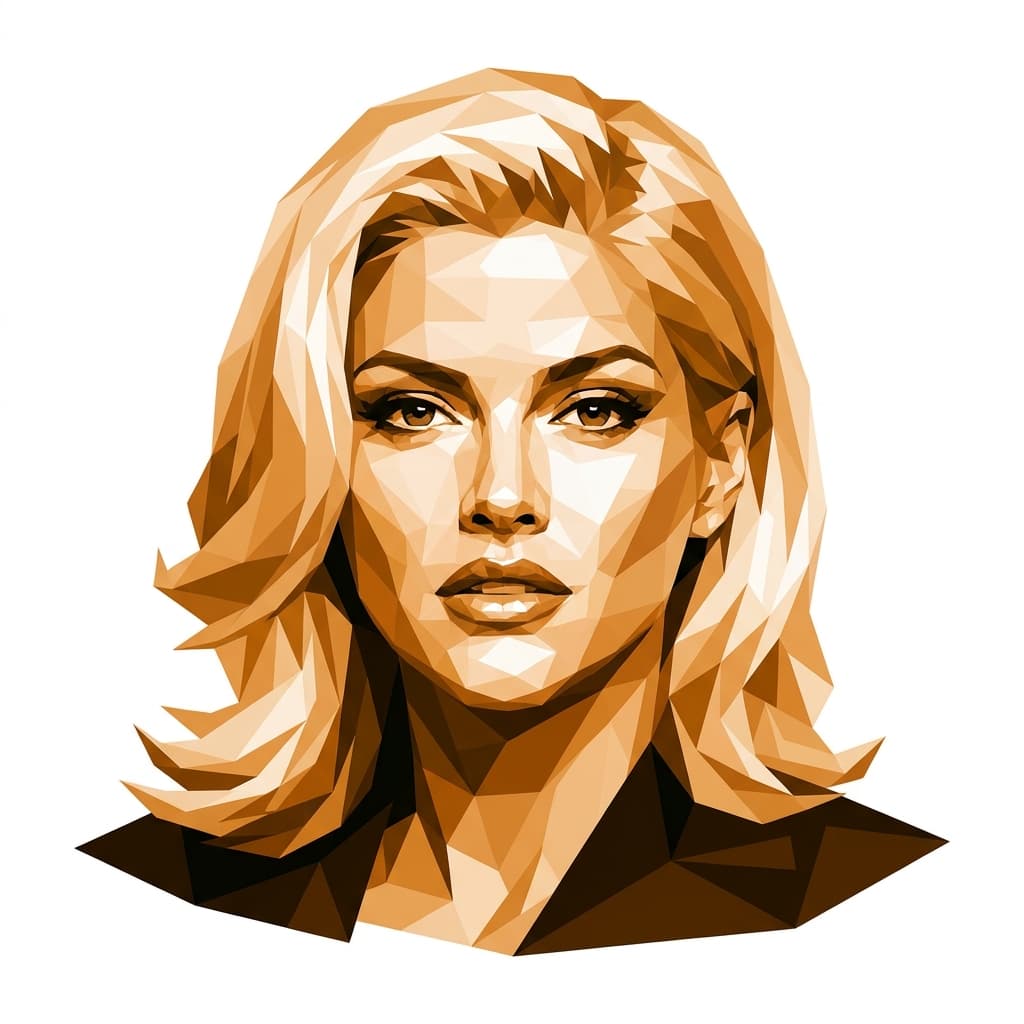
New Zealand singer-songwriter behind Pure Heroine, Melodrama, and Solar Power — pop's patient outsider.
Design
- Q7.4
- h13.4
- R45.3
- g48.1
- i21.1
- S40.6
- T15.4
- U39.1
- V58.6
- W17.4
- X41.1
- Y61.6
- Z34.1
Personality
- Q1.2
- h2.2
- R6.2
- g18.4
- i17.4
- S1.5
- T48.1
- U59.5
- V38.5
- W25.4
- X60.5
- Y61.5
- Z34.3
Ella Yelich-O'Connor — Lorde — is a Manifesting Generator, wired to move fast on a few obsessions at once and then vanish before anyone can pin her down. That pattern is the shape of her whole career: a fourteen-year-old signed to Universal after a talent-show video circulated, a sixteen-year-old with "Royals" on top of the Billboard Hot 100, and then long, deliberate silences while everyone else in her cohort released on schedule.
Her 2/4 profile — the hermit who nonetheless needs her people — reads almost too literally in her life. She writes from her parents' house in the Auckland suburbs, disappears from social media for years, and reappears through the same tight network: co-writer Joel Little, then Jack Antonoff, a small circle of friends whose taste she trusts. Her opportunities have always come through relationships, not hustle, and her natural gift is the kind of talent she seems to underrate because it comes so easily — the ability to hear a demo and know exactly what's missing.
"Royals" itself is a Gate 18 song in the purest sense: a teenager cataloguing everything pop music was doing wrong — the Cristal, the Maybachs, the gold teeth — and proposing, with unnerving calm, a corrected version. That critical ear runs through her catalogue, but it's fused with a warmer instinct, a magnetism for other people's confessions that turned Melodrama into a group portrait of a house party as much as a breakup album. She writes like someone who has been listening to her friends for years.
The gap between Pure Heroine and Melodrama was three years; between Melodrama and Solar Power, four. She has spoken openly about needing the time — trips to Antarctica, long walks, decisions she wouldn't make until they'd cooled off completely. Solar Power was famously polarizing, and her response was characteristic: no defensive tour cycle, no reactive next album, just a newsletter about onions and a slow retreat to write Virgin on her own timeline. This is a wait-to-respond artist in an industry that punishes waiting.
You can hear the restless dreamer in the way each album resets the palette — the minimalist synths of Pure Heroine, the maximalist piano of Melodrama, the acoustic sunlight of Solar Power, the exposed rawness of Virgin — and the love of extremes in how completely she commits to each version. She isn't building a consistent brand; she's chasing the next feeling. Her lyrics keep circling an almost stubborn openheartedness, a willingness to be embarrassing on the page about crushes, bodies, grief, God.
What makes her unusual in her generation of pop stars isn't the voice or the writing, though both are singular. It's the refusal to perform availability. She tours when she wants to, speaks when she has something to say, and has quietly become a voice her peers actually listen to — Taylor Swift, Billie Eilish, Charli XCX have all cited her — precisely because she never asked for the role. Recognition came looking for her, which is exactly the way her chart says it was always going to work.
Sources: biography · birth data

What do you and Lorde have in common?
Enter your birth details to find out